



Technical Notes
Home / Notes

Technical Notes

These technical notes explain common plant issues, operating principles and maintenance priorities. They are written for engineers, facilities teams and buyers who need practical answers.

Steam Vs Hot Water

Steam Vs Hot Water

A practical comparison of steam and hot water systems for industrial and commercial duty.

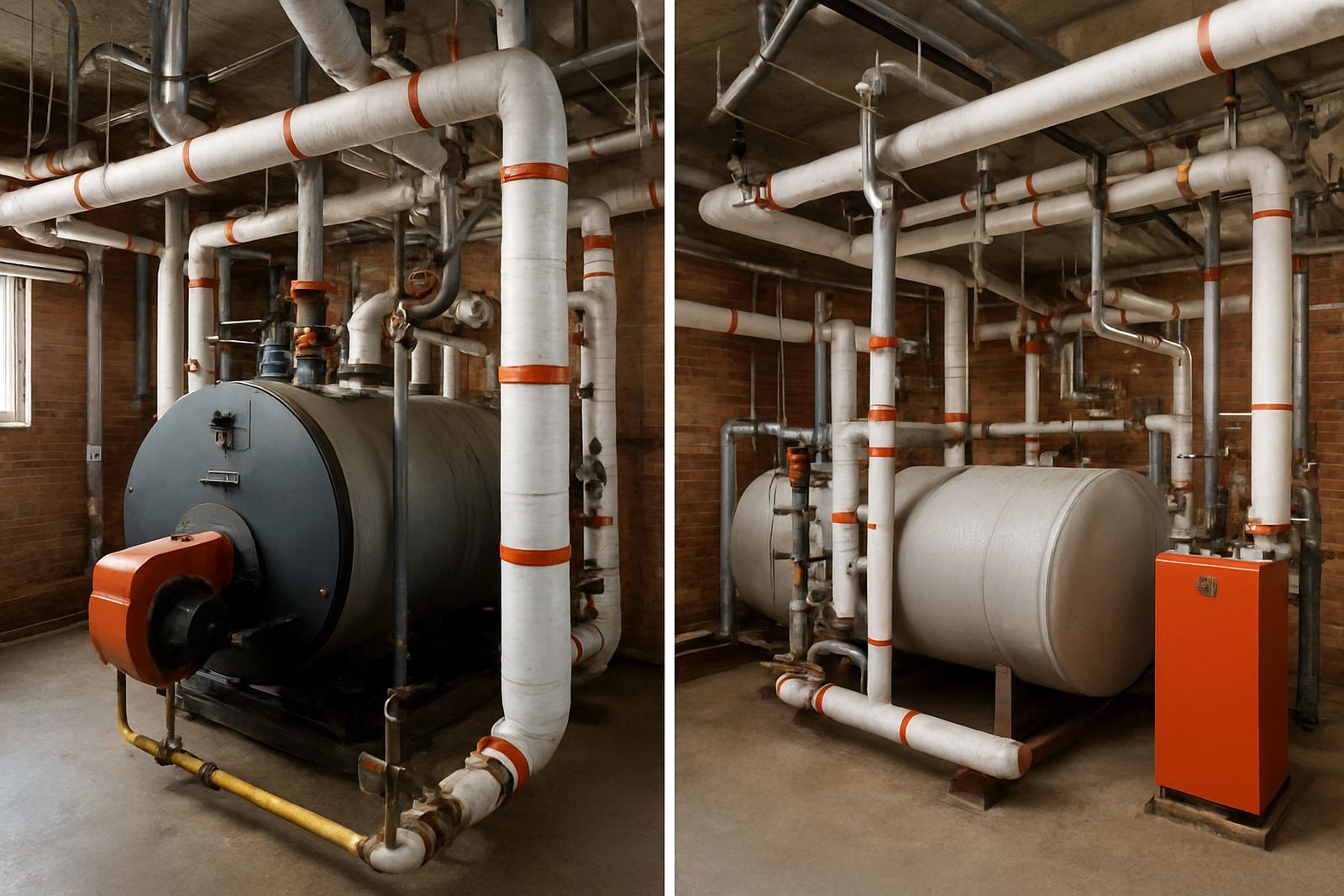
Boiler Room Layout

Boiler Room Layout

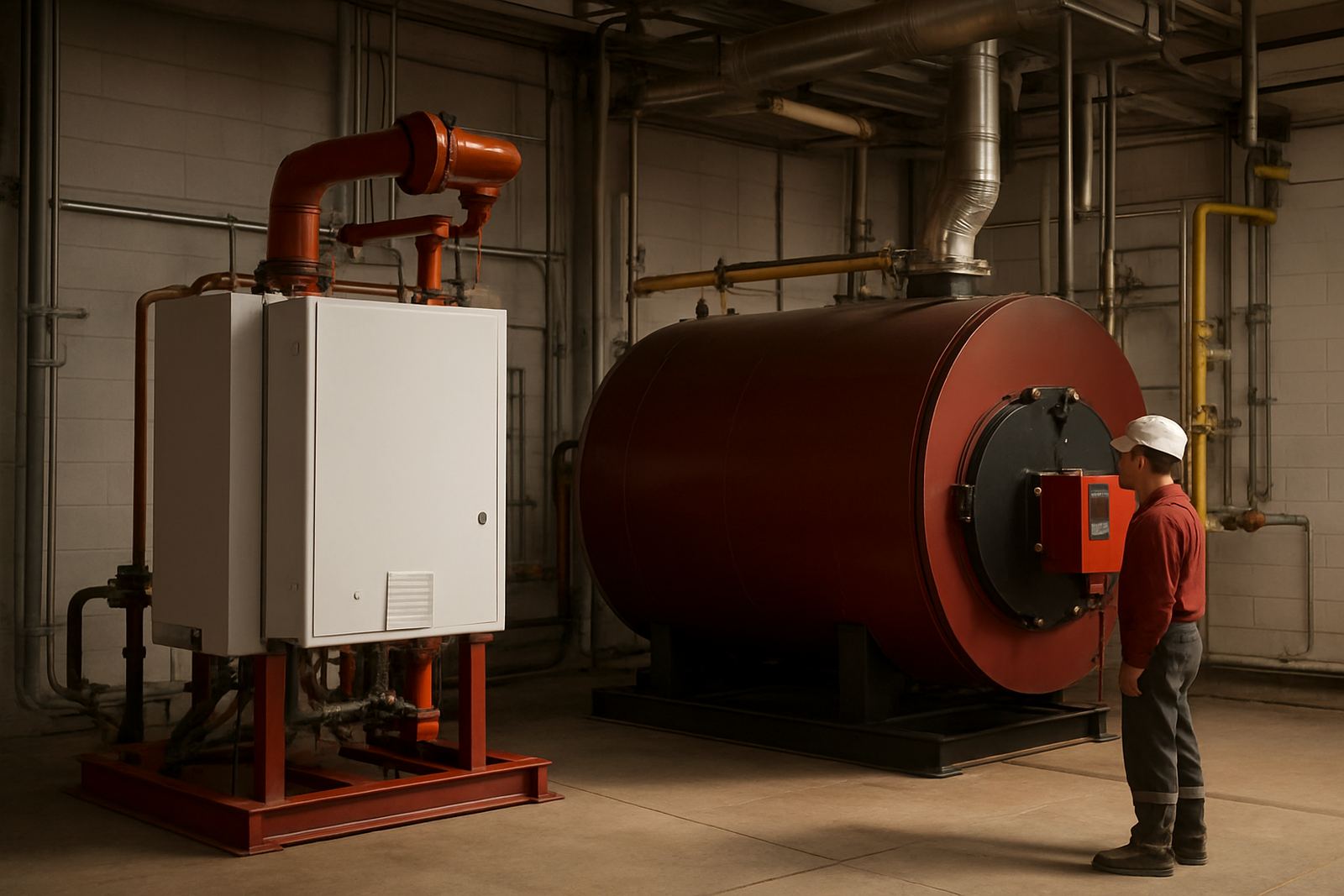
Key spacing, service access and safety considerations in a workable boiler room.

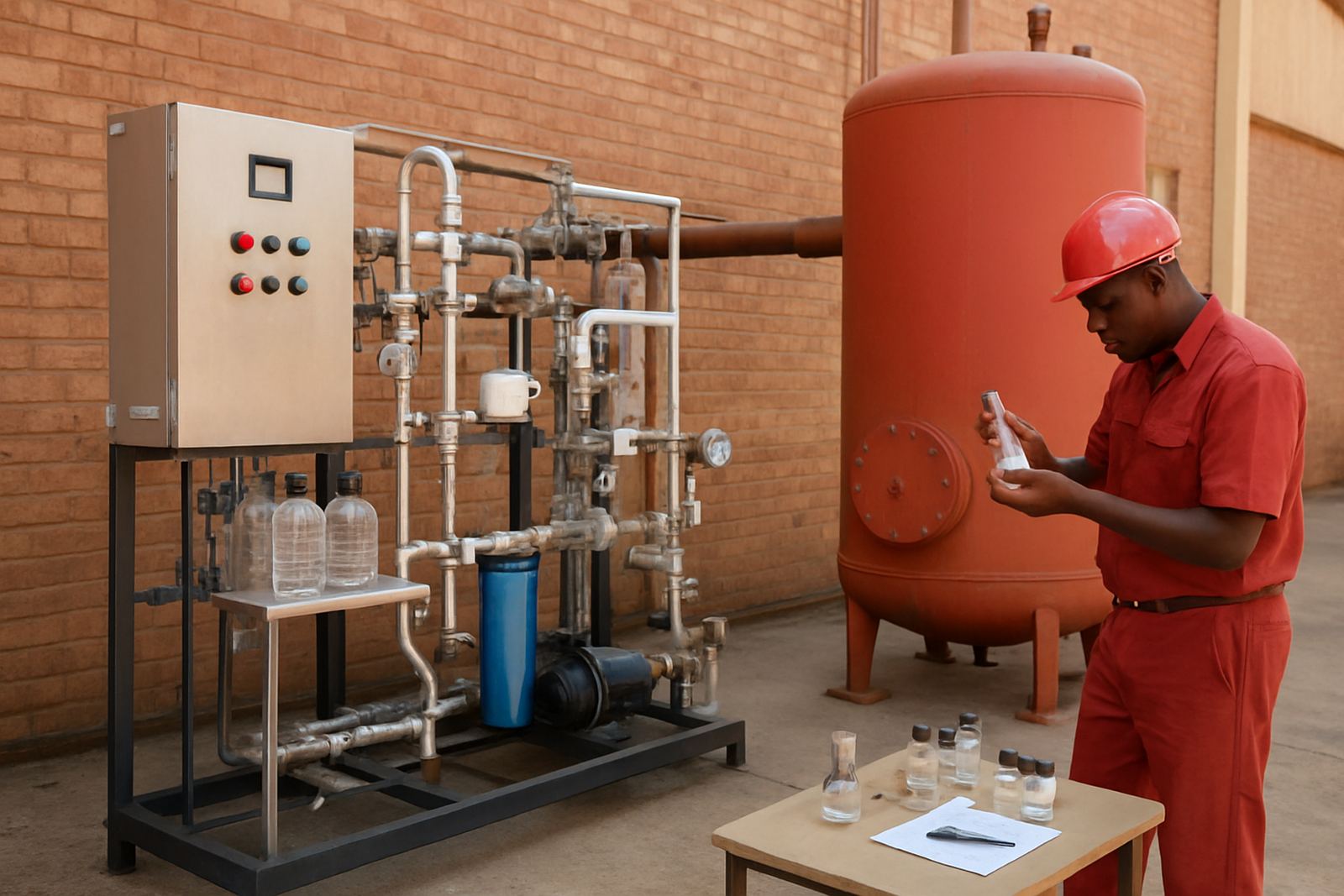
Feedwater Quality Basics

Feedwater Quality Basics

Why feedwater quality matters for efficiency, reliability and internal plant condition.

Condensate Return Benefits

Condensate Return Benefits

How condensate recovery saves energy, water and treatment cost on steam sites.

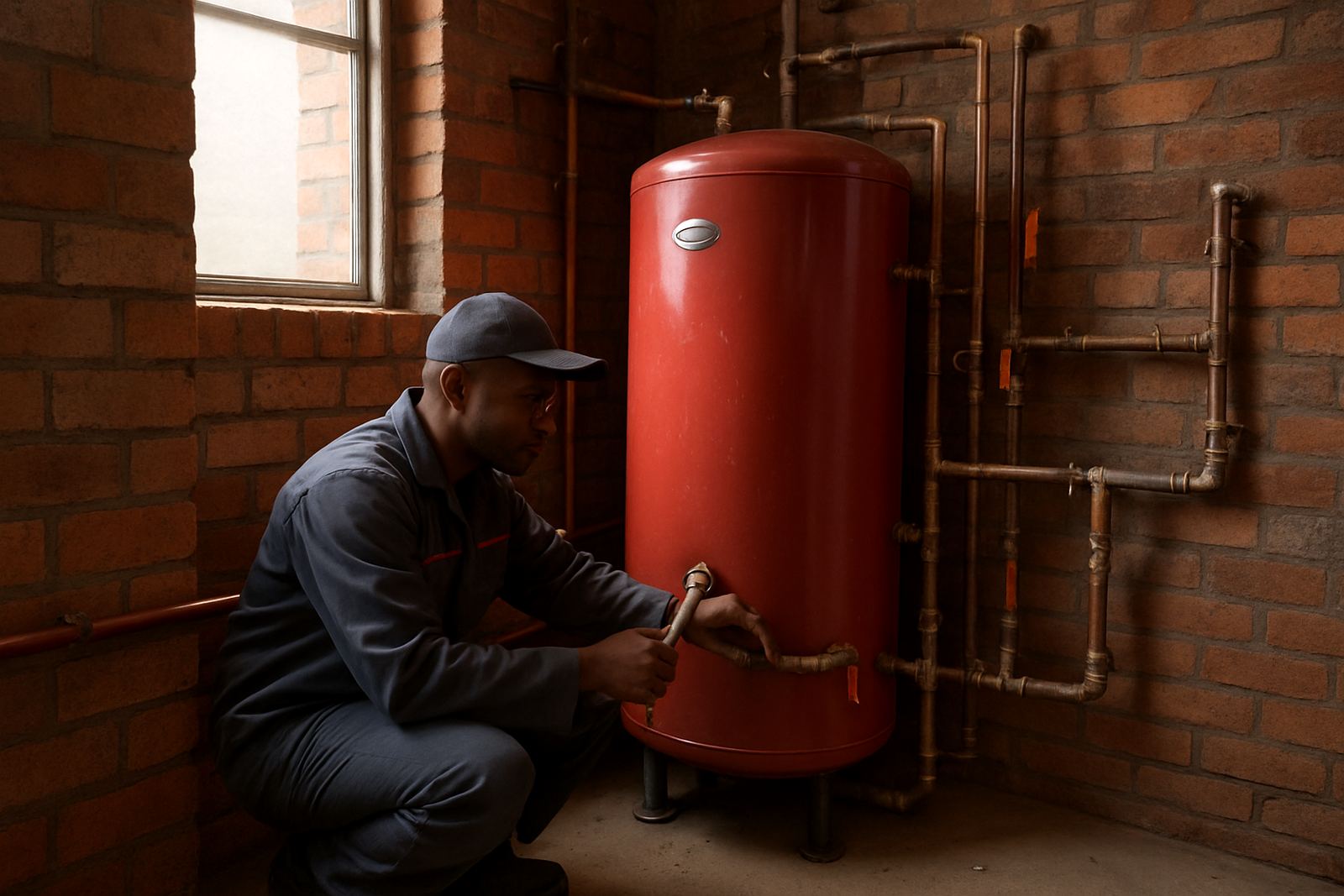
Scaling In Calorifiers

Scaling In Calorifiers

Common causes of scale build-up and the impact on recovery and operating cost.

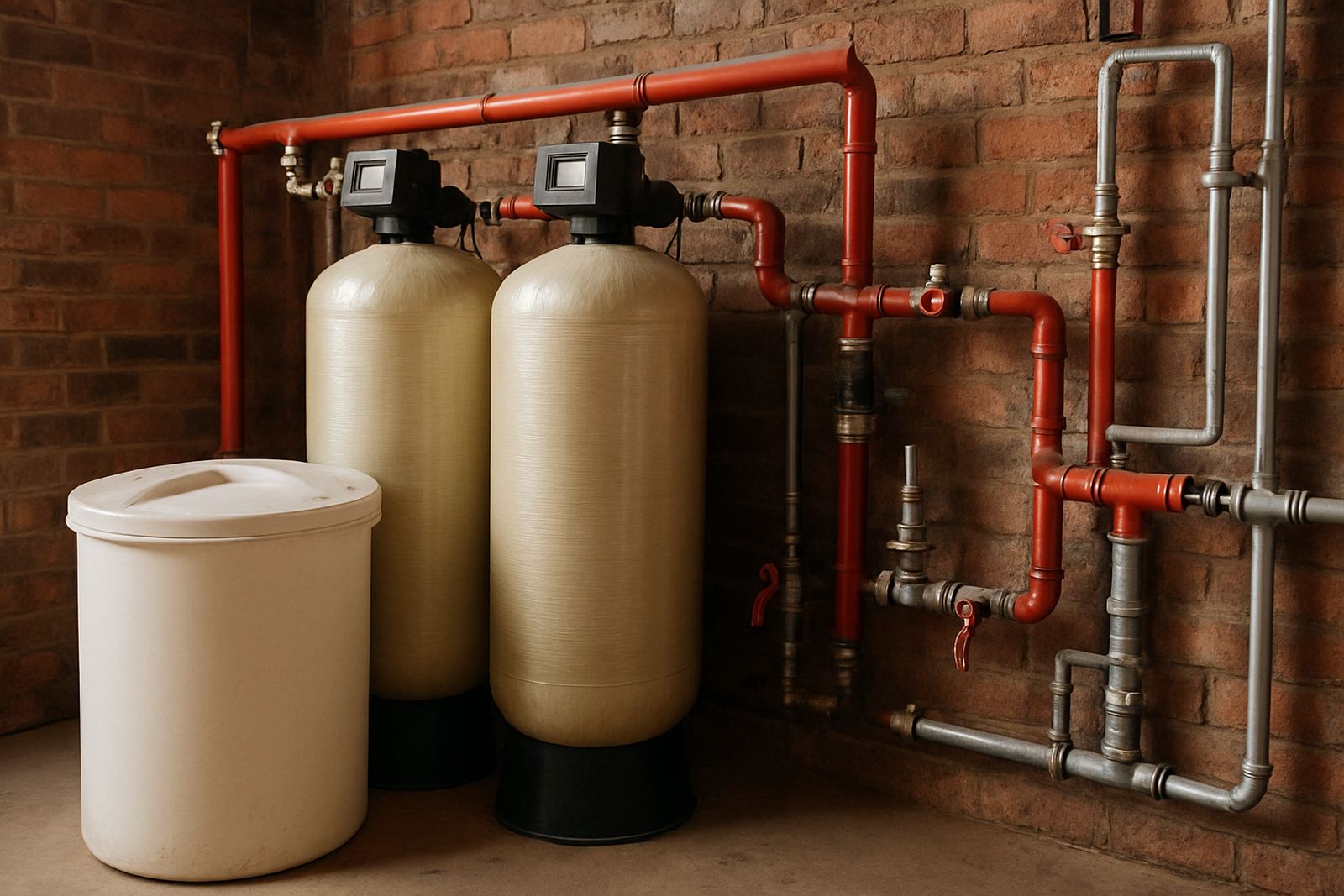
Softeners For Boilers

Softeners For Boilers

When a water softener is needed and what it protects in a boiler plant.

Economiser Payback

Economiser Payback

Where flue heat recovery makes sense and what affects project payback.

Why Boilers Short Cycle

Why Boilers Short Cycle

Short cycling causes, consequences and typical correction measures in packaged boiler systems.

Burner Air Fuel Balance

Burner Air Fuel Balance

Understanding combustion balance and its role in safe efficient boiler firing.

Steam Trap Purpose

Steam Trap Purpose

How steam traps work and why failed traps waste energy and disrupt heating.

Calorifier Recovery Time

Calorifier Recovery Time

What determines calorifier recovery and how storage and primary heat affect output.

Inline Heater Controls

Inline Heater Controls

The sensors and safeties that keep inline heaters stable and manageable.

Incinerator Temperatures

Incinerator Temperatures

Why chamber temperature control is central to reliable waste destruction.

Refractory Crack Signs

Refractory Crack Signs

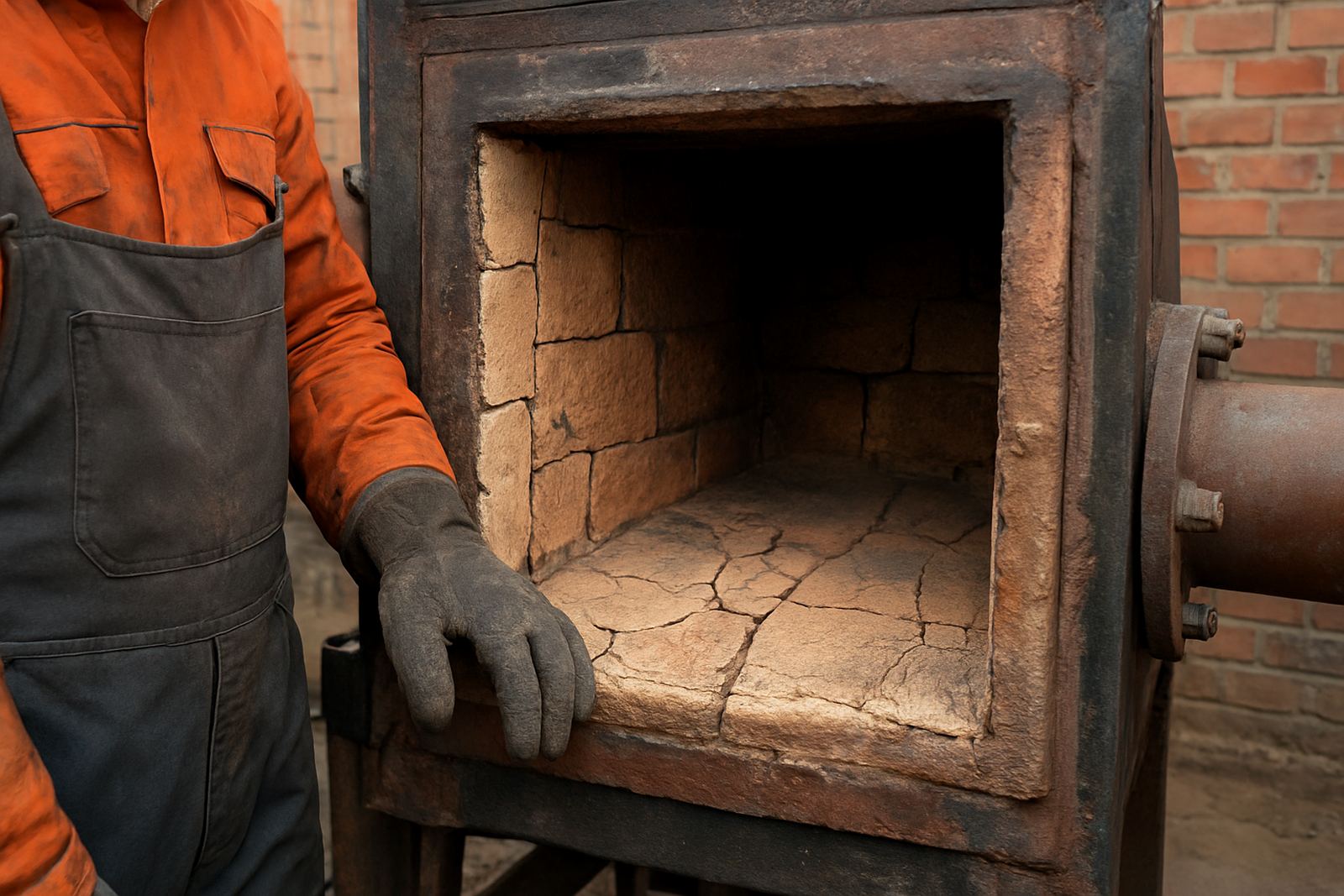
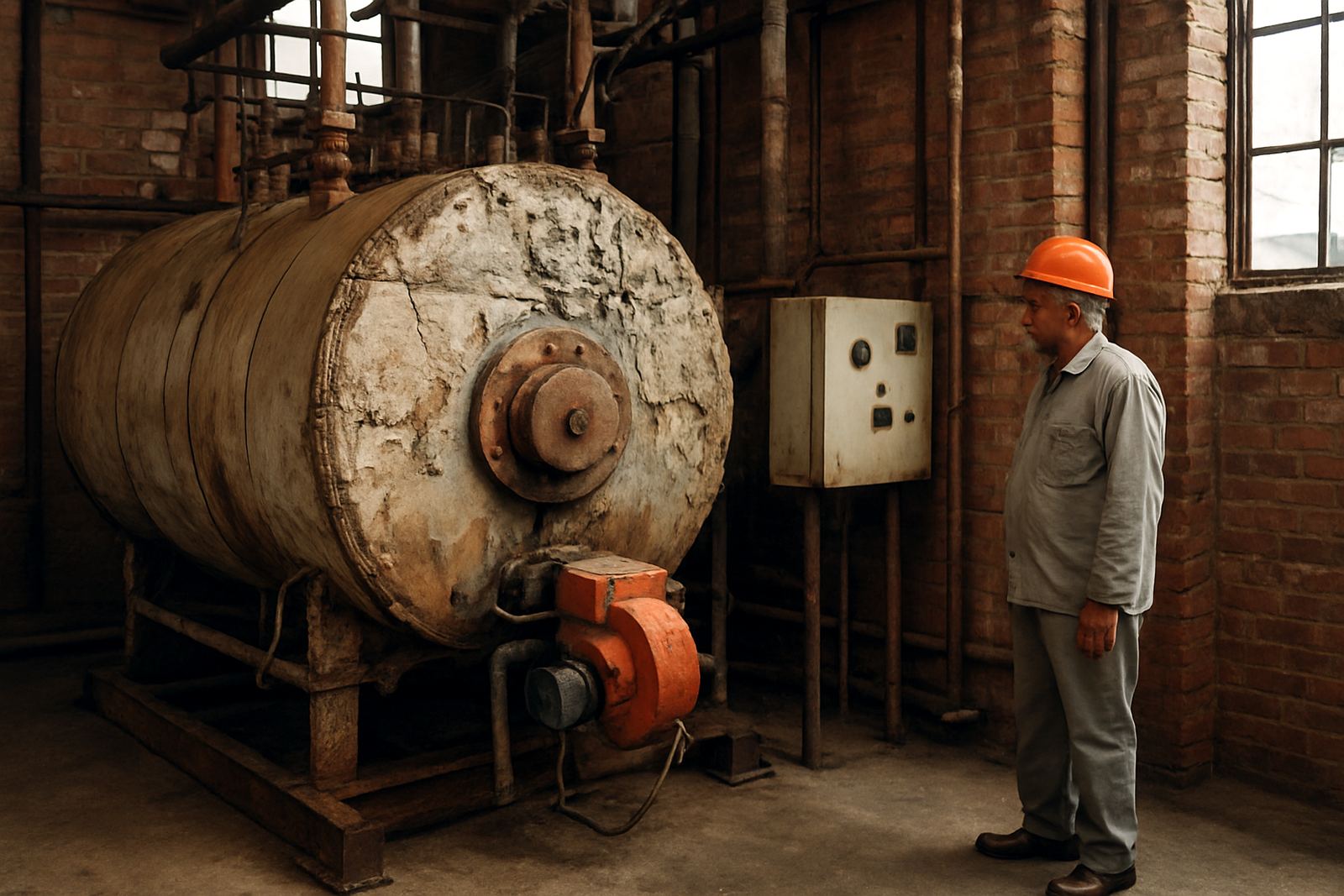
Visible warning signs that indicate refractory wear, movement or thermal shock.

Deaeration Explained

Deaeration Explained

A simple explanation of dissolved gases and why deaeration supports boiler life.

Blowdown Good Practice

Blowdown Good Practice

What blowdown achieves and how poor practice wastes heat and water.

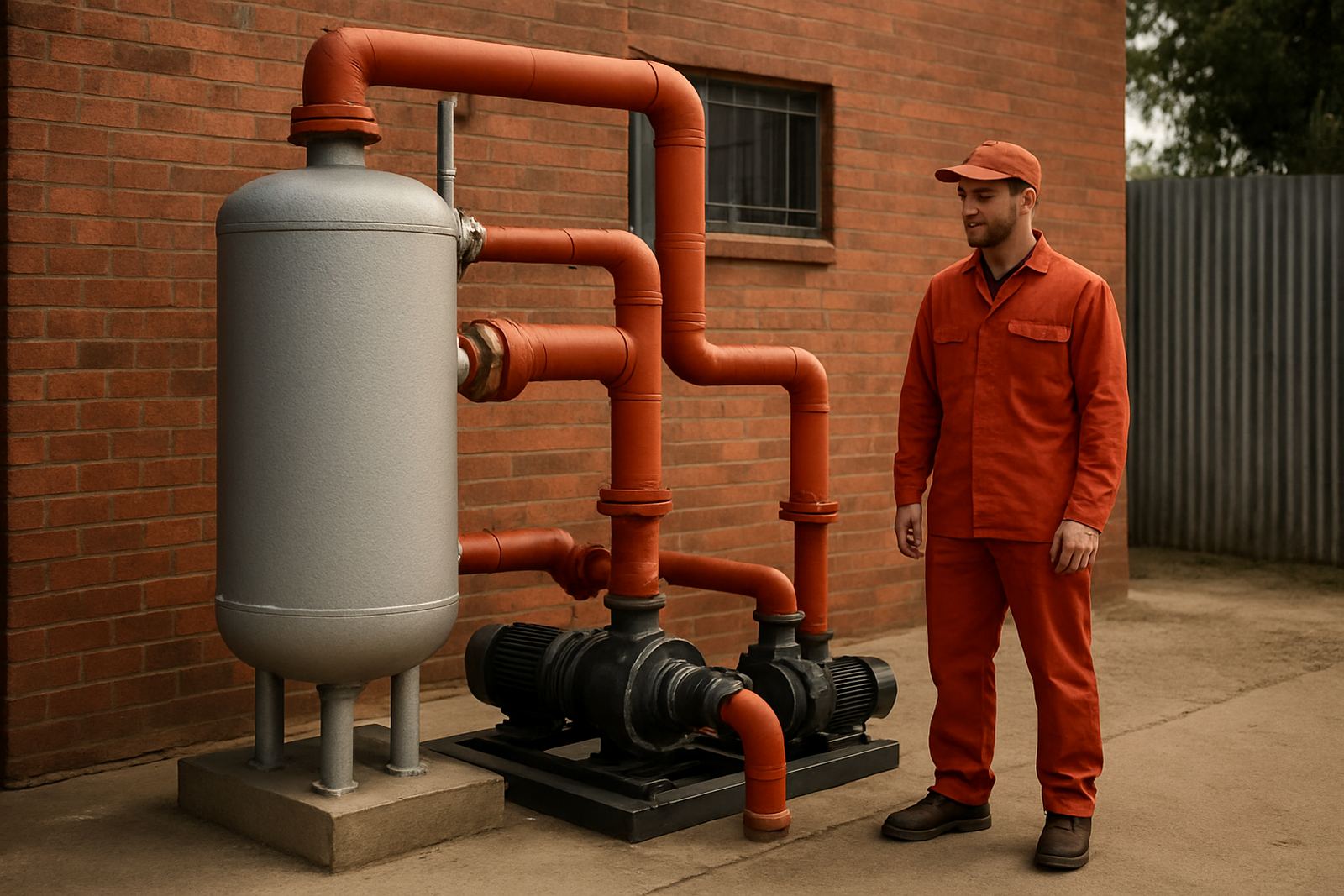
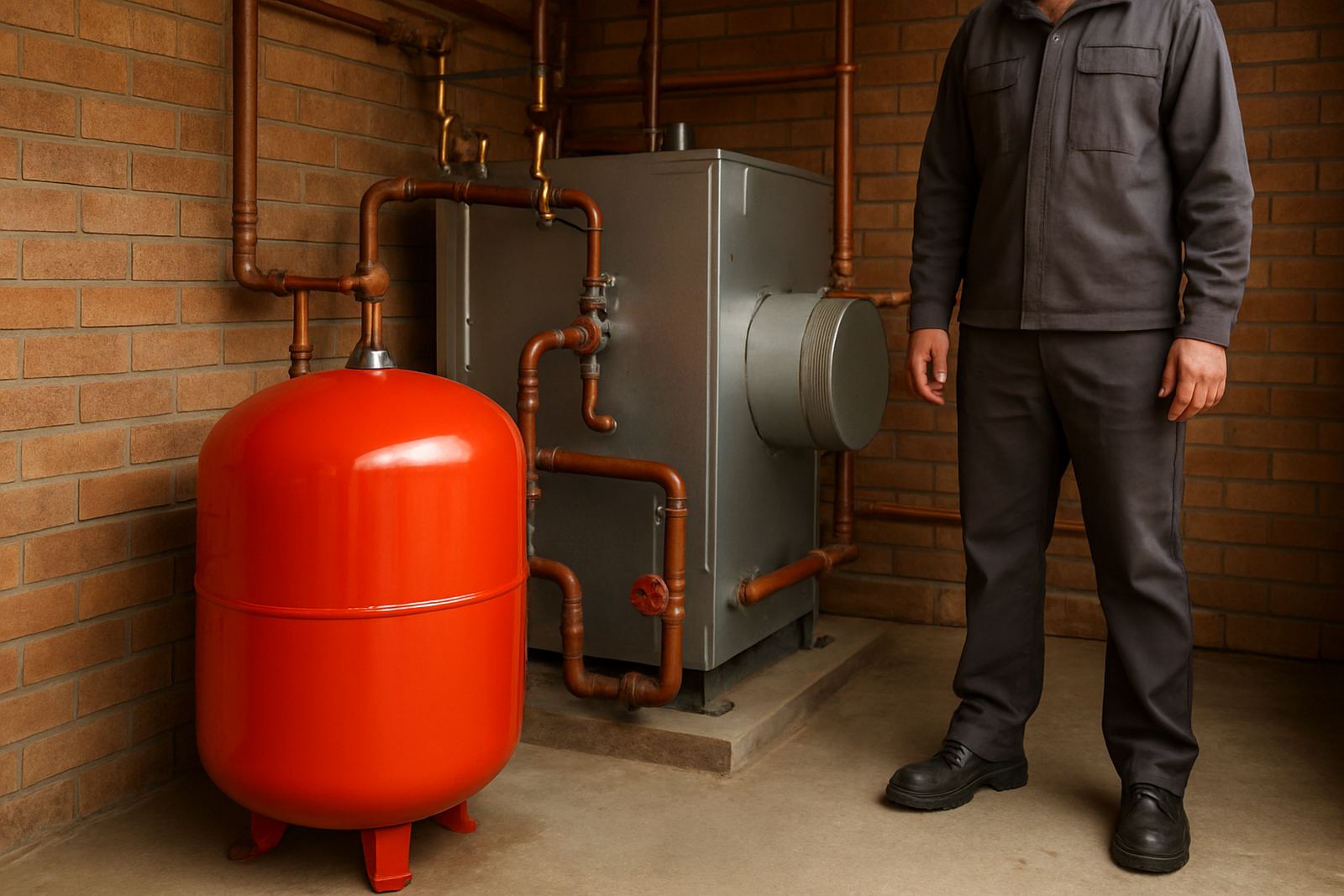
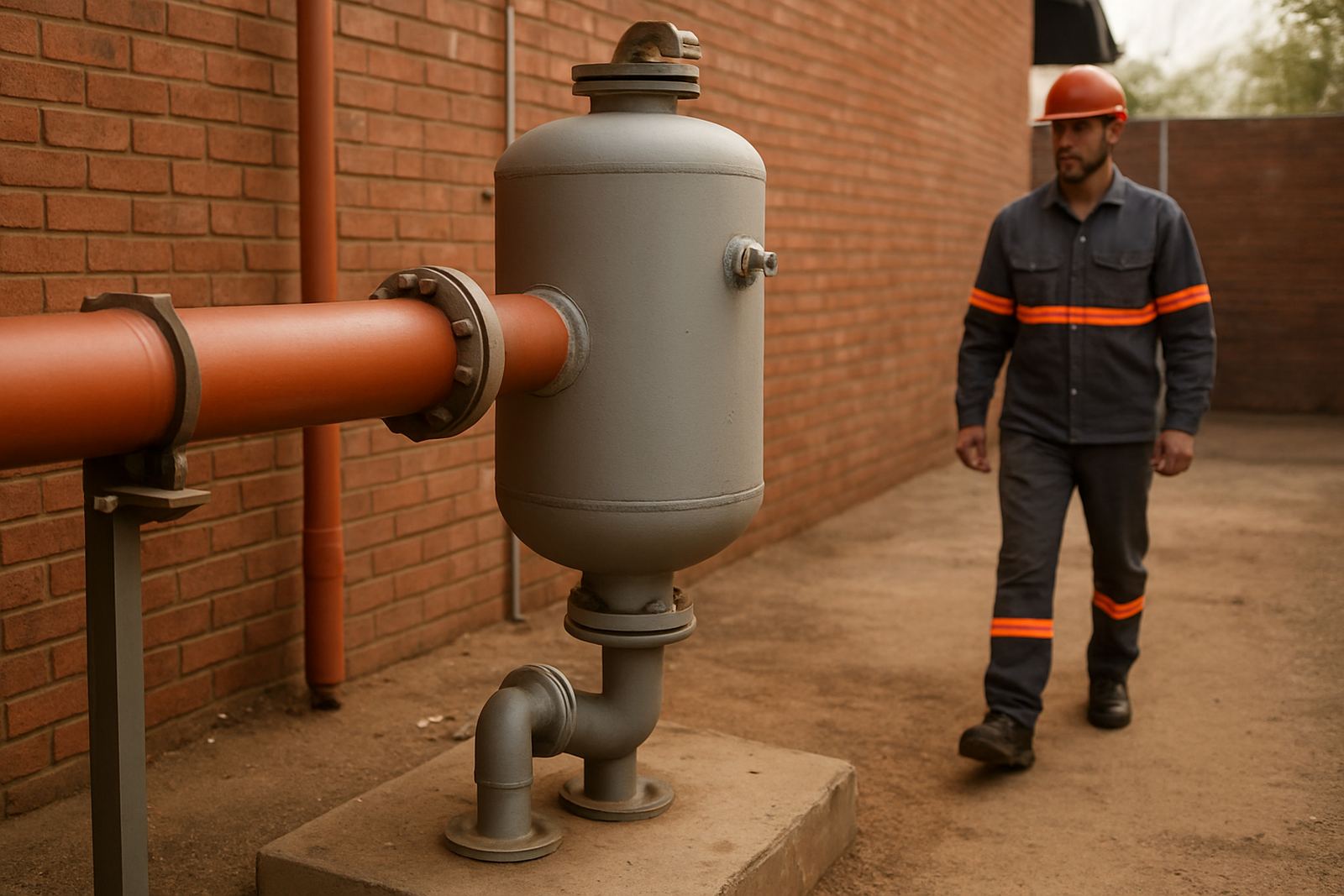
Expansion Vessel Role

Expansion Vessel Role

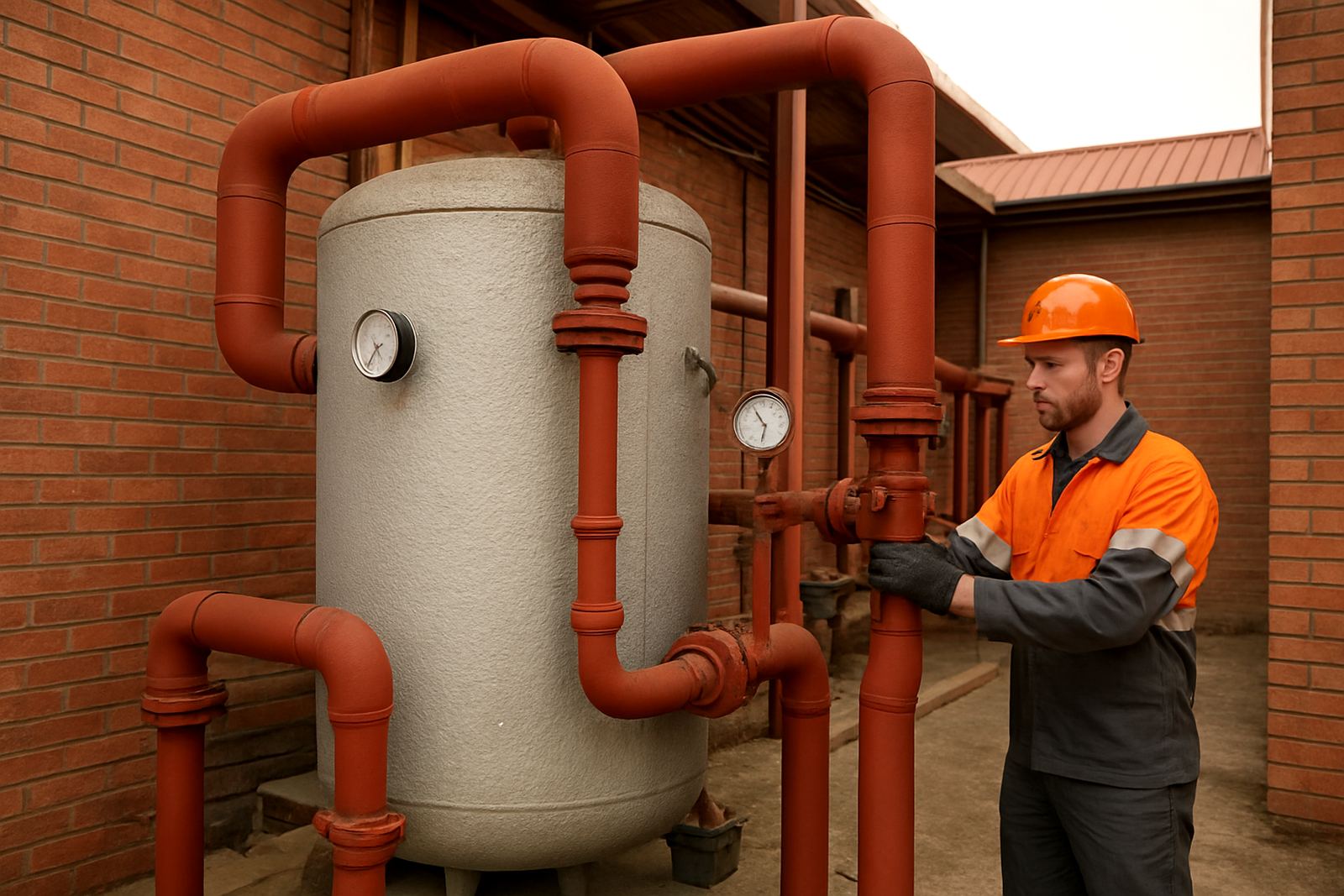
The job of expansion vessels in closed hot water systems and common faults.

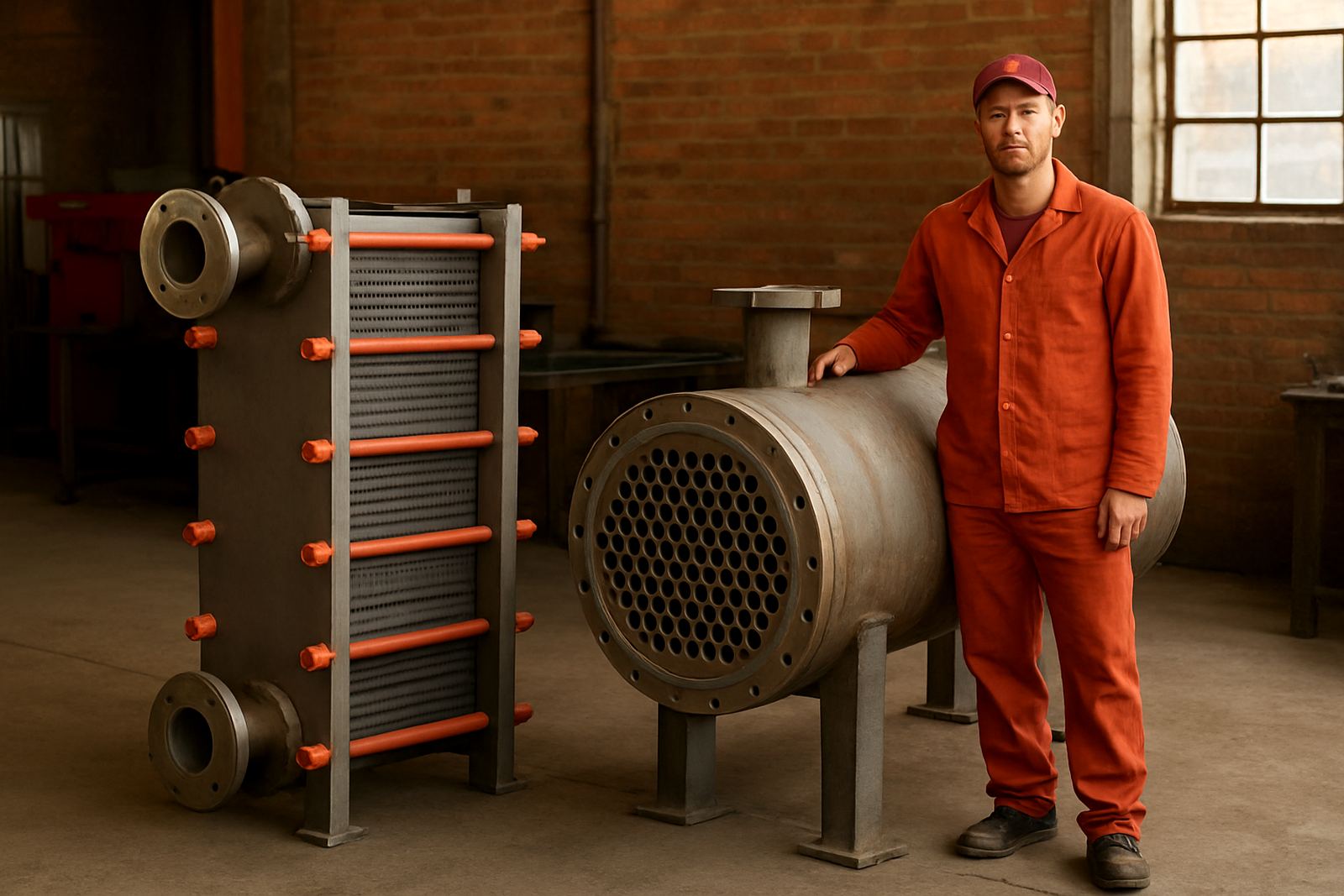
Plate Vs Shell Exchangers

Plate Vs Shell Exchangers

How plate and shell exchangers differ in footprint, maintenance and application.

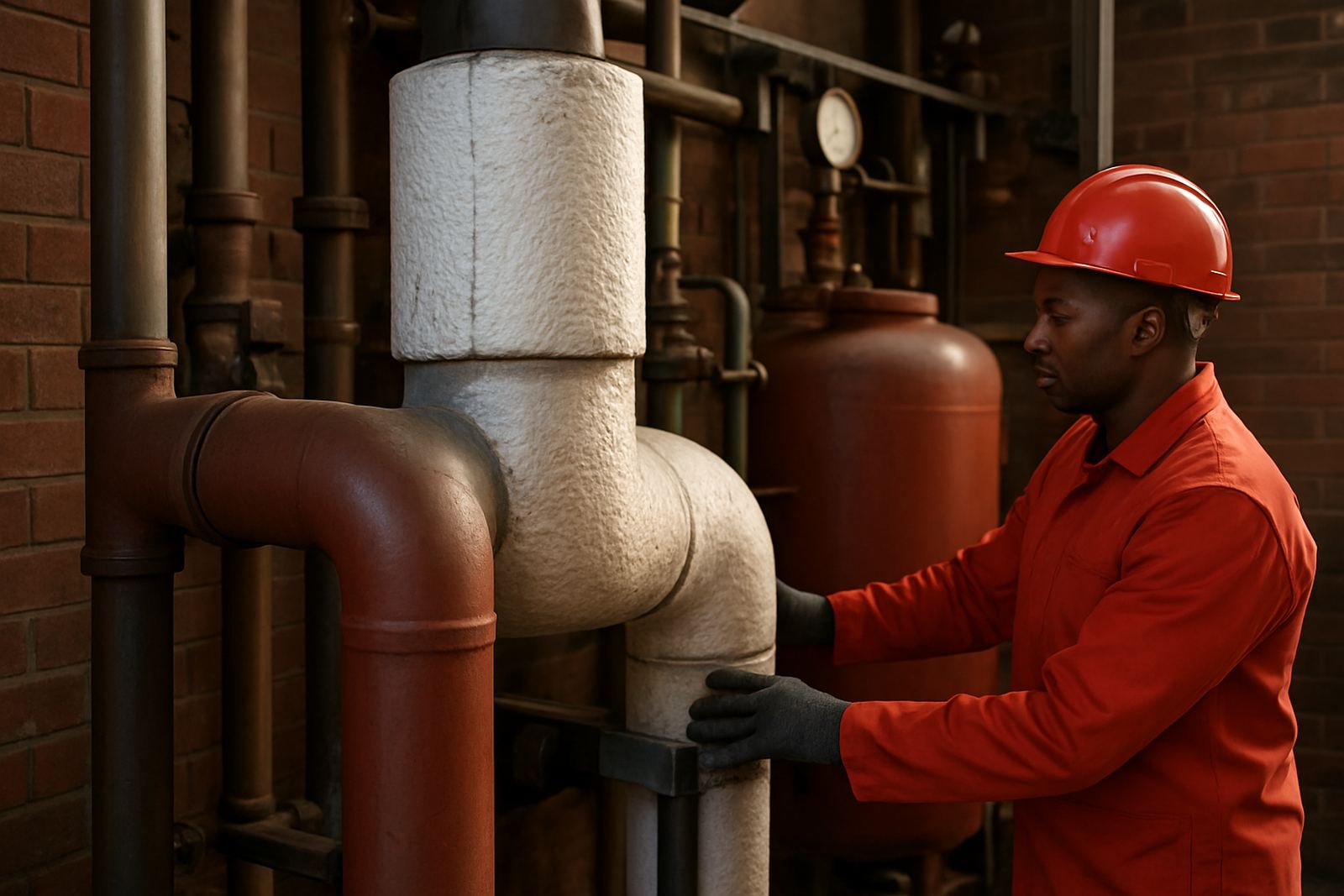
Insulation And Heat Loss

Insulation And Heat Loss

How damaged or missing insulation increases operating cost and room temperatures.

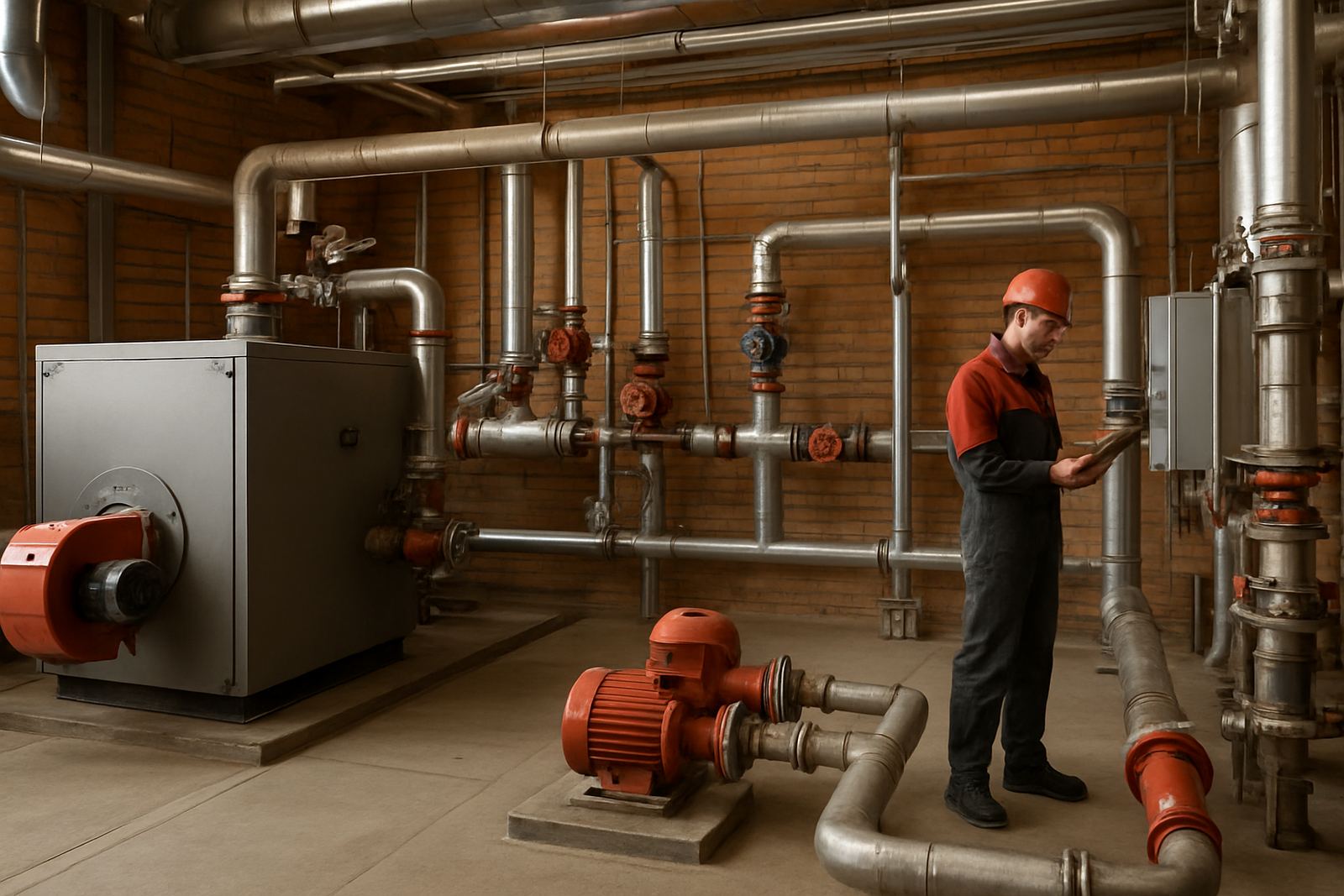
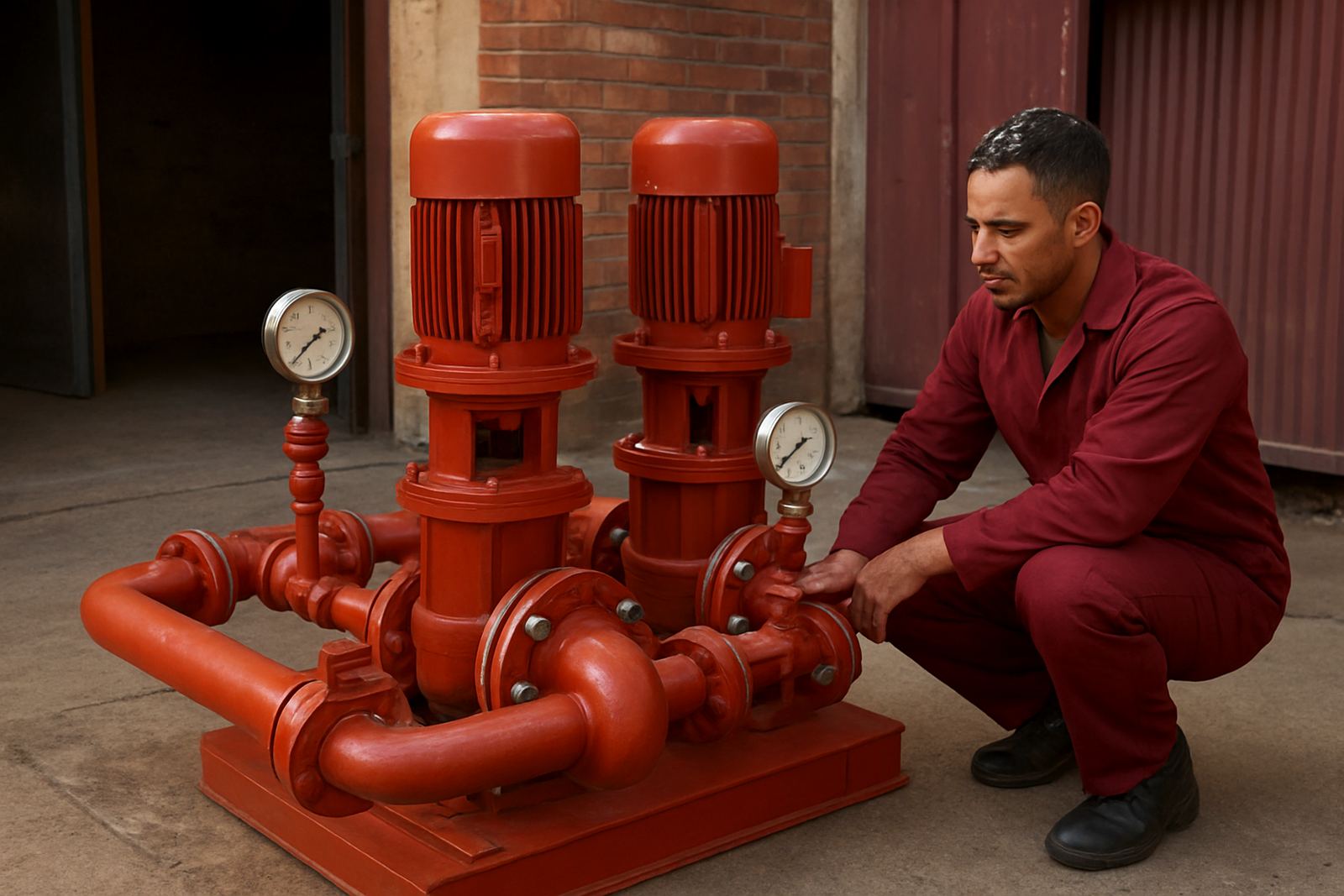
Pump Selection Basics

Pump Selection Basics

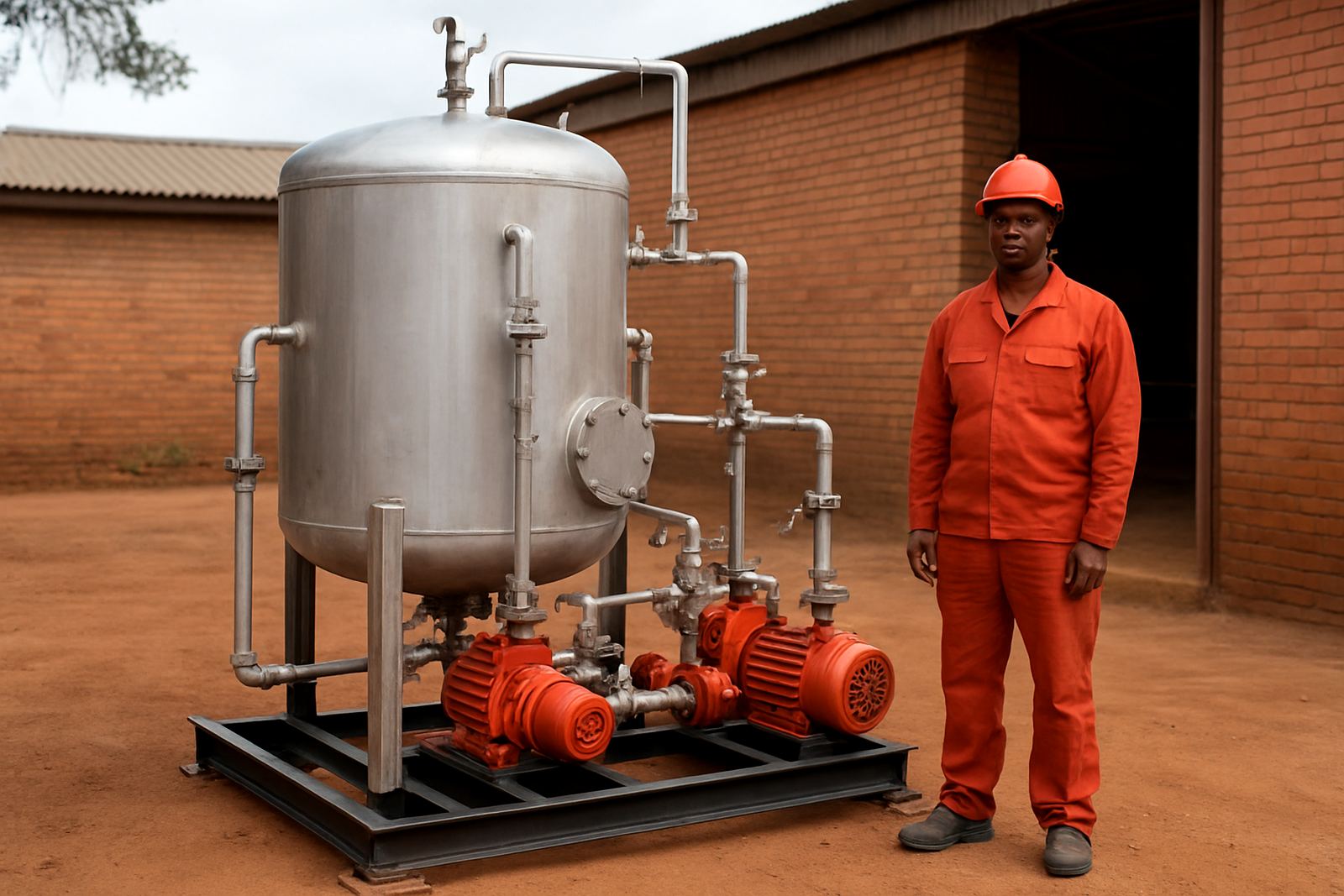
Flow, head and redundancy basics for heating and hot water pump sets.

Why Safety Valves Lift

Why Safety Valves Lift

Common reasons safety valves discharge and what to check first on site.

Chimney Draft Factors

Chimney Draft Factors

Height, diameter and routing considerations that affect flue draft performance.

Steam Separator Use

Steam Separator Use

When to fit a steam separator and how it improves downstream steam quality.

Water Hammer Causes

Water Hammer Causes

Typical causes of water hammer in steam and hot water lines.

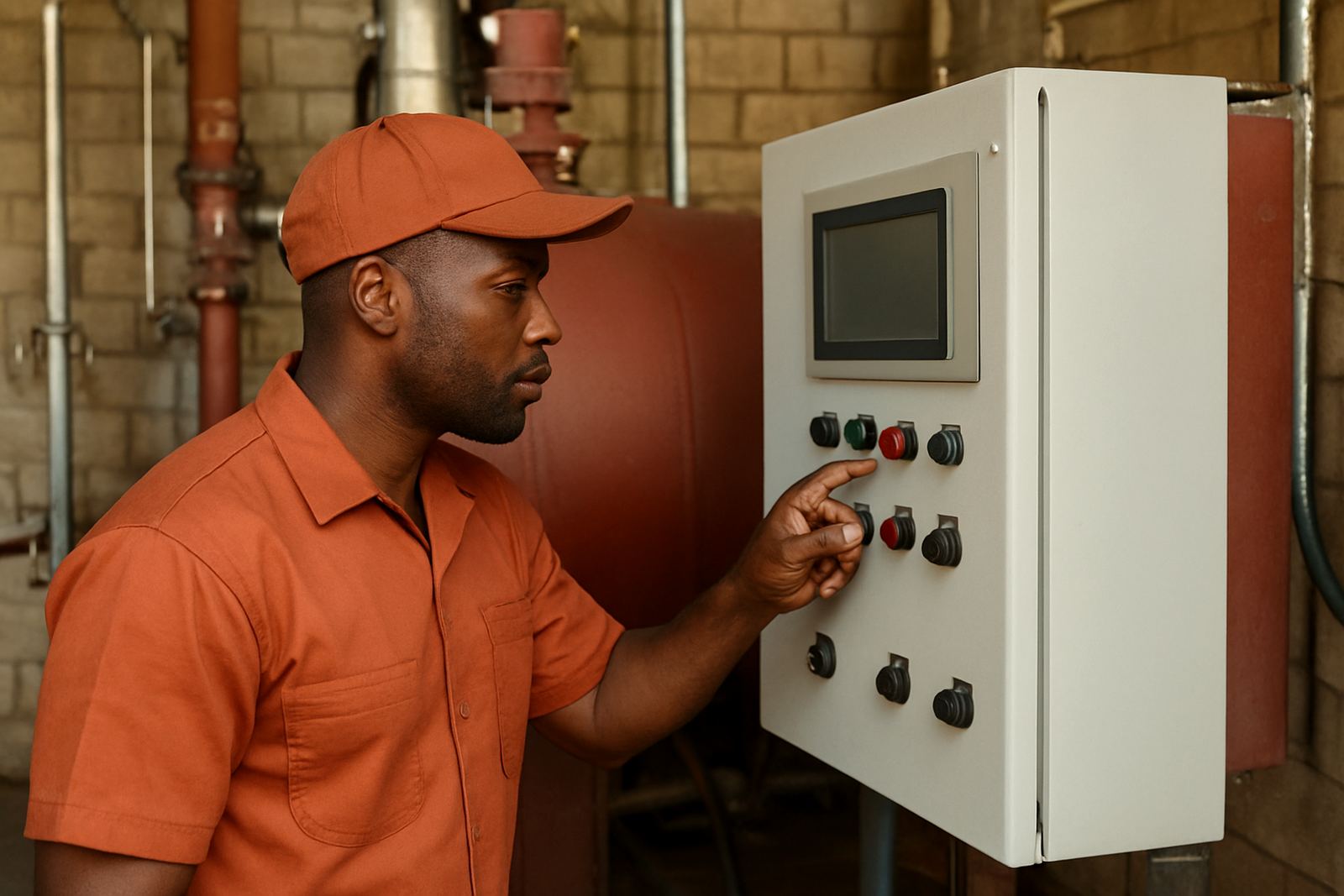
Boiler Control Interlocks

Boiler Control Interlocks

The purpose of interlocks and what they protect during startup and operation.

Electric Vs Fuel Boilers

Electric Vs Fuel Boilers

Comparing utility cost, installation needs and control characteristics by boiler type.

Calorifier Hygiene Risk

Calorifier Hygiene Risk

Stored hot water hygiene risks and why temperature management matters.

Process Oil Heating Points

Process Oil Heating Points

What to consider when heating oils, syrups and other viscous process fluids.

Temporary Boiler Planning

Temporary Boiler Planning

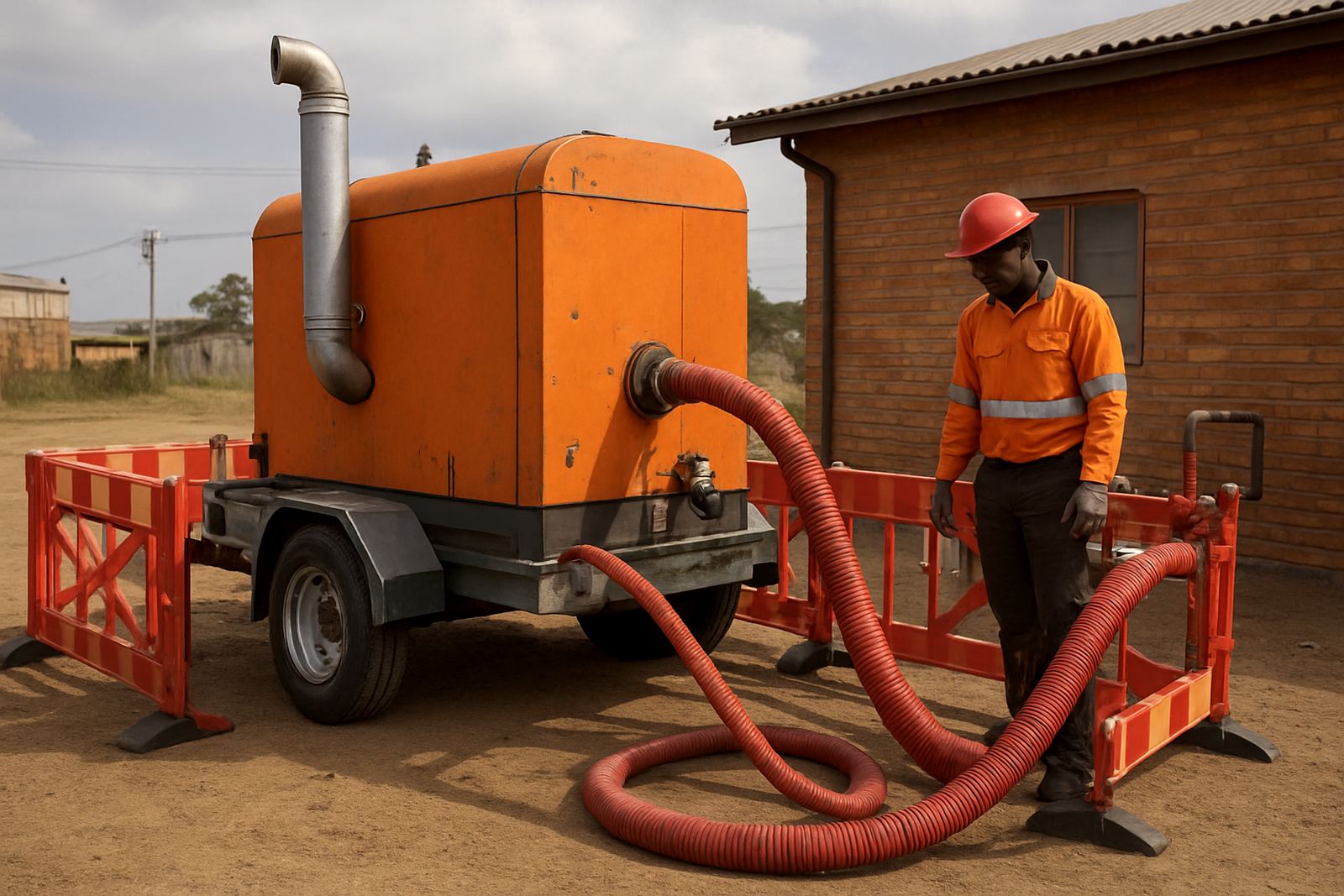
Site access, services and tie-in considerations before temporary boiler deployment.

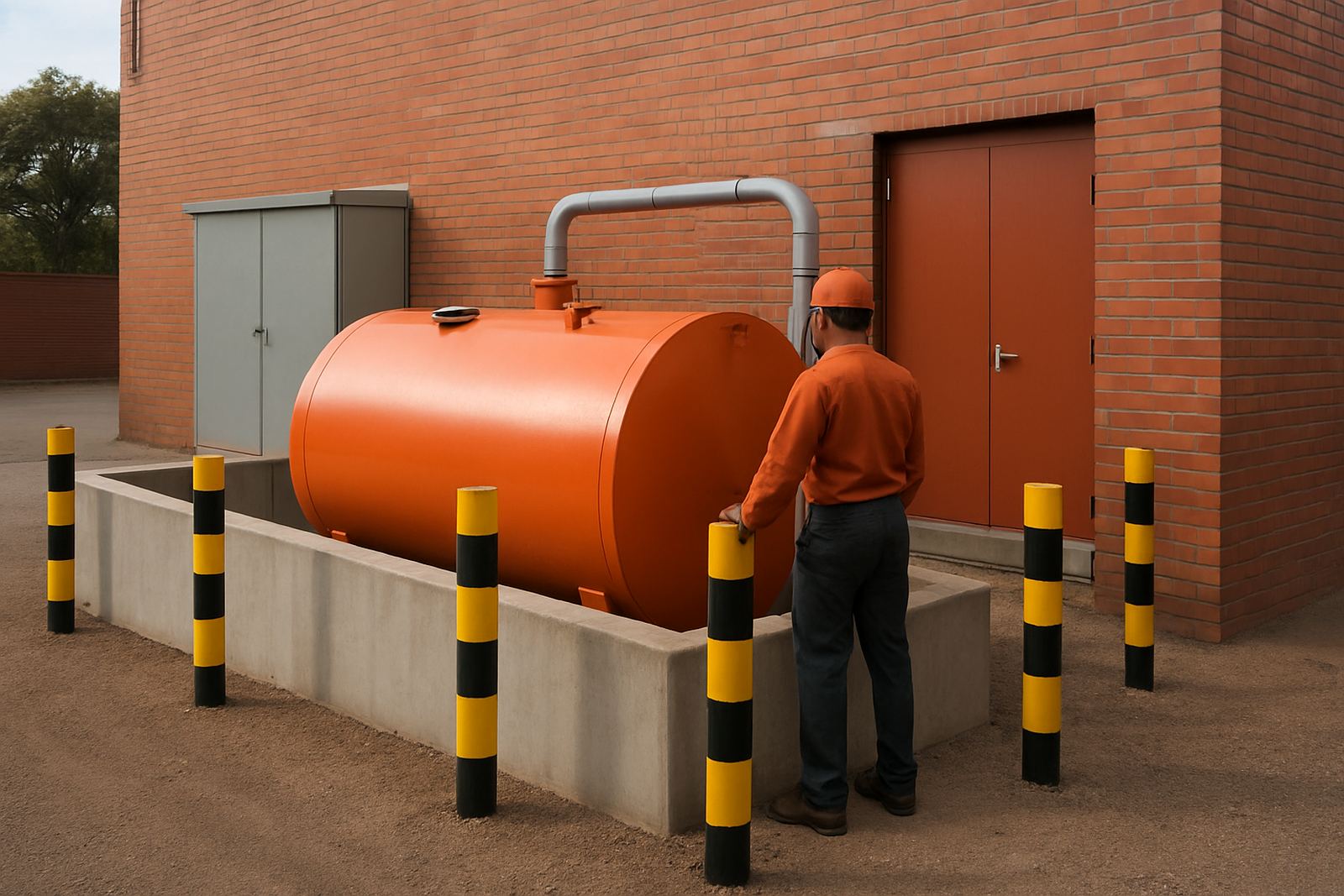
Fuel Storage Considerations

Fuel Storage Considerations

Practical factors around fuel supply arrangement, safety and operating continuity.

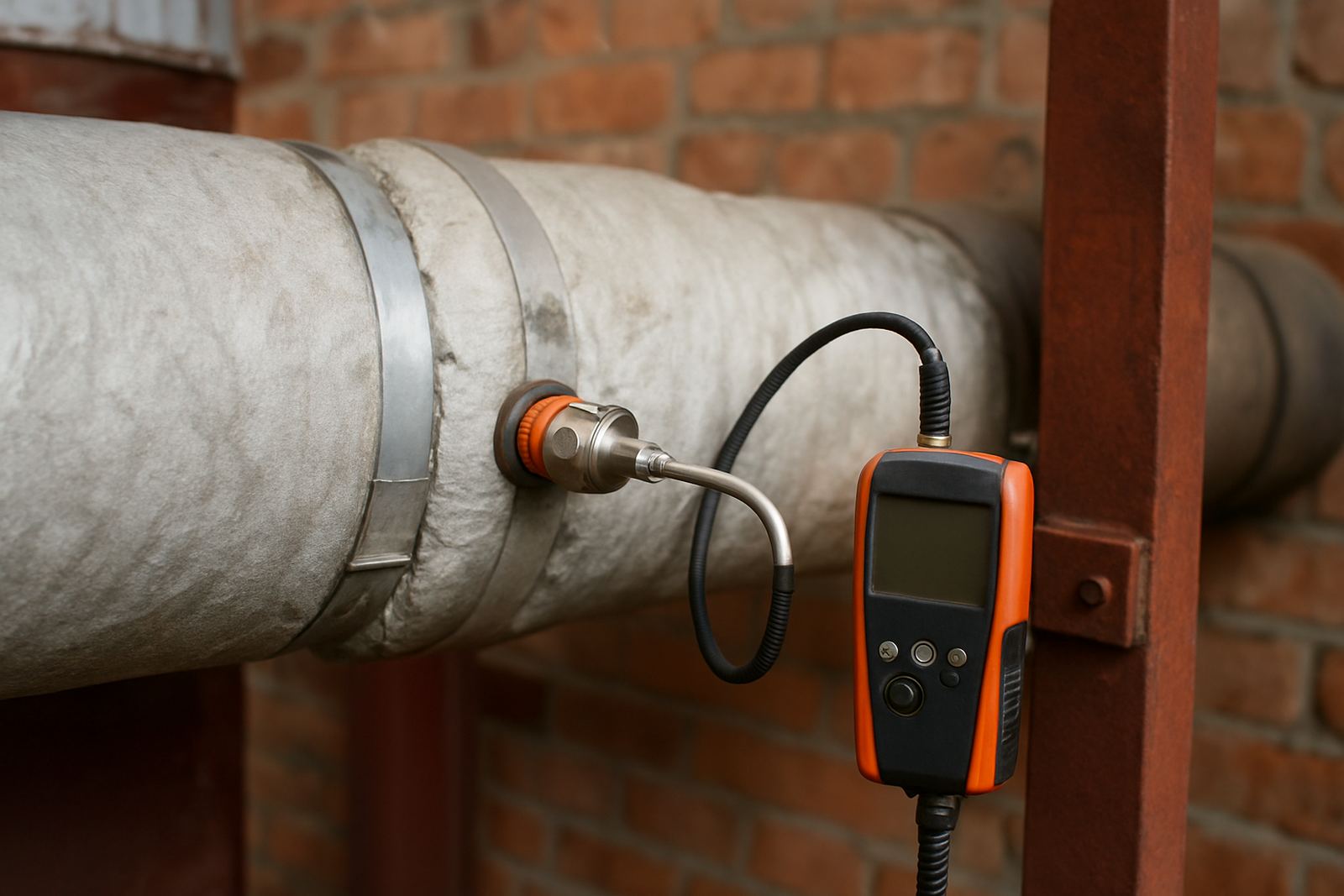
Stack Temperature Meaning

Stack Temperature Meaning

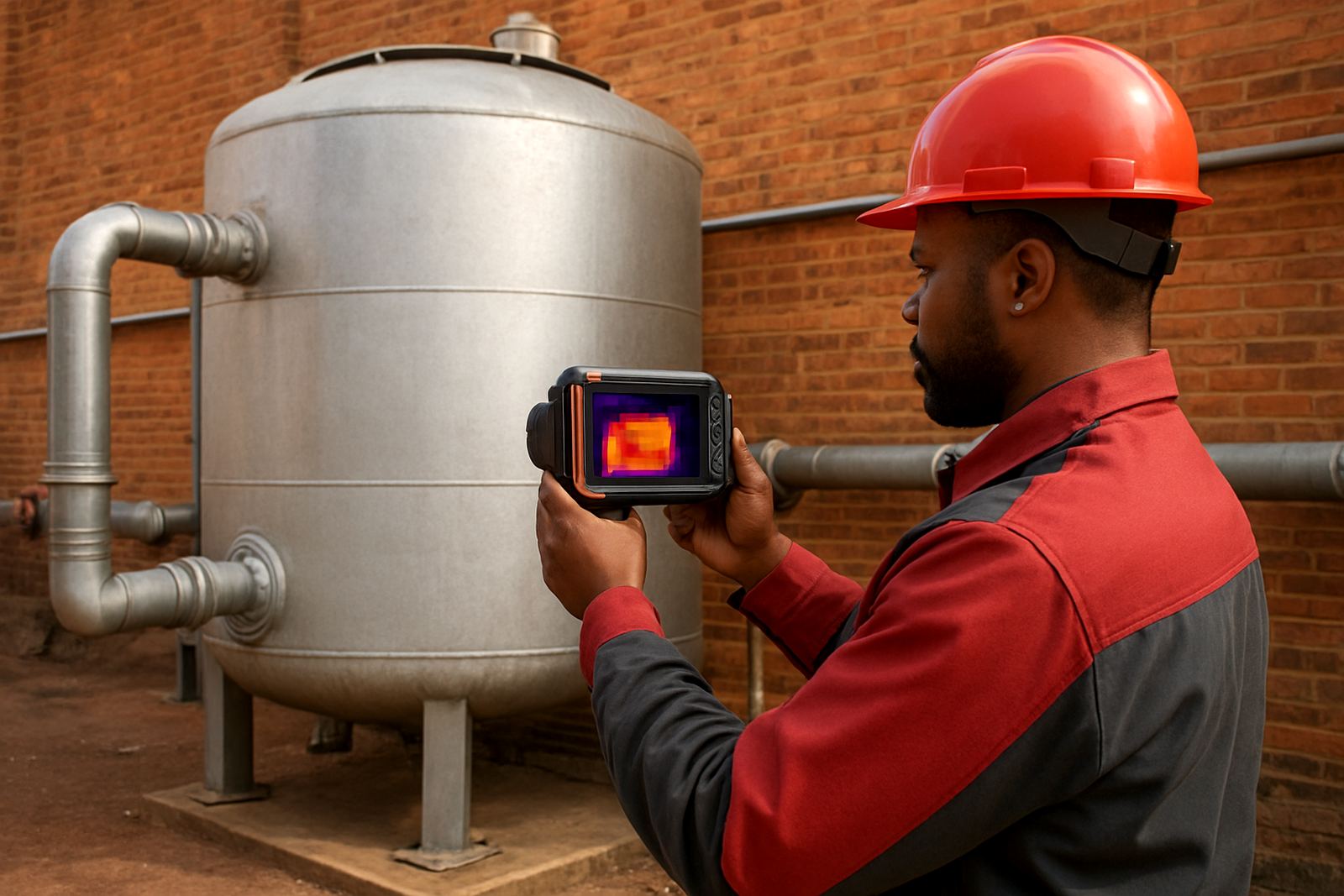
What flue gas temperature can reveal about efficiency and plant condition.

Calorifier Sizing Mistakes

Calorifier Sizing Mistakes

Typical oversights that lead to poor hot water performance and wasted capital.

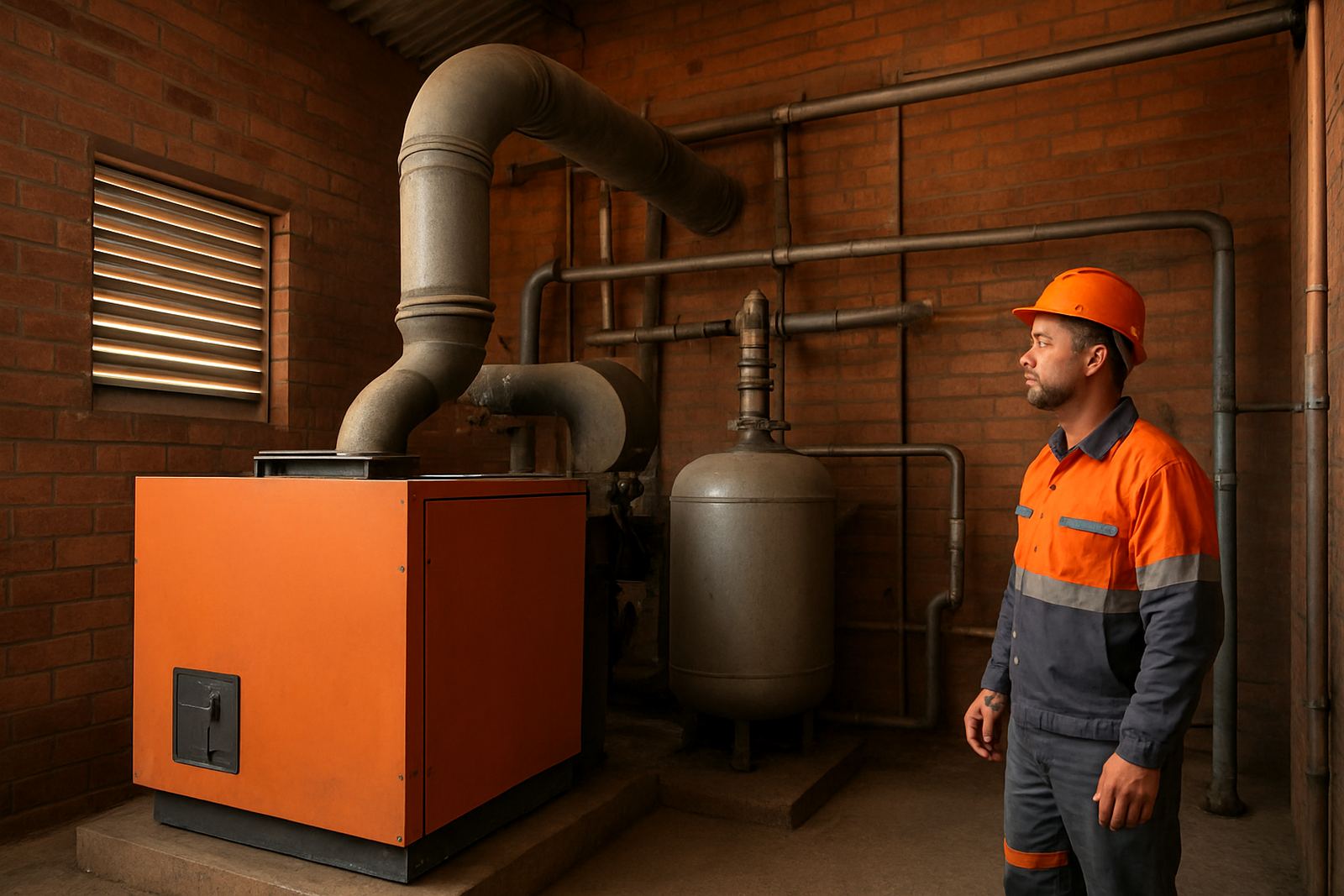
Boiler House Ventilation

Boiler House Ventilation

Why adequate ventilation matters for combustion, safety and equipment longevity.

Redundancy For Critical Sites

Redundancy For Critical Sites

How standby capacity helps healthcare, hospitality and continuous process operations.

Common Boiler Noises

Common Boiler Noises

Noises that suggest scale, poor combustion, trapped air or unstable firing.

Plant Room Drainage

Plant Room Drainage

Drainage details that support safe maintenance, blowdown handling and leak response.

Shutdown Checklist Basics

Shutdown Checklist Basics

A simple framework for planned shutdown work on heat plant and auxiliaries.

Start Up After Idle

Start Up After Idle

Checks to perform before returning idle boilers and heaters to service.

Heat Loss From Storage

Heat Loss From Storage

How vessel surface area, insulation and standby time affect stored hot water loss.

Service Records That Help

Service Records That Help

Useful maintenance records that make fault finding and planning easier over time.

When To Refurbish

When To Refurbish

Indicators that refurbishment is more practical than full equipment replacement.

How to read these notes before you buy or call out

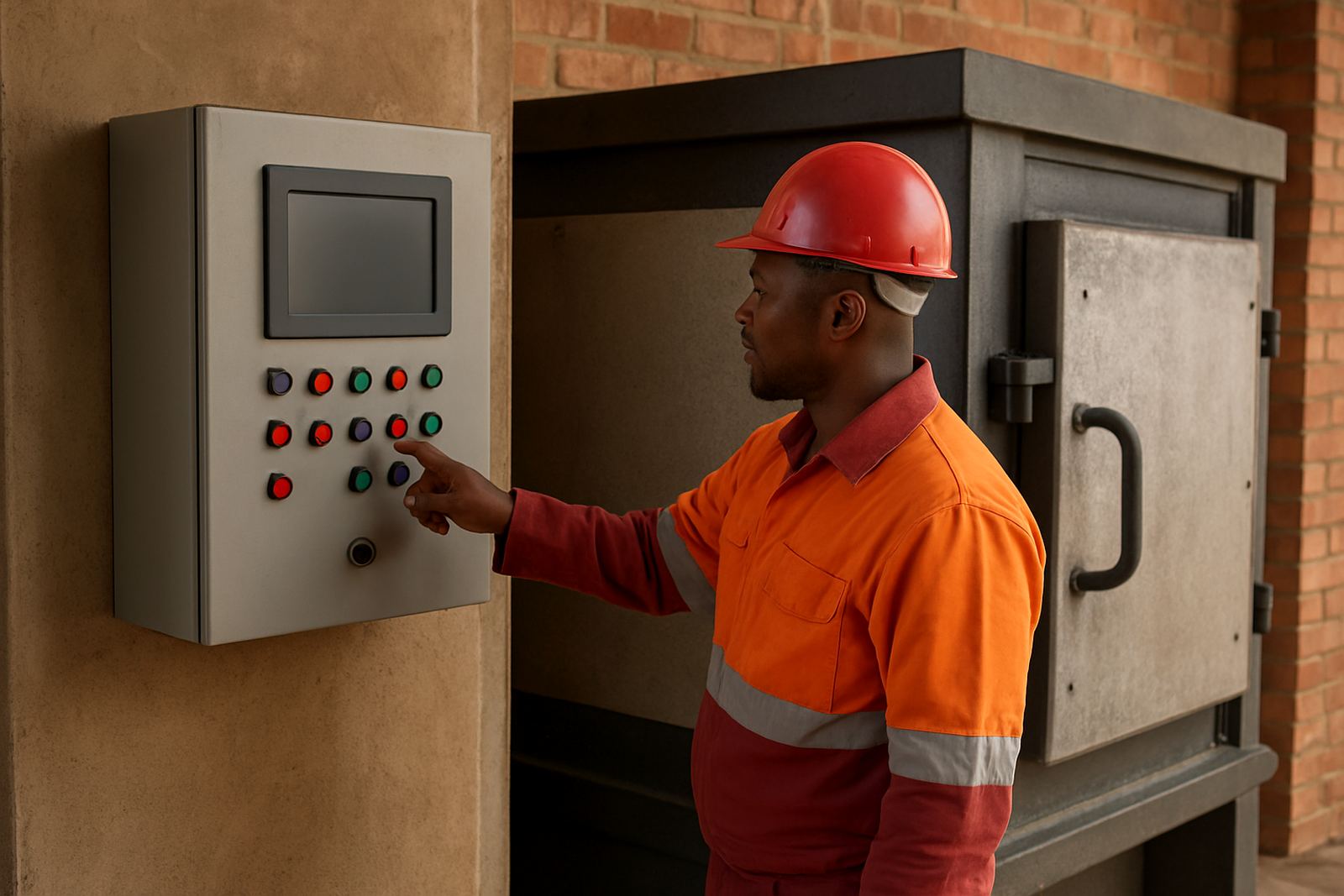
Start with the plant type, then match the note to the symptom. A boiler issue often shows up as poor steam output, unstable pressure or repeated trips. A calorifier fault usually appears as slow recovery, uneven hot water temperature or scaling inside the vessel. Inline heaters and incinerators behave differently again, so it helps to identify the duty, load profile and whether the equipment runs on a continuous or batch cycle.

For buyers in Gauteng and beyond, the main choice is not only the unit size but the support plan around it. If your site has shift work, load-shedding, hard water or long travel times between plants, you need a maintenance schedule that matches actual usage, not just the nameplate rating.

Boiler performance issues we see most often

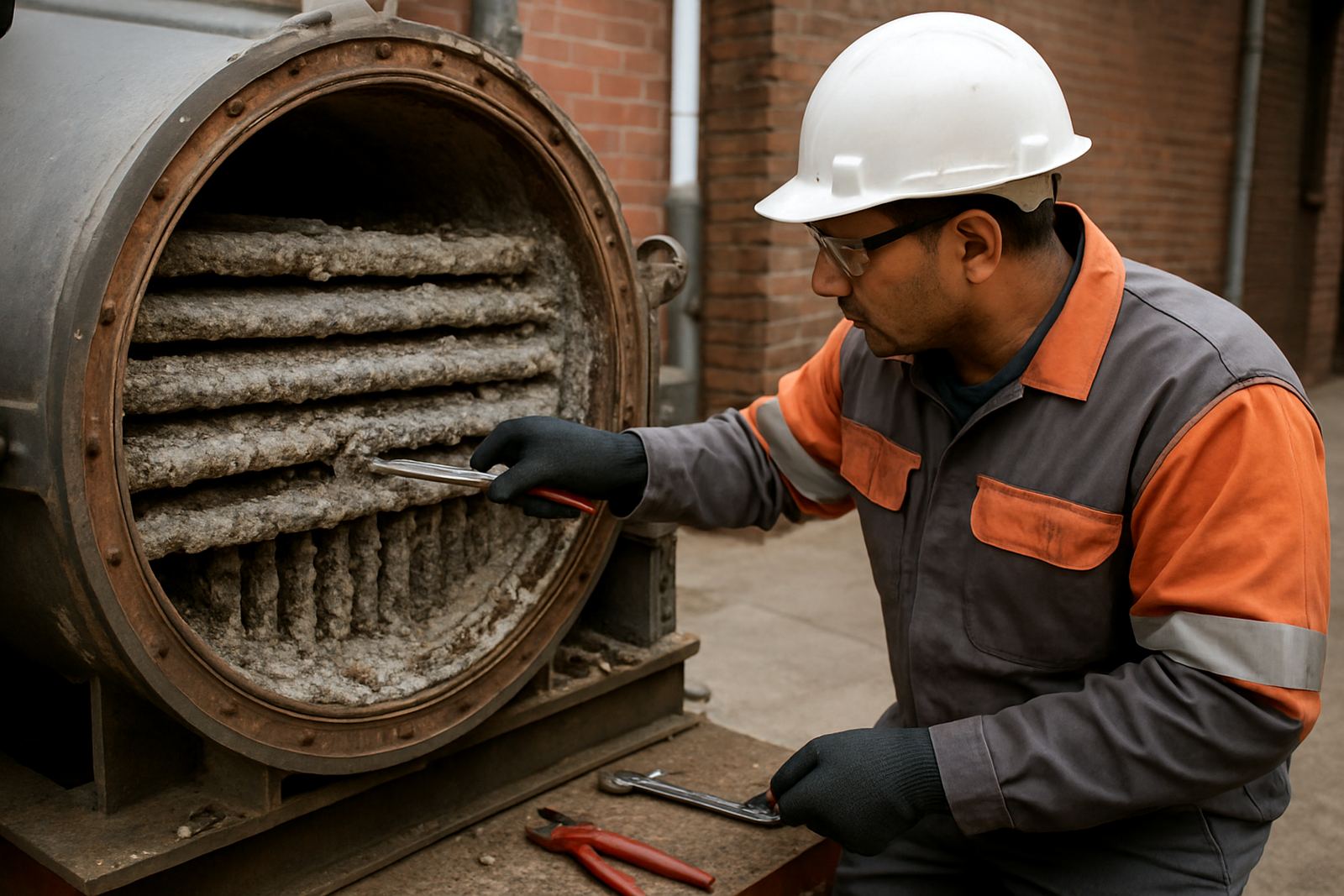
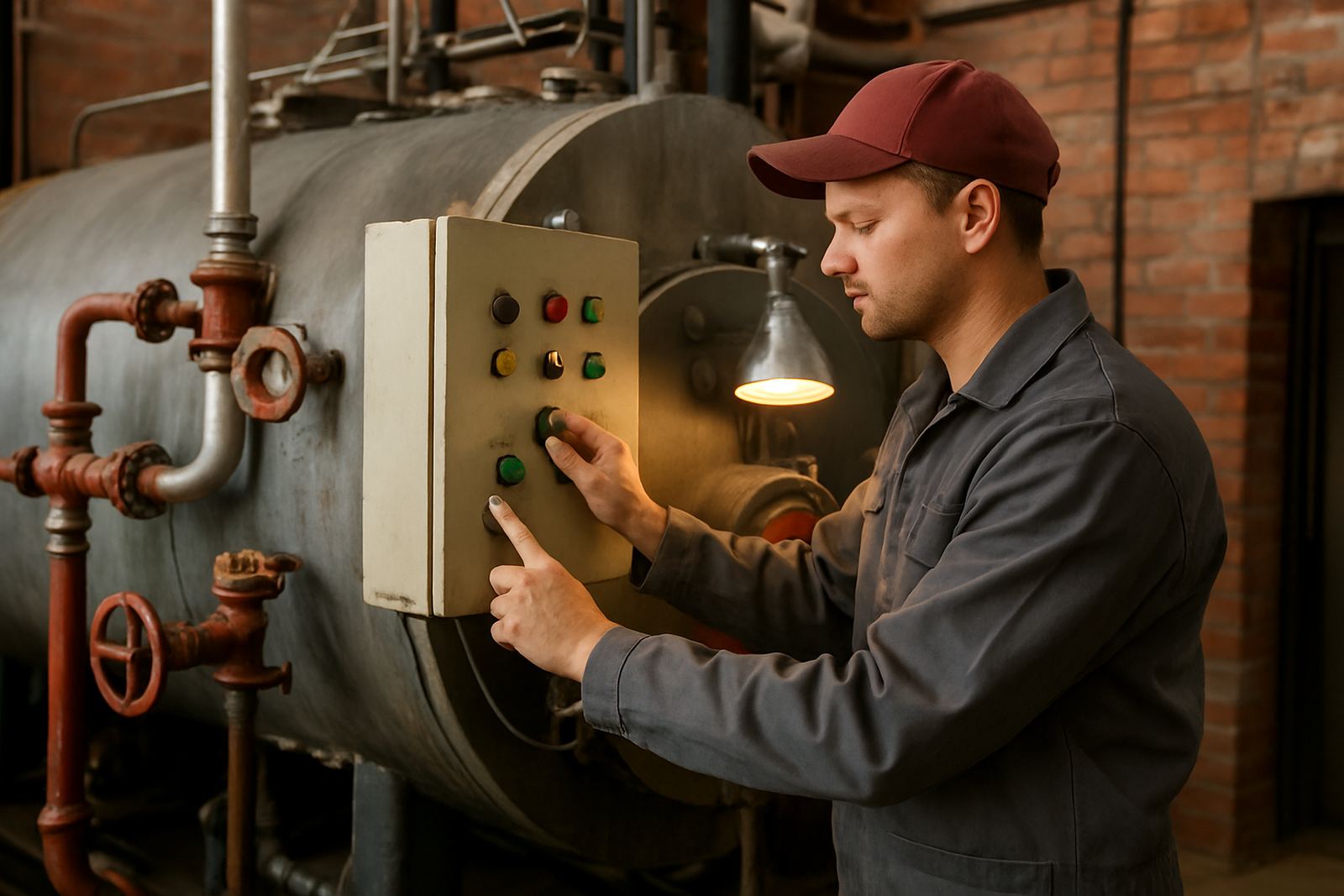
Most boiler complaints come back to water quality, burner setup or neglected servicing. Scale on heat transfer surfaces pushes fuel use up and drops output. Poor combustion increases soot and can damage refractory. Low feed pressure, faulty controls and blocked strainers also create nuisance trips that stop production at the worst possible time.

On older plant, the early signs are often small: more blowdown than normal, drifting pressure, odd noise at light-up, or a stack that looks darker than it should. Catching these early is cheaper than waiting for a tube leak or a full shutdown.

  • Check water treatment records weekly
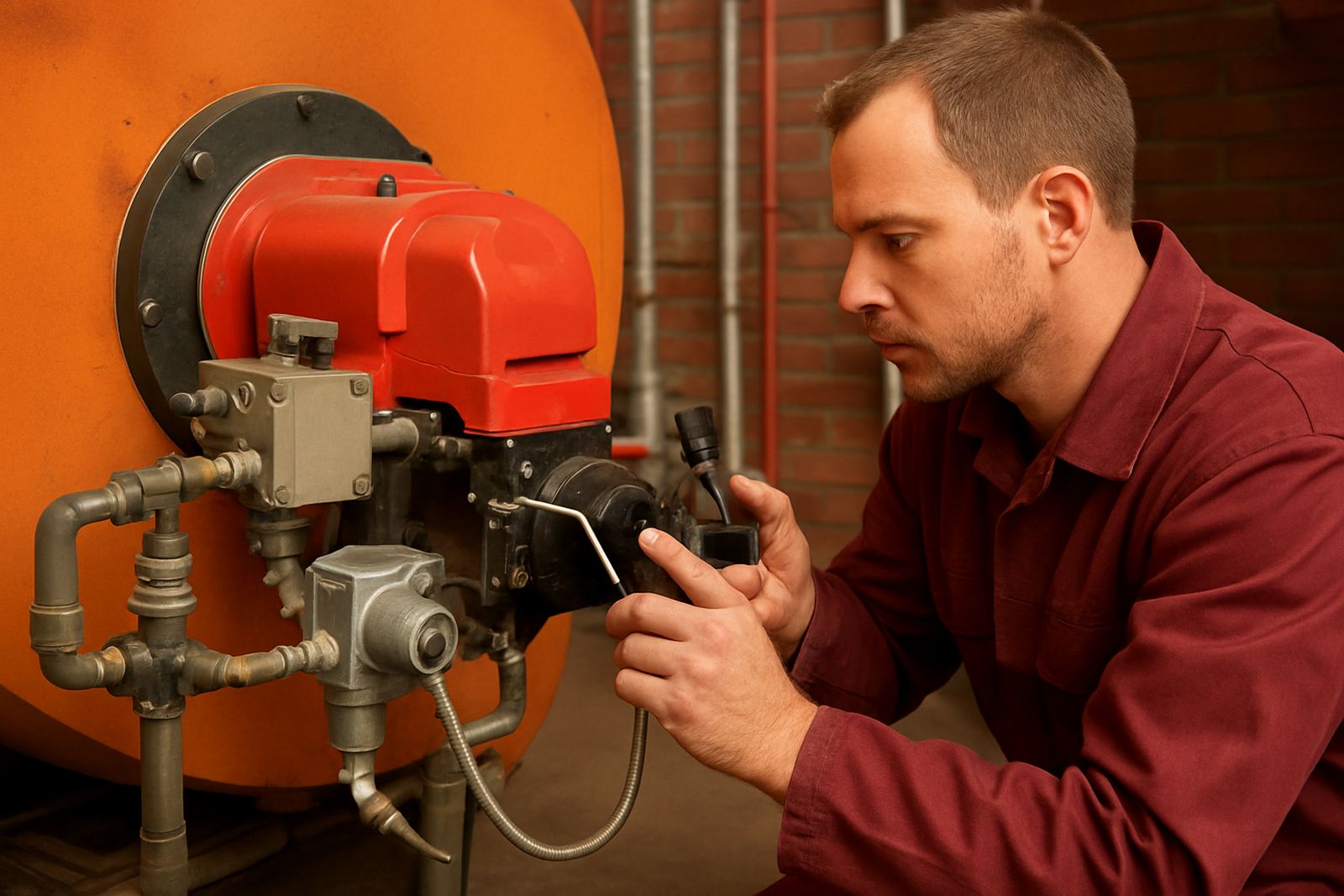
  • Inspect burner ignition and flame pattern
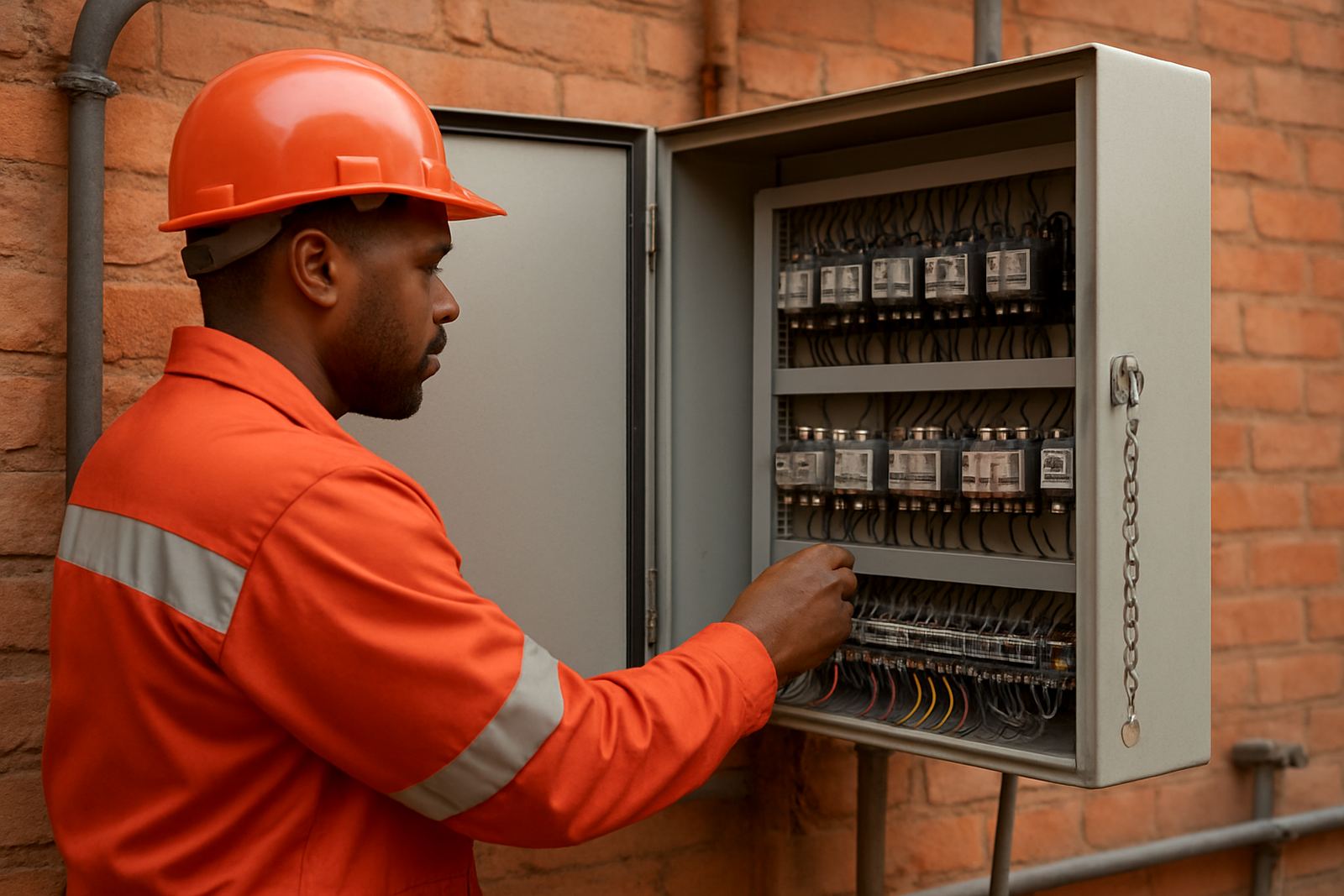
  • Confirm safeties, gauges and controls are reading correctly
  • Log trips, resets and pressure fluctuations

Calorifier care and hot water recovery

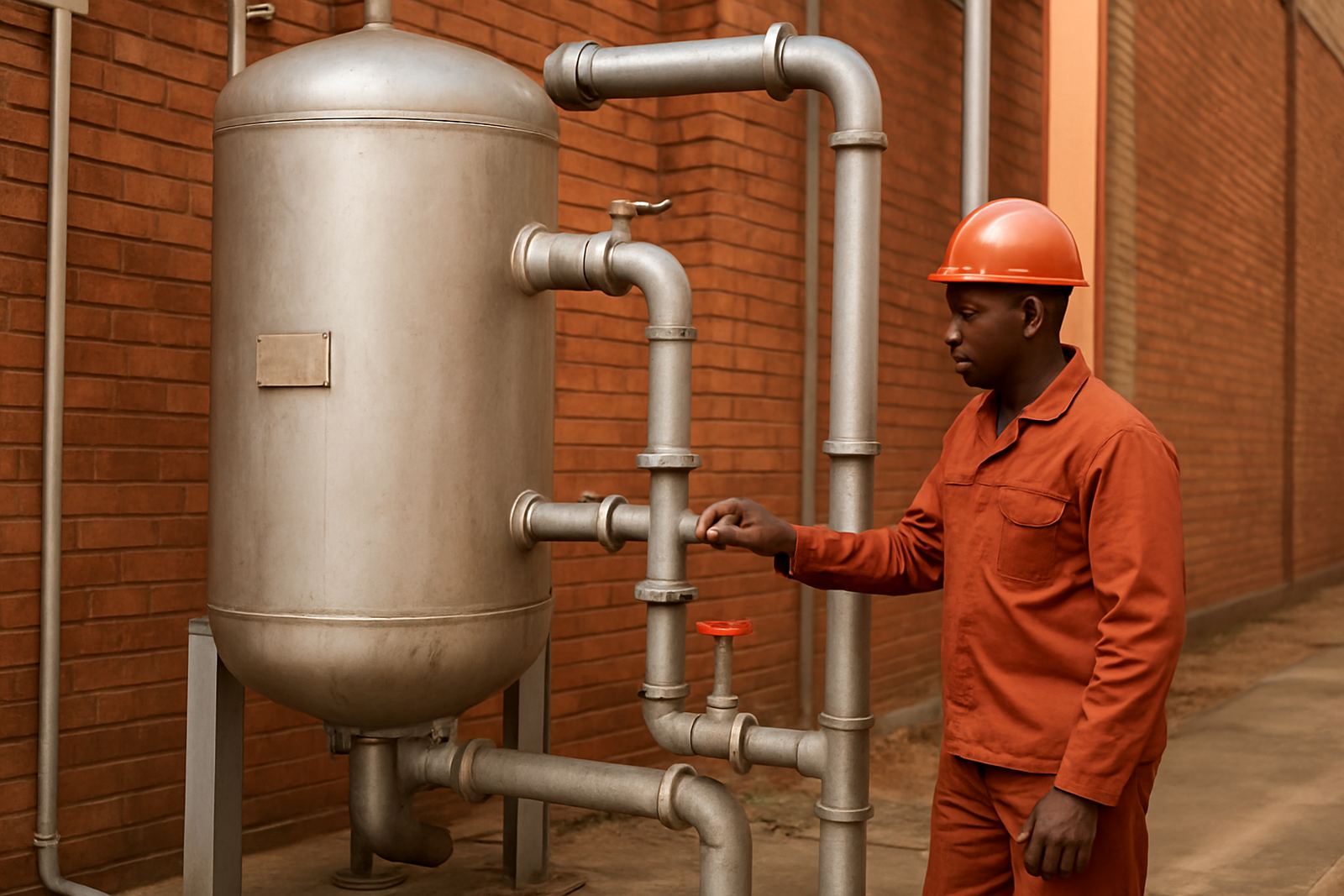
Calorifiers work best when the incoming water is controlled and the heating surface stays clean. In coastal conditions, and in hard-water areas around Gauteng, scaling builds quickly. That slows recovery and can leave showers, kitchens or process lines without enough hot water during peak demand.

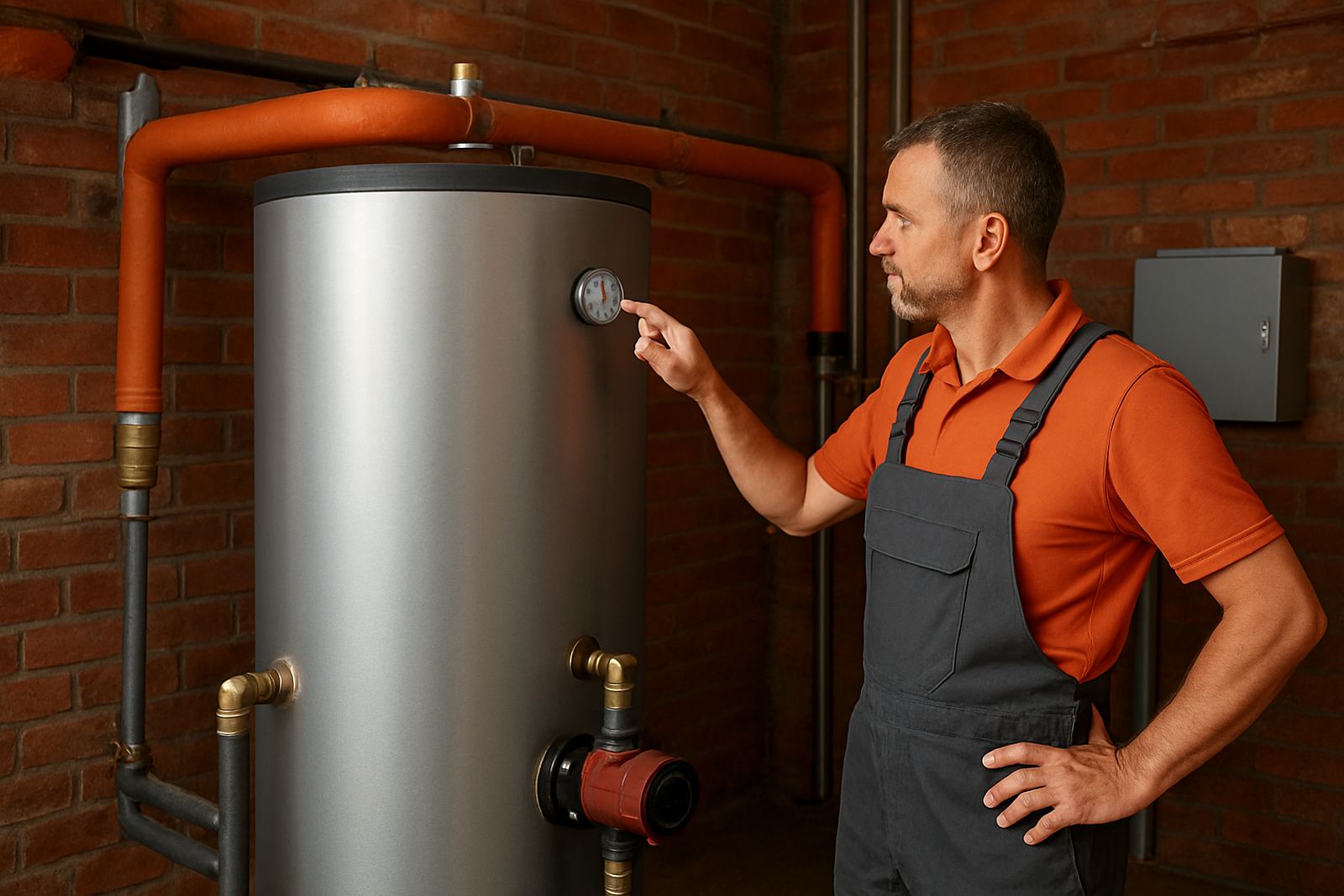
Good maintenance means checking anodes, internal condition, thermostatic controls and insulation loss. If the water takes too long to recover, do not assume the unit is undersized straight away. In many cases the real problem is fouled coils, poor circulation or a control valve that is not responding properly.

  • Test outlet temperature against the setpoint
  • Look for leaks around flanges and access points
  • Flush sediment where the duty allows it
  • Record heating times after each service

Inline heaters and the signs of restricted flow

Inline heaters are often installed where space is tight and response time matters. They can give reliable service, but only if flow, pressure and control calibration stay within spec. When flow drops too low, the heater can overheat. When flow is too high, the outlet temperature may never reach target and the plant keeps cycling.

If you hear cavitation, see repeated temperature swings or find the protection devices tripping without an obvious reason, the flow path needs checking. Valve position, pump condition, strainers and control signals all matter. A quick reset usually only masks the fault for a short while.

For industrial sites, the best results come from matching heater duty to actual demand rather than peak guesswork. That is especially important where shifts change, process lines start and stop, or supply voltage is unstable during load-shedding.

Incinerator servicing and compliance points

Incinerators need proper combustion, correct chamber temperature and sound refractory to keep emissions and odours under control. When refractory starts to crack or flake, heat loss rises and the unit may struggle to maintain stable burn conditions. Poor air settings can make the problem worse and increase fuel use at the same time.

Sites should keep records of servicing, ash removal and any parts replaced. Where municipal or site rules apply, documentation should be available before an inspection or audit. The practical aim is simple: keep the unit safe, keep it clean, and keep it working within the permitted operating window.

What to prepare for annual inspections and callouts

Good callout work starts with good information. Our service teams in Boksburg, Kempton Park, Germiston, Pretoria, Midrand and Sandton work faster when the site can share equipment data, fault history and access requirements upfront. That saves time on the day and avoids second visits for basic details.

Before an annual inspection, have the following ready:

  • Plant nameplate details and serial numbers
  • Last service report and any recent fault notes
  • Water treatment records and blowdown logs
  • Access permits, shutdown windows and site contact details
  • Spare parts used in the past year

For emergency callouts, clear access and a known shutdown procedure can make the difference between a two-hour fix and a full production delay. In winter, or after a power interruption, we often find the same few causes repeat: low water quality, failed controls, or a component that was already near end of life.

Questions we get asked

How do I know whether the fault is boiler related or water treatment related?

If the plant is losing efficiency, fouling quickly or tripping after short intervals, water quality is often part of the problem. A service inspection can separate control faults from scaling, burner issues and feedwater problems.

How often should commercial heat plant be serviced?

It depends on duty, water quality and operating hours. High-use sites usually need planned servicing at least once a year, with checks during the year for controls, combustion and safety devices.

Do you only support Gauteng sites?

No. Our base is in Jet Park, Boksburg, and we support clients nationally with service teams that travel to site when the plant or shutdown plan requires it.

Planning something? Email the team.

engineering@ai-tec.co.za