Why sizing goes wrong before the first litre is heated
Most sizing problems start with a quick estimate instead of proper demand data. A site may say it needs hot water for staff ablutions, a kitchen, laundry or process use, but the actual peak load is rarely measured. When the unit is chosen from old habits or a rough rule of thumb, the result is usually one of two problems: the calorifier is too small and runs flat out all day, or it is too large and carries dead weight in capital cost and standby loss.
On Gauteng sites we often see the same pattern. The original unit was installed years ago when the building housed fewer people, then the workforce grew, shifts changed or a kitchen was added. Nobody adjusted the hot water design, so the plant keeps failing at the exact time everyone needs it most. A correct sizing exercise must look at occupancy, draw-off pattern, recovery time, inlet water temperature and how many points can be used at once.
Missing the peak demand window
The biggest mistake is planning for average use instead of peak use. A calorifier that performs well through the day can still fail badly at 06:30 when showers, wash basins and kitchen prep all start together. If the system is designed only around total daily litres, it may never recover fast enough after the morning rush.
Peak demand is shaped by the site itself, not just the building size. A truck stop near Boksburg, a small hospital in Kempton Park and a factory in Germiston all use hot water differently. A site with staggered shifts may need less storage but faster recovery. A site with a single changeover window needs more stored volume and careful flow control.
- Count the number of users during the busiest 30 to 60 minutes.
- Check how many showers, sinks or process points can run together.
- Measure actual hot water draw-off if the site has a history of shortages.
- Factor in colder winter inlet water, which slows recovery.
Choosing storage by instinct instead of recovery rate
Some clients focus only on litres stored in the tank, but storage alone does not solve the problem. If the heating source cannot put energy back into the water quickly enough, the tank just empties a bit later. That leads to poor performance and wasted plant space.
Recovery rate matters just as much as volume. The correct match depends on boiler output, coil surface area, water temperature rise and the actual operating profile. We often find a site has a generous tank but weak recovery because the heat source was sized for another building layout. In that case, the hot water temperature drops by mid-morning and staff blame the tank, when the real issue is the full system balance.
In practice, a better design starts with the end use. If the site needs quick recovery after a shift change, the system must be arranged for that. If the site only needs steady background demand, oversizing storage can be a costly habit with very little benefit.
Ignoring pipe losses and plant room limits
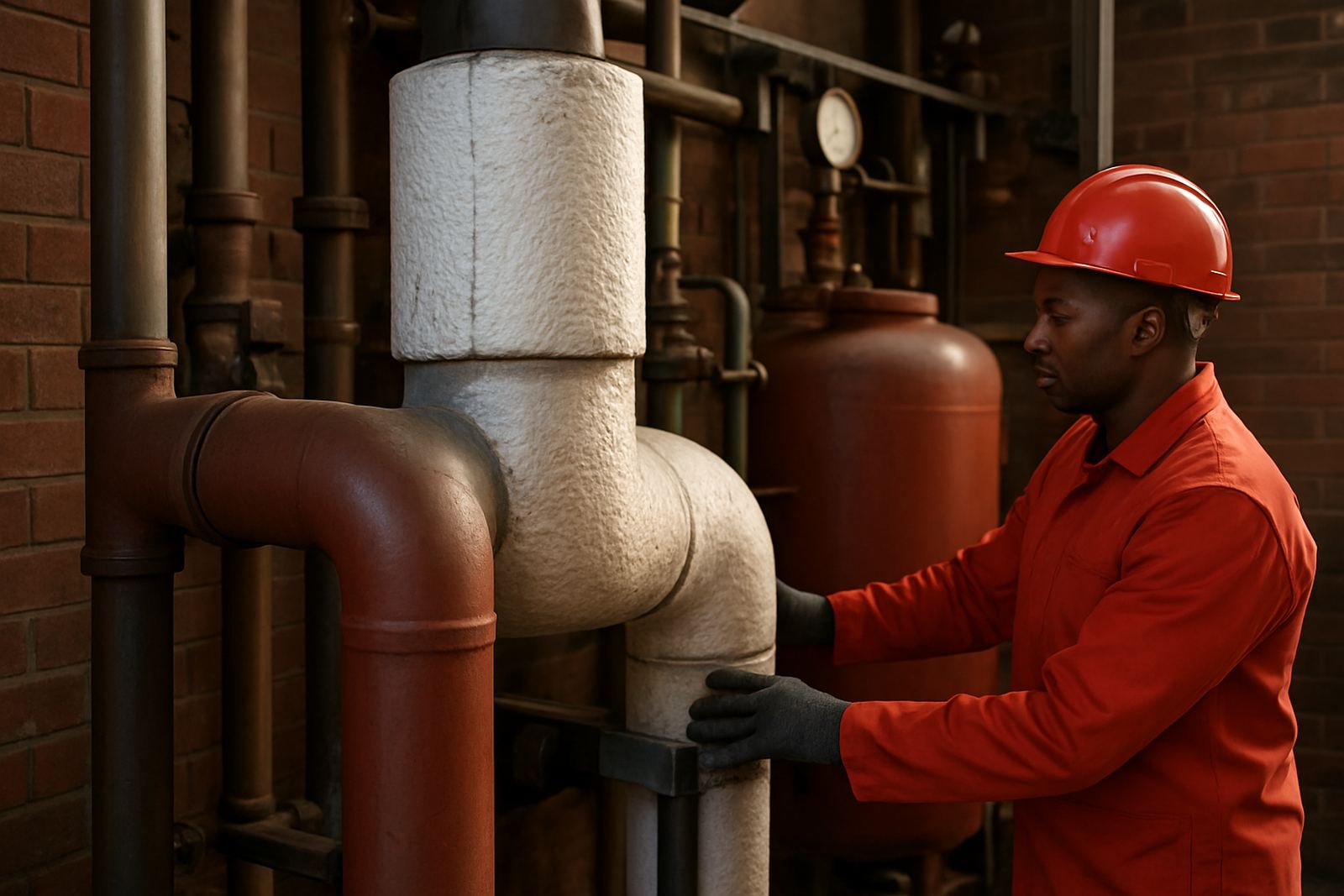
A calorifier can be correctly sized on paper and still perform badly because the pipework and plant room were not considered. Long pipe runs, poor insulation and dead legs all steal heat before the water reaches the tap. This is common in larger industrial sites, especially where the hot water plant is far from the points of use.
Plant room access is another overlooked issue. If the unit cannot be moved in, lifted or maintained properly, the project becomes more expensive from day one. A site in Midrand may have the perfect duty calculation but no practical route for the equipment. Then the installer has to work around the building rather than for it.
- Check pipe insulation thickness and condition, especially in older factories.
- Keep pipe runs as short as the layout allows.
- Avoid long idle branches that lose heat and collect scale.
- Make sure there is access for valves, anodes, controls and future cleaning.
Not planning for local water quality and maintenance
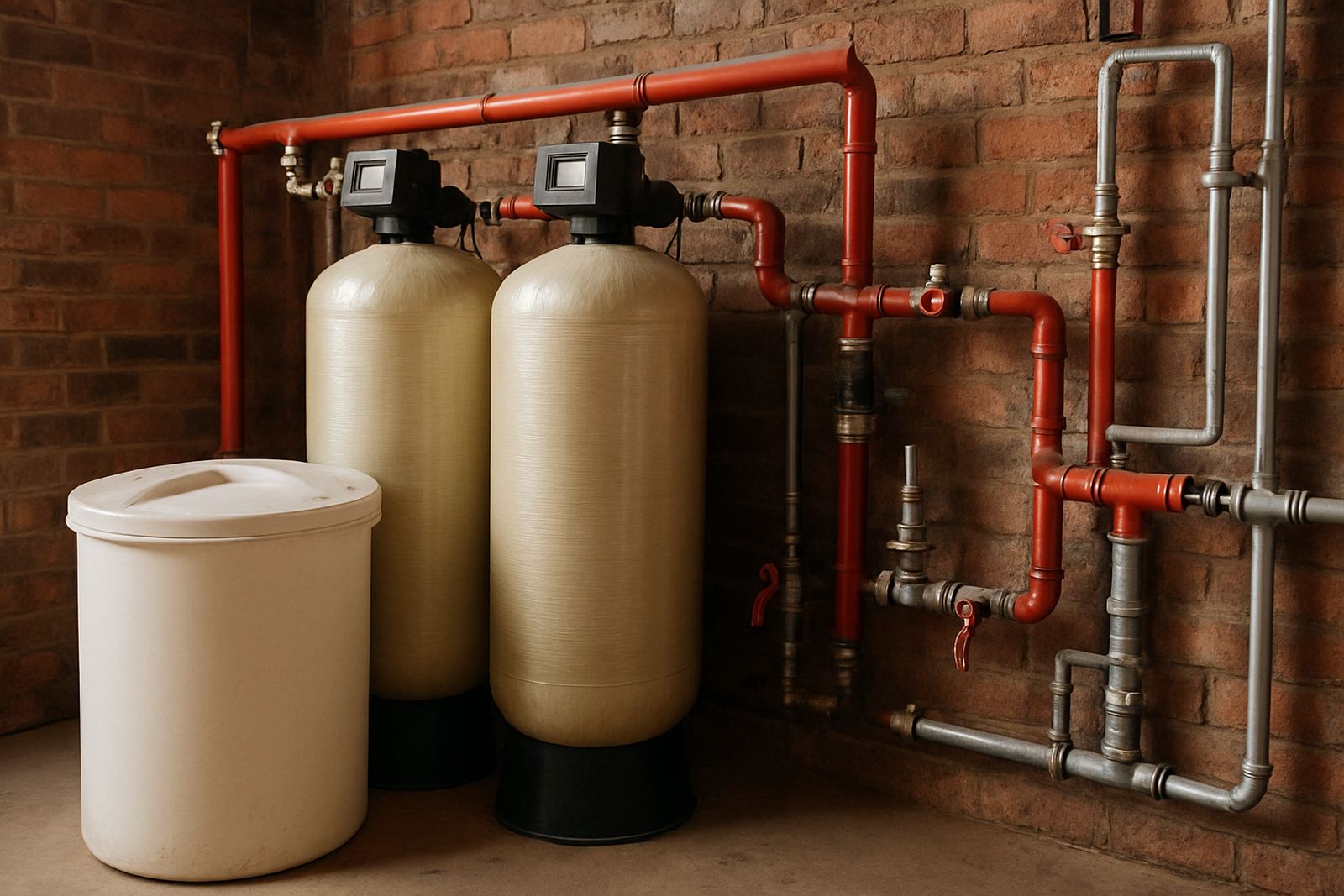
Hard water, scale and corrosion can turn a sound design into a poor investment. In many Gauteng areas, untreated water leaves mineral build-up inside the unit and on heating surfaces. The heat transfer drops, recovery slows and power use climbs. On the coast, humidity adds another layer of risk to panels, steelwork and connections, so maintenance planning cannot be treated as an afterthought.
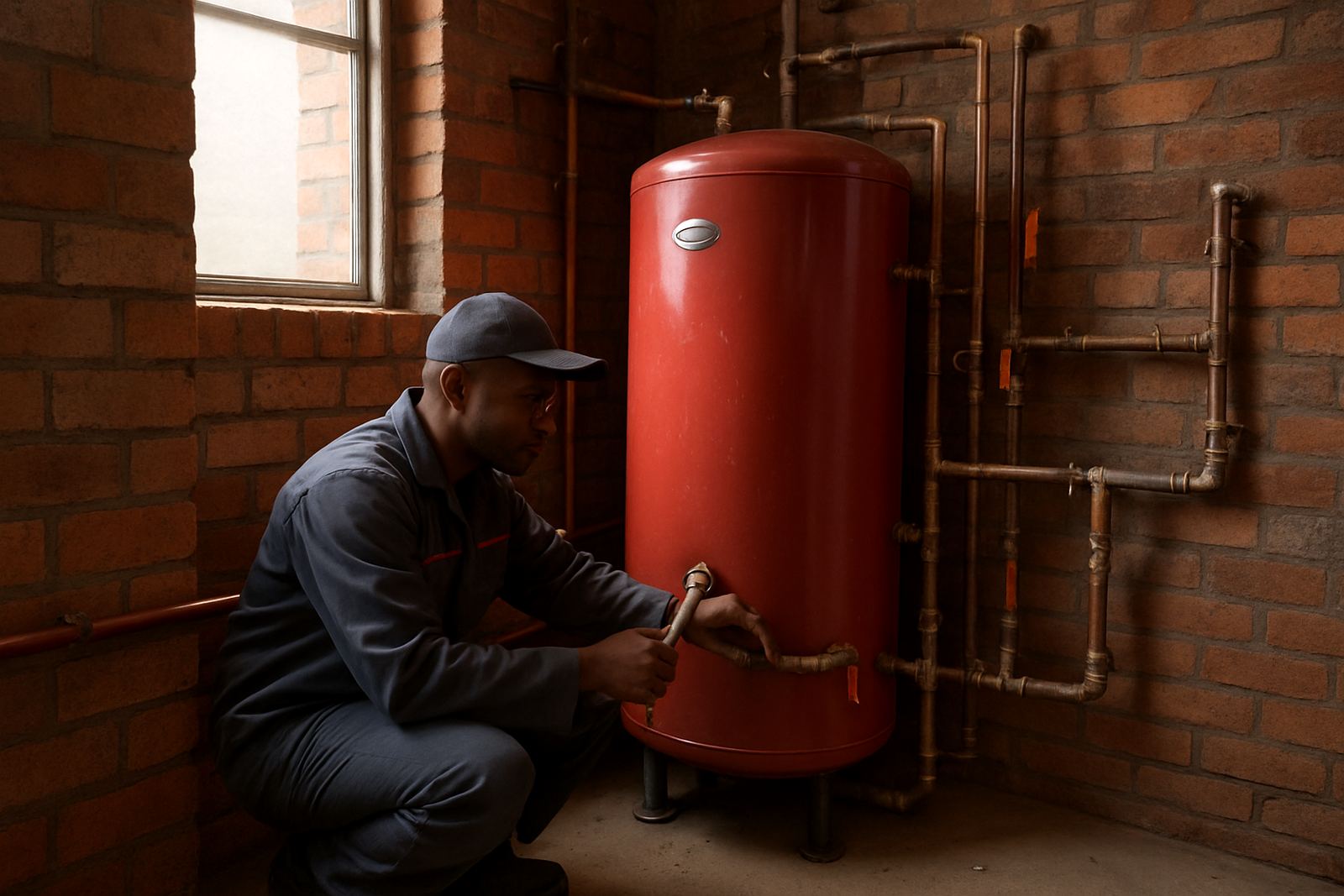
This is where water treatment support and routine inspection make a real difference. A calorifier that is sized correctly but neglected will still underperform. Annual checks should cover safety controls, temperature settings, sediment, sacrificial anodes where fitted, insulation condition and signs of leaks or corrosion. If the water quality is not managed, even a well chosen unit can lose capacity long before the end of its service life.
A simple Gauteng example that shows the cost of a bad assumption
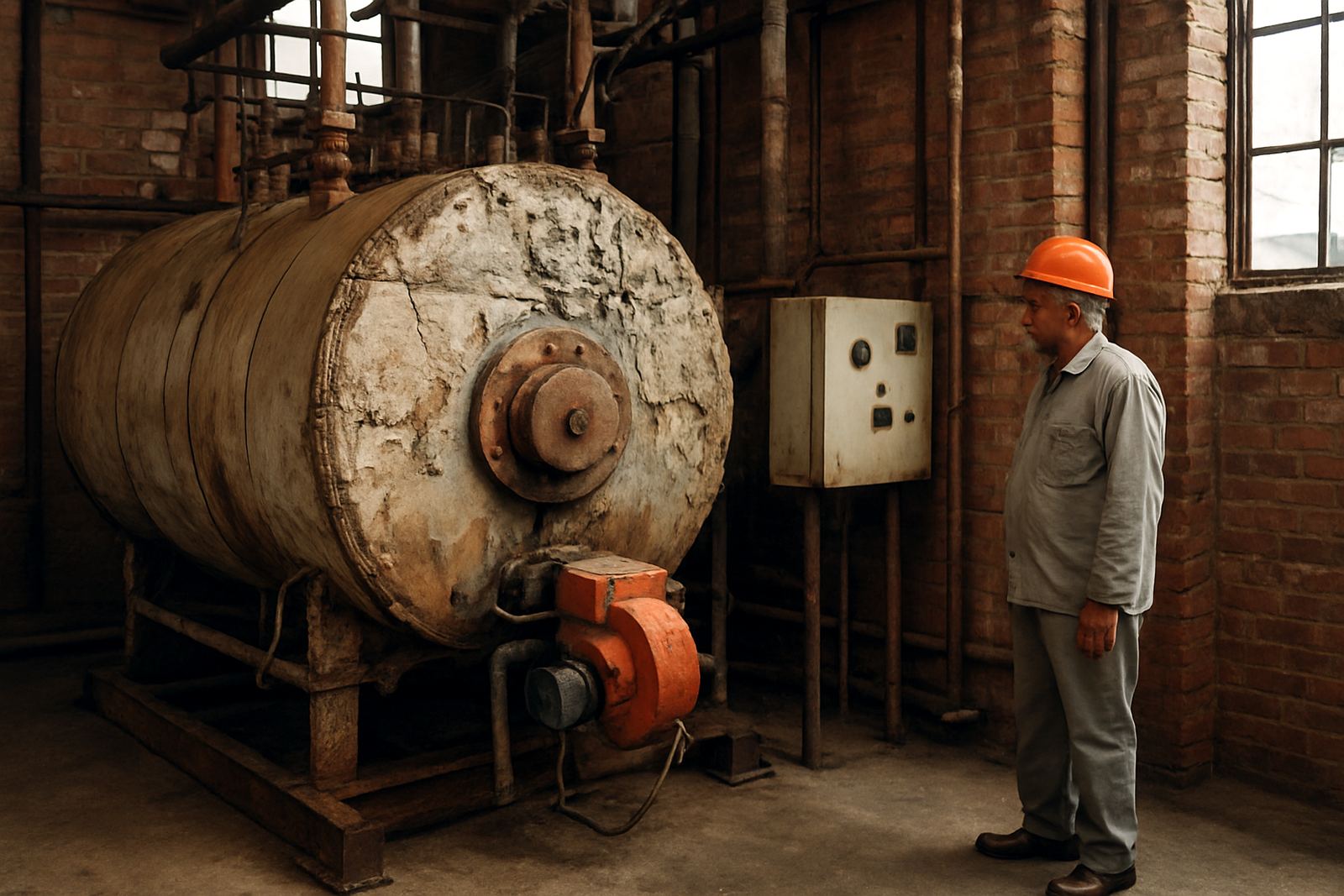
Consider a manufacturing site near Jet Park with two shift handovers and a canteen serving early breakfast. The original hot water unit was selected years ago for a smaller workforce. As the site expanded, showers and wash points were added but the calorifier size was never revisited. By 07:00 the water was lukewarm, production staff complained, and maintenance kept increasing thermostat settings to cope.
The problem was not solved by more temperature alone. The site needed a proper review of draw-off times, storage, recovery and pipe losses. Once the real demand was mapped, the right combination of capacity and heat input could be chosen. That saved the client from replacing equipment twice and from paying for excess electrical load that did not improve service.
This is the kind of mistake that costs twice. First in the wrong purchase, then in the repeat callouts, downtime and lost confidence from staff who need hot water to do their jobs.
What to ask before you sign off a calorifier order
Before any order is approved, the site team should have clear answers to the basic questions. What is the busiest hour. How many litres are actually needed. What inlet temperature should be allowed for winter. How far is the farthest draw-off point. Is the hot water for people, process work or both. Once those points are clear, the sizing choice becomes much easier and the risk of overspend drops.
It also helps to involve the people who service the plant, not only the people who buy it. A technician sees the practical issues that do not appear in a quote, such as access for cleaning, scale build-up, control faults and the effect of poor water treatment. That input can save a site from buying a unit that looks fine on paper but struggles in day-to-day use.
In short, good calorifier sizing is not about getting the biggest unit. It is about matching demand, recovery and maintenance reality to the way the site actually works.