Why hard water becomes a boiler problem
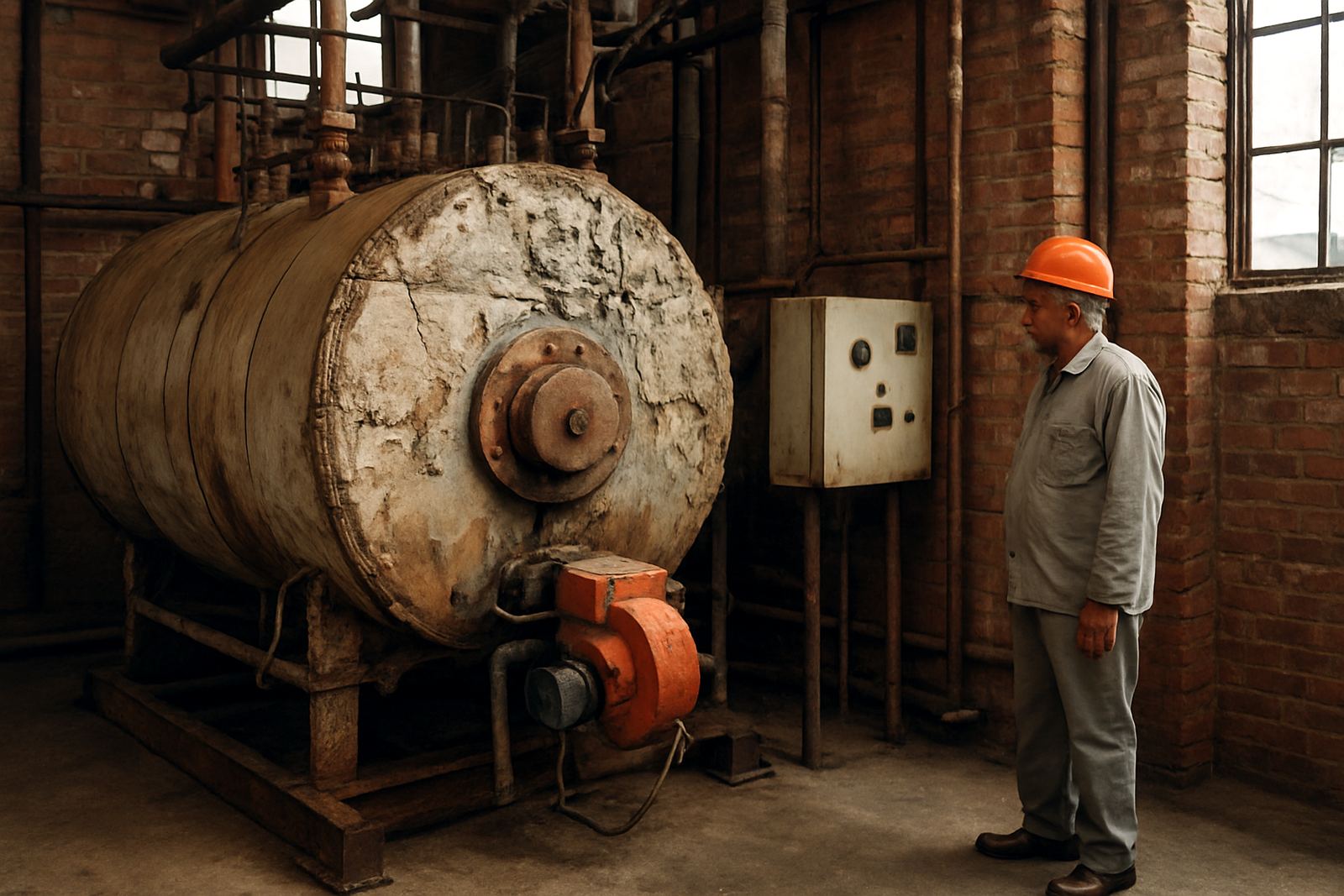
Most boiler plants in Gauteng do not run on perfect water. Borehole supply, municipal variation, and repeated top-up after blowdowns or leaks can all push hardness higher than the plant should accept. When calcium and magnesium stay in the water they turn into scale on heated surfaces, and that layer acts like insulation.
Even a thin film of scale forces the boiler to work harder. You see longer heat-up times, hotter metal surfaces and more fuel being burnt for the same steam or hot water output. In real plant rooms, that often shows up as short cycling, pressure swings, nuisance trips and a maintenance team that is always chasing the same fault.
For commercial and industrial users, the damage is not only inside the boiler. Hard water can also affect calorifiers, inline heaters, pumps, level controls and strainers. Once scale starts building, it does not stop neatly at one vessel.
When a softener is worth installing
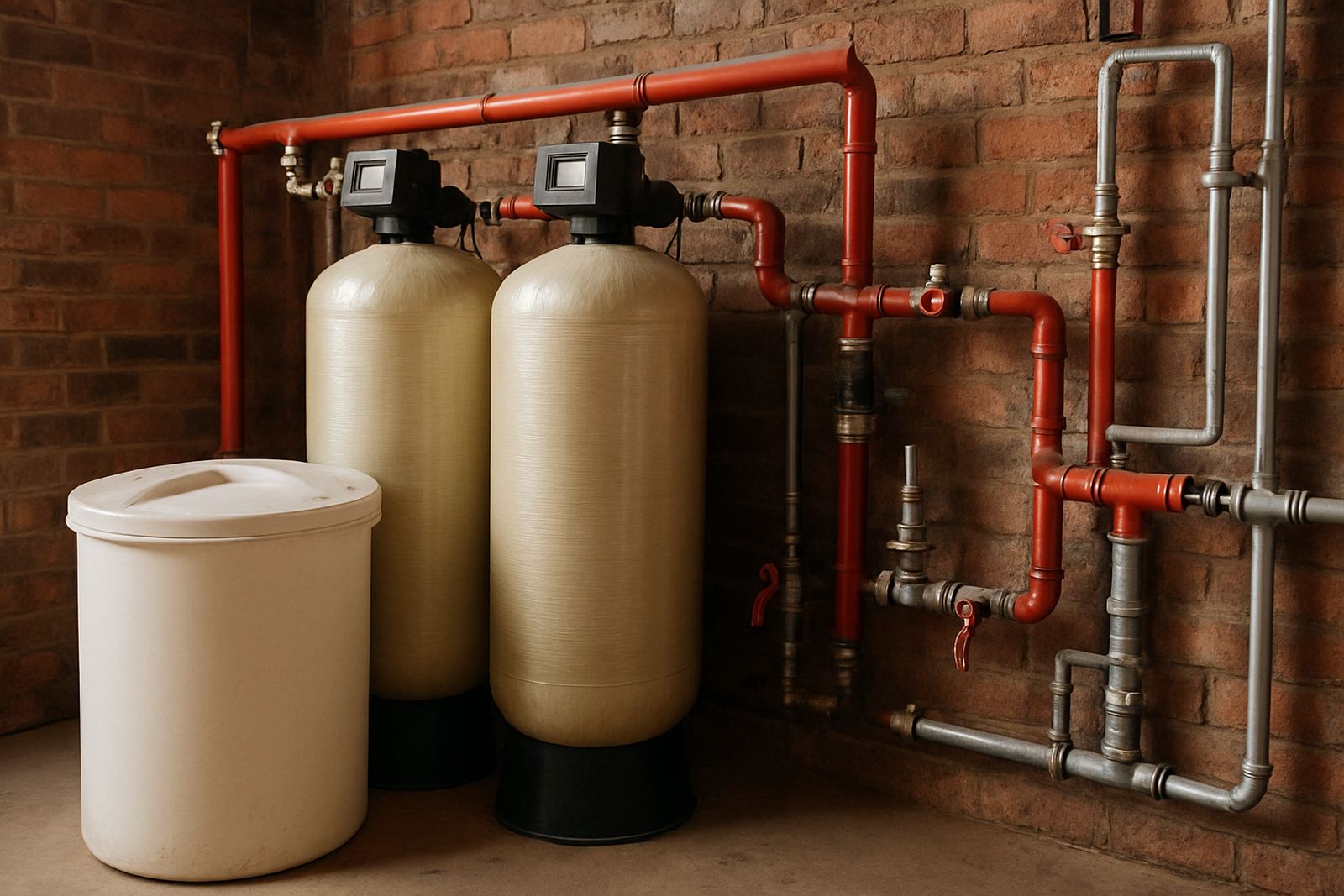
A softener is normally needed when the make-up water hardness is high enough to leave visible scale, or when the plant has repeated tube fouling, valve wear or heat transfer losses. If a site has frequent water replenishment, the need becomes stronger because every litre added brings fresh minerals into the system.
It is not only large factories that need one. A block of flats in Sandton, a laundry in Germiston, or a food process plant in Kempton Park can all benefit if the boiler room is carrying a steady load and water quality is not stable. The issue is simple: the more critical the heat plant, the less room there is for untreated water.
- Boilers with recurring scale on tubes or heat exchangers
- Sites using borehole water or mixed municipal supply
- Plants with regular blowdown and top-up volumes
- Hot water systems fed by calorifiers or inline heaters
- Premises where downtime is costly and repairs must be planned
Where a plant is small and only used seasonally, the decision may be different. A site visit, water test and load check will usually show whether a softener is essential or just a good safeguard.
What the softener protects in a boiler plant
A softener protects more than the boiler shell. It reduces scale on the areas where heat transfer happens fastest, and that keeps the plant efficient for longer. It also helps protect ancillary equipment that is often overlooked during fault finding.
In practice, that means less stress on burner components, less build-up in calorifier coils, cleaner inline heater elements and fewer blockages at strainers and narrow waterways. It also makes routine maintenance more predictable because technicians are not opening up the same scaled-up sections every few months.
- Boiler tubes and pressure parts
- Calorifier coils and storage vessels
- Inline heater elements and flow passages
- Pumps, valves and level control devices
- Blowdown lines and nearby pipework
There is also a safety angle. Heavy scale can create hot spots, and hot spots shorten the life of metal. On a plant that runs through winter or supports production after load-shedding, that matters. The cost of a softener is usually easier to justify than a forced shutdown or tube replacement.
How to tell if the water treatment is failing
When a softener is not working properly, the signs are usually plain if you know what to look for. A plant may still run for a while, but efficiency drops and the service calls start coming in closer together. In many cases the softener resin has exhausted, the regeneration cycle is set wrong, or the unit is undersized for the real demand.
Operators often notice one or more of these issues:
- White or chalky deposits in the boiler or hot water line
- Higher fuel use without a matching increase in output
- Longer warm-up periods after cold starts
- Intermittent pressure loss or flow restriction
- Frequent maintenance on heat exchangers and valves
If the plant room is on a tight schedule, do not wait for the next annual inspection before checking the softener. A quick hardness test at the outlet tells you a lot. If the reading has climbed, the boiler is already seeing the extra load.
A Gauteng example from the plant room floor
At a mid-sized site in Jet Park, the boiler was feeding both process hot water and a calorifier bank for staff ablutions. The team kept seeing hard crust on inspection points and the burner was using more gas than expected. After checking the water supply, the problem was traced to a softener that was not coping with the actual make-up volume. The plant was running fine on paper, but the water was slowly undoing the gains.
The fix was straightforward: correct sizing, a service check on the regeneration settings, and a maintenance routine that included hardness testing instead of only visual checks. Once that was done the scaling slowed right down and the boiler returned to a steadier operating pattern. It was not a dramatic repair, just proper control of the basics, which is often what saves the money.
That is the point for many South African sites. You do not need complicated treatment if the plant is small, but you do need water that matches the duty. Otherwise the system spends its life fighting deposits that should never have been there in the first place.
What good softener maintenance should include
A softener is not a fit and forget item. Like any part of a boiler plant it needs checking, especially where the water quality changes with season or municipal supply. In coastal humidity, in dusty industrial areas, or where power cuts interrupt normal plant operation, the service regime should be practical and regular.
- Routine hardness testing at the softener outlet
- Salt level checks and brine system inspection
- Resin condition review and flow test
- Regeneration cycle verification
- Matching the unit capacity to actual plant demand
If the plant includes boilers, calorifiers and inline heaters on the same water source, the treatment plan should cover all of them. A single weak point can let hardness through and undo the rest of the system. For busy sites in Boksburg, Pretoria, Midrand or across Gauteng, that usually means keeping water treatment tied to the normal service schedule rather than treating it as a separate job.
When the water is right, the whole plant runs easier. Heat transfer improves, maintenance drops, and the equipment lasts longer. That is why softeners are not just an accessory, they are part of protecting the plant itself.