Start With the Real Duty Cycle, Not the Nameplate Size
The first mistake many sites make is comparing boiler types only by kW or kg/h and stopping there. A school in Pretoria, a food plant in Germiston and a workshop in Boksburg may all need hot water or steam, but their hours, peak loads and standby expectations are very different. If the plant runs only a few hours a day, an electric unit can make sense. If it runs long shifts or needs high output for washdown, process heat or winter starts, fuel often gives better operating flexibility.
Think about how the plant is used in real life. Is the boiler carrying a steady base load or cycling up and down with batch production? Does the site need fast recovery after a shutdown? Is there one boiler or a duty-standby pair? Those answers matter more than the brochure rating. Load-shedding also changes the picture in Gauteng, because a boiler that depends fully on grid power may be clean on paper but difficult to rely on when production must keep moving.
Electric Boilers: Simple On Site, Higher Pressure on Eskom Capacity
Electric boilers are attractive where space is tight and emissions on site must be kept low. There is no flue, no fuel storage and less day-to-day combustion maintenance. That simplifies installation in a small plant room, and it can suit sites with strict municipal or landlord rules around exhaust routing. For modern buildings in Sandton or Midrand, that cleaner footprint can be a practical advantage.
The trade-off is electrical supply. If the supply transformer, switchgear or incoming service is already heavily loaded, an electric boiler can force an expensive upgrade. It also needs careful control gear, correct cable sizing and proper protection against voltage dips. In some facilities the unit looks cheap to install, then the distribution board changes, demand charges and backup power planning push up the real cost.
- Lower local emissions and no fuel tank or gas line.
- Fast control response, especially for variable heat demand.
- Less combustion servicing, but more dependence on stable electrical supply.
- Best suited to sites with spare electrical capacity and predictable load patterns.
Fuel Boilers: More Infrastructure, Better for Heavy or Unstable Loads
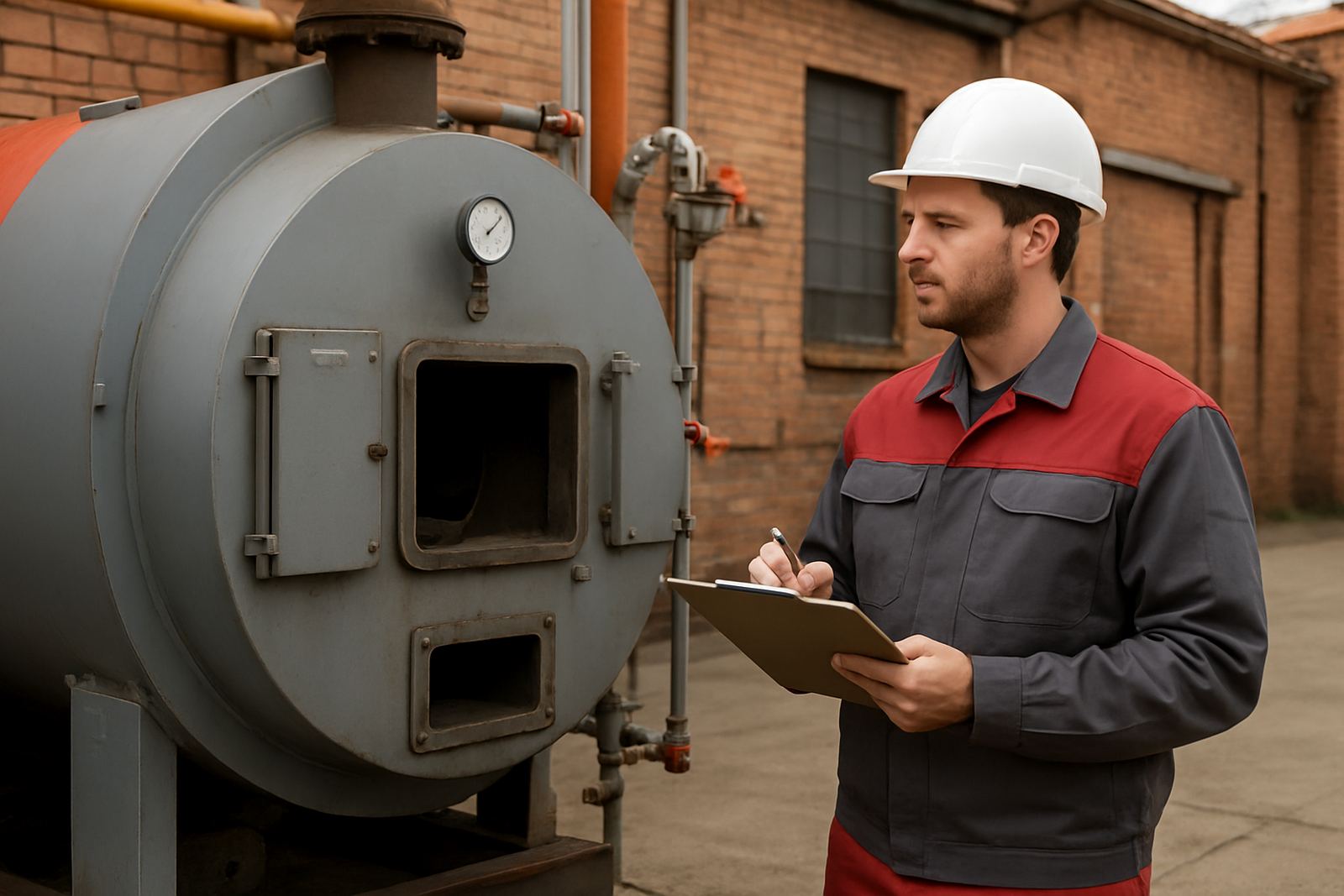
Fuel-fired boilers, whether they run on diesel, gas or another approved fuel, ask more from the site at installation. You need the storage, pipework, burners, ventilation, combustion air, flue route and compliant fire precautions. In return, you get a system that can handle bigger loads without leaning on the electrical board. For manufacturing, laundries, kitchens and plants with strong steam demand, that matters.
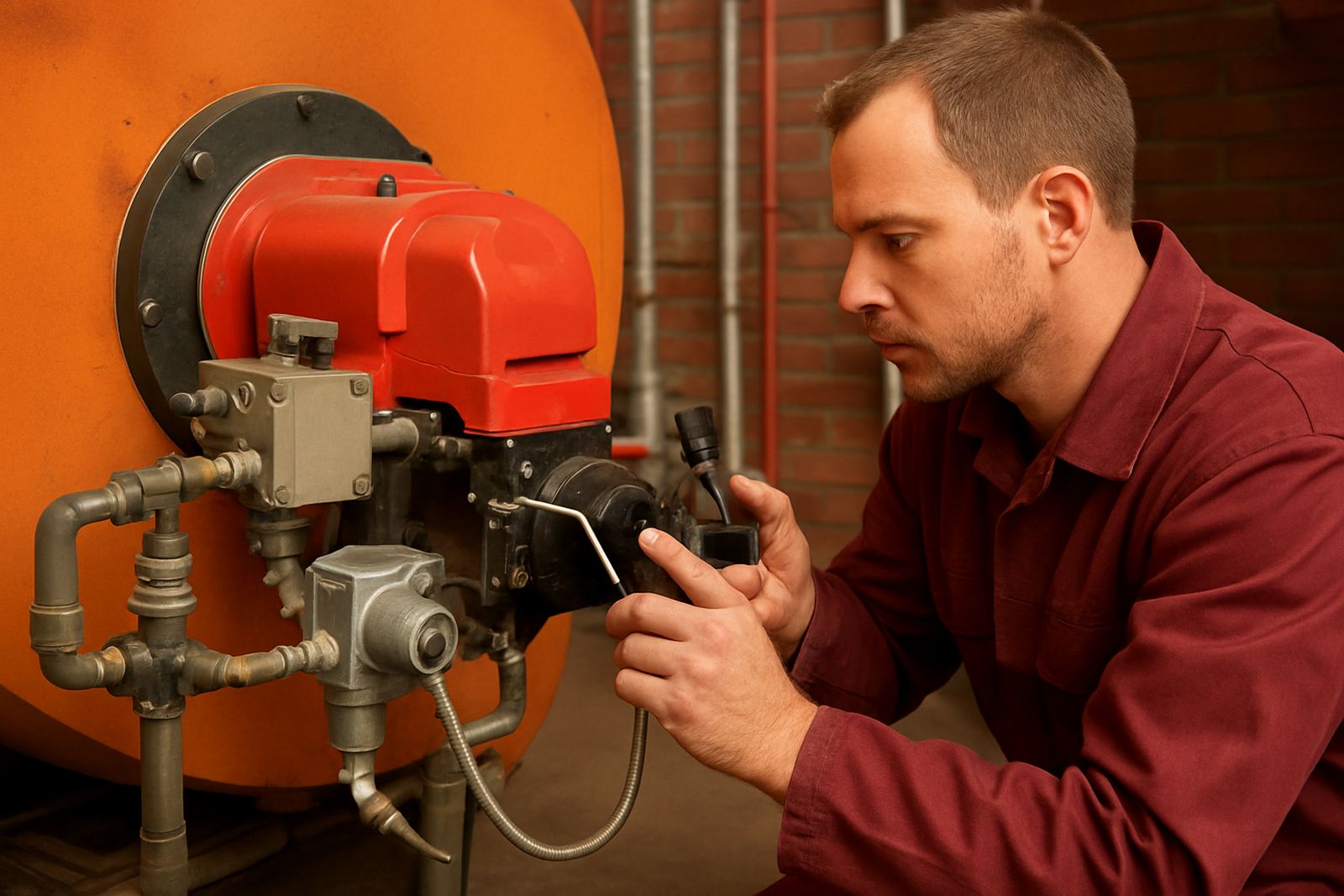
Fuel boilers are often the better answer where the process cannot stop every time the power network wobbles. They can also be easier to justify where heat demand is large and continuous. In a Germiston warehouse with wash bays and process lines, for example, a fuel boiler may cost more to install but end up cheaper over a full year if the duty cycle is high enough. The important point is that fuel systems need disciplined maintenance. Burner setup, combustion tuning and water treatment all affect running cost. A boiler that is poorly tuned will burn more than it should and can also foul faster.
- Better for high duty cycles and larger steam or hot water loads.
- Less exposed to electrical capacity limits.
- Needs proper fuel storage, ventilation and flue arrangements.
- Requires regular combustion checks, cleaning and safety inspections.
Running Costs Are Not Just the Fuel Bill
Too many buyers compare tariff against litre price and stop there. Real running cost includes maintenance, downtime, water quality, control stability and how often the unit has to recover after shutdowns. A boiler that is cheap to power but prone to scale build-up can become expensive very quickly. In coastal areas corrosion risk rises as well, so a unit in Durban or Port Elizabeth may need different care from one in inland Gauteng.
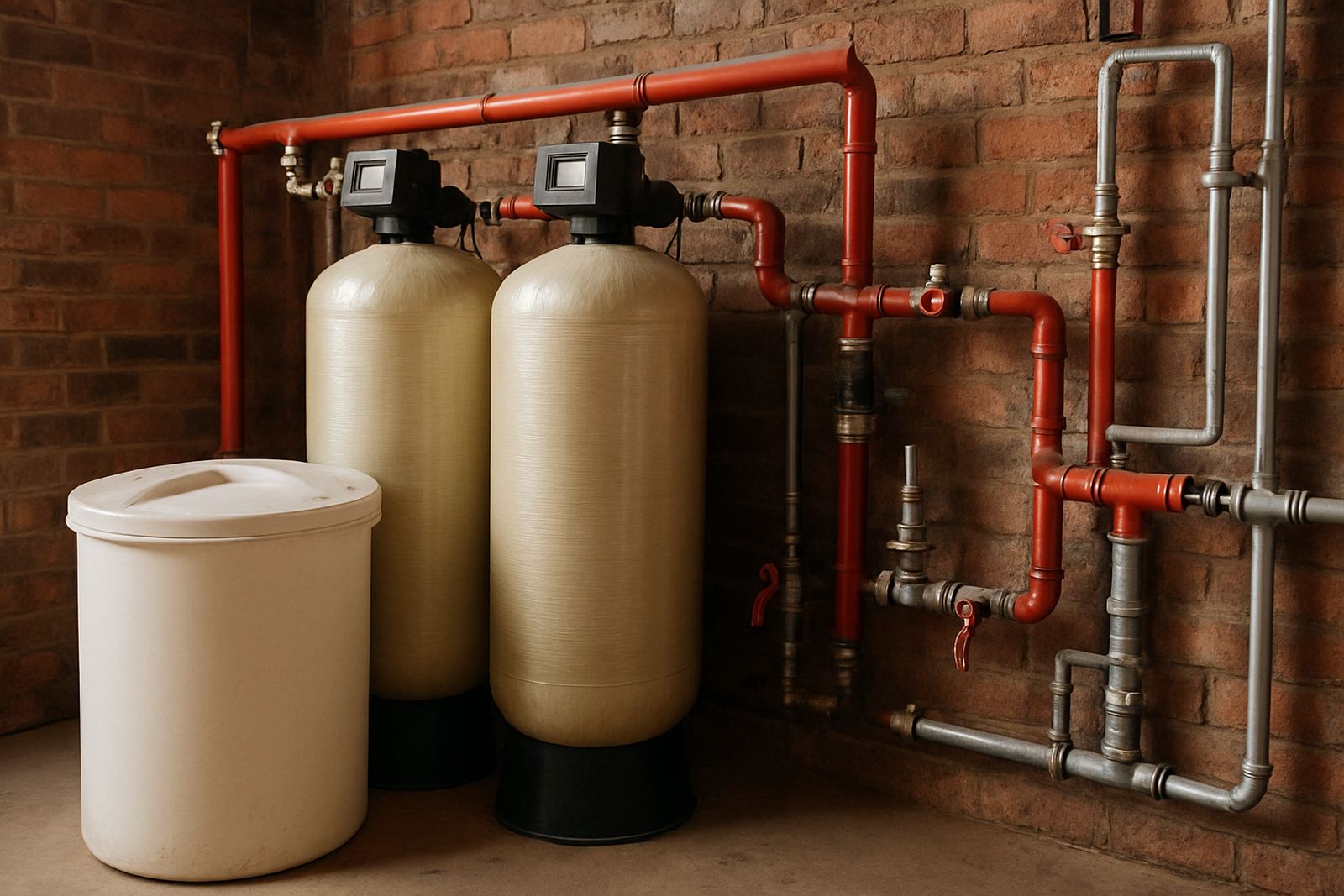
Water treatment support often changes the economics more than people expect. Poor feedwater causes scaling, inefficient heat transfer and shorter tube life. That means more fuel or electricity for the same output. Add in false trips, failed elements, burner lockouts or pressure issues and the maintenance bill grows. The best choice is the one that fits the site and stays in service with fewer surprises, not the one with the lowest sticker price.
For many plants the monthly question should be simple: which boiler type gives the most predictable cost per hour at this specific site? If the answer changes in winter, during peak production or when load-shedding hits, then the site needs a clearer operating plan before the order is placed.
Controls, Response and Operator Handling
Electric boilers usually give very direct control. They respond quickly to set-point changes and can be easier to match to a tightly controlled process. That makes them useful where temperature stability matters and the load shifts often through the day. Fuel boilers have more moving parts in the control system, but they can still be managed well if the burner, pressure controls and sequencing are set up correctly.
Operator handling is another point worth considering. A good control panel should be readable, with alarms that make sense and interlocks that protect the plant. If the staff changes often, simpler operating logic helps. If the boiler is tied into a larger plant, then the control philosophy must suit the rest of the process, not just the boiler room. In practice, the best results come from a plant that has clear setpoints, known shutdown steps and a written response for trips.
A Practical Gauteng Example: Factory Expansion in Boksburg
Take a light manufacturing site in Boksburg that is expanding its washdown and process heating capacity. The client wants better control, fewer breakdowns and lower fuel use, but the electrical intake is already close to capacity. In that case an electric boiler may look attractive, yet the upgrade to the supply could be costly and slow. A fuel boiler, properly installed with the right flue and controls, may give the site a better balance between capital cost and operating certainty.
If the same client only needed small, intermittent hot water production for a cleanroom or staff wash area, electric might be the better answer. That is why a site survey matters. Boiler choice should follow the load profile, the available services and the maintenance plan. It should also account for local factors like municipal inspection timing, plant room access and whether the site can support emergency callouts after hours.
At Ai-TEC we see this often across Gauteng. The right answer is usually not the one that sounds simplest, but the one that holds up when the plant is busy and the weather, power supply or production schedule changes.
Choose for the Site You Have, Not the One on Paper
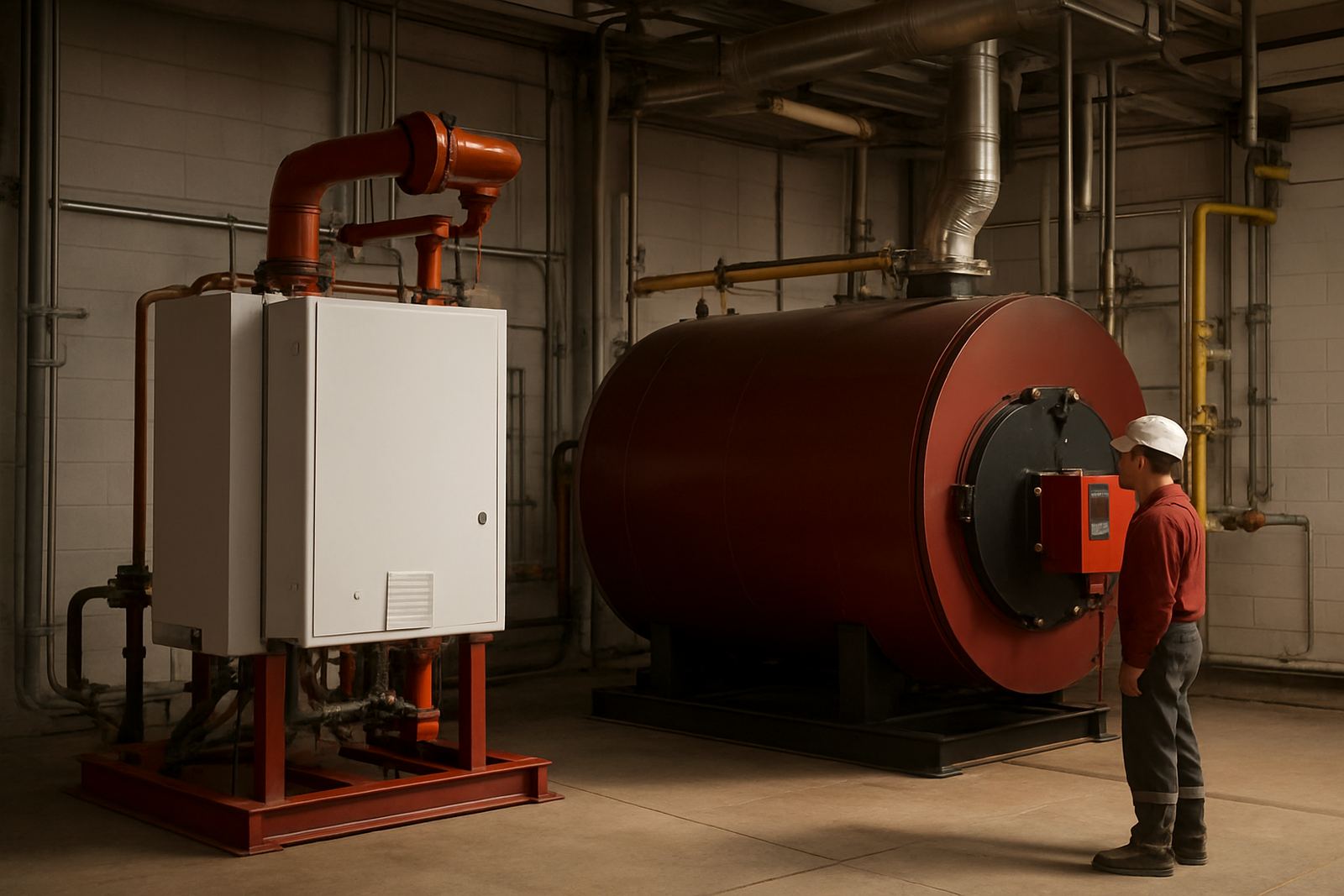
Electric and fuel boilers both have a place. Electric suits sites with spare capacity, tighter emission control and steadier, lower output needs. Fuel suits heavier loads, longer operating hours and plants that cannot rely on electrical headroom alone. Once the installation details, maintenance access and operating pattern are clear, the choice becomes much easier.
If your site is planning an upgrade, refurbishment or replacement, start with the real load, the available services and the maintenance support you can keep year after year. That approach gives a better result than choosing by habit.