Start With the Plant You Are Actually Shutting Down
Before anyone opens a manway or pulls a burner off line, list the exact equipment in scope. A boiler shutdown is not the same as a calorifier service, and an inline heater on a wash line will need different spares, access and isolation points. If you only write “annual shutdown”, the crew arrives with the wrong gaskets, the wrong valves and too little time.
For Gauteng sites, many shutdowns are booked around school holidays, month-end stock takes or quiet production weekends. At a factory in Germiston, for example, we often see the steam plant, hot water set and air side auxiliaries all tied into one production process. If one unit is delayed, the whole line sits idle. The first checklist item is simple: know what must be back in service by what time.
- List each item of plant by tag number, location and duty.
- Confirm the shutdown window in hours, not just dates.
- Check whether the plant feeds production, sanitation, heating or process water.
- Note any load-shedding backup, bypass lines or temporary arrangements.
Lock Out, Drain Down and Make It Safe to Touch
Safety is not a paper exercise. Heat plant holds pressure, hot water and stored energy long after the burner is off. The team should isolate electricity, fuel, feedwater and discharge lines, then prove that the system is safe before work starts. That includes checking for hot surfaces, trapped pressure and residual gases.
In coastal areas the risks change a little because damp air and salt can hide corrosion under lagging and around flanges. Inland in places like Pretoria or Midrand, dust and dry weather often mean seized fasteners and cracked seals. Either way, a proper shutdown begins with controlled isolation and clear permit control.
- Apply lock-out and tag-out on all energy sources.
- Drain and vent in the correct sequence.
- Test for zero pressure and safe temperature before entry.
- Mark out hot work zones, wet floors and lifting areas.
Inspect the Parts That Fail Quietly
The worst shutdown faults are the ones nobody notices during normal operation. Scale on heating surfaces, weak refractory, leaking valves and fouled strainers usually show up only when the plant is opened. This is where a good shutdown pays for itself, because you can see the condition of the equipment instead of guessing from the last service date.
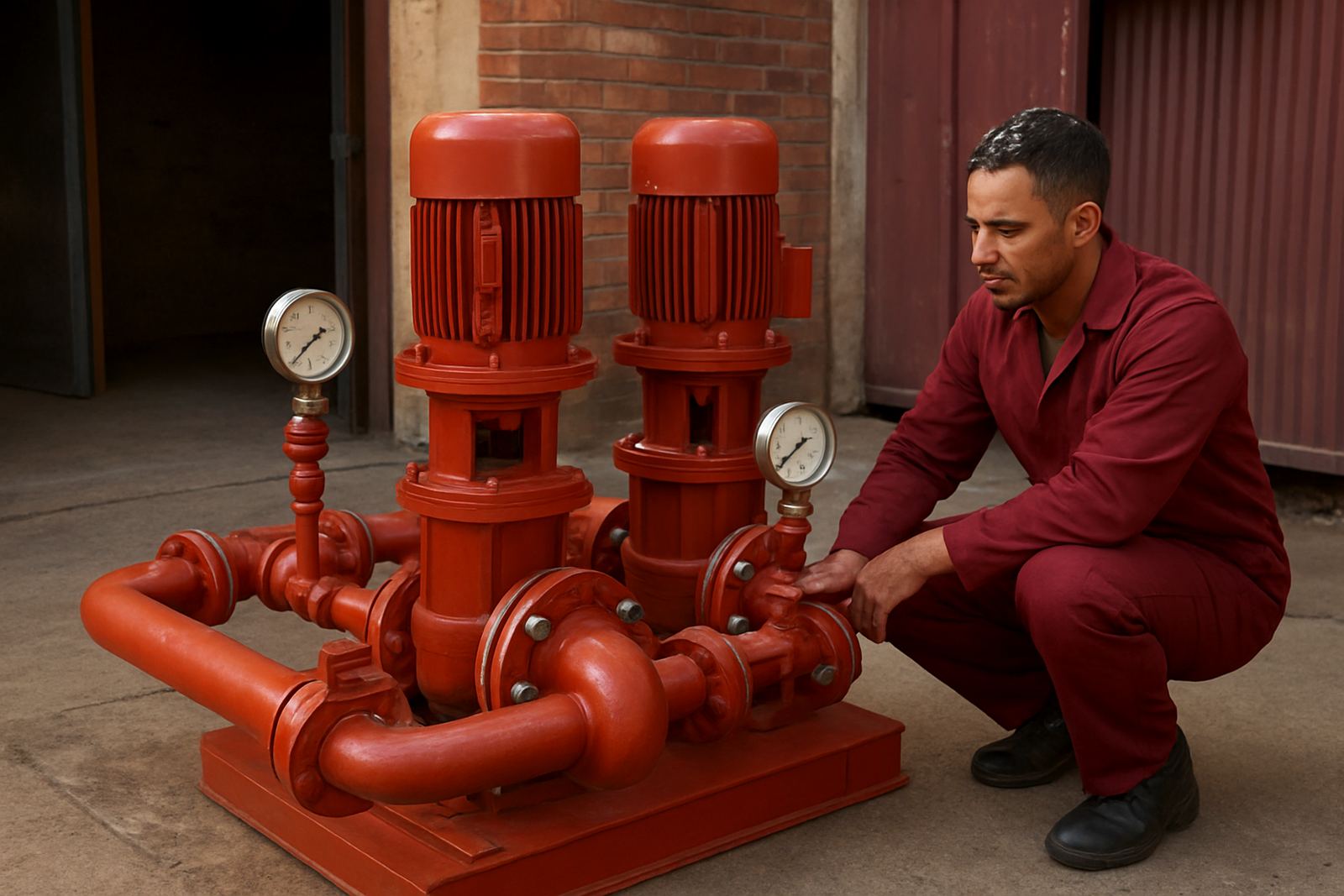
For boilers, pay attention to tubes, door seals, burner condition, controls and water treatment history. For calorifiers, look at sacrificial anodes, corrosion points and temperature control. Inline heaters and incinerators need the same disciplined eye, especially where high cycling or poor feedwater quality has been a problem.
- Check for scale, sludge and pitting in wet sections.
- Inspect refractory, seals and insulation for cracks or breakage.
- Look for soot, poor flame shape and signs of incomplete combustion.
- Record leaks, vibration, loose clamps and worn electrical terminations.
Do Not Skip Combustion and Water Treatment Checks
Many shutdowns focus on the visible metal work and ignore the two systems that decide how long the plant will last: combustion and water quality. A burner that has drifted out of tune can waste fuel for months before anyone notices. Poor water treatment will slowly ruin tubes, plates and vessels, then the shutdown team gets blamed for a fault that started long before the plant stopped.
Combustion tuning should be done with proper instruments and recorded readings, not by ear. Water treatment support should include blowdown review, chemical dosing checks and a look at make-up water quality. If the site has had frequent callouts, the shutdown is the right time to reset the basics rather than patching another symptom.
- Record O2, CO, flue gas temperature and burner settings.
- Check chemical dosing and test results against plant history.
- Review blowdown routines and feedwater temperature.
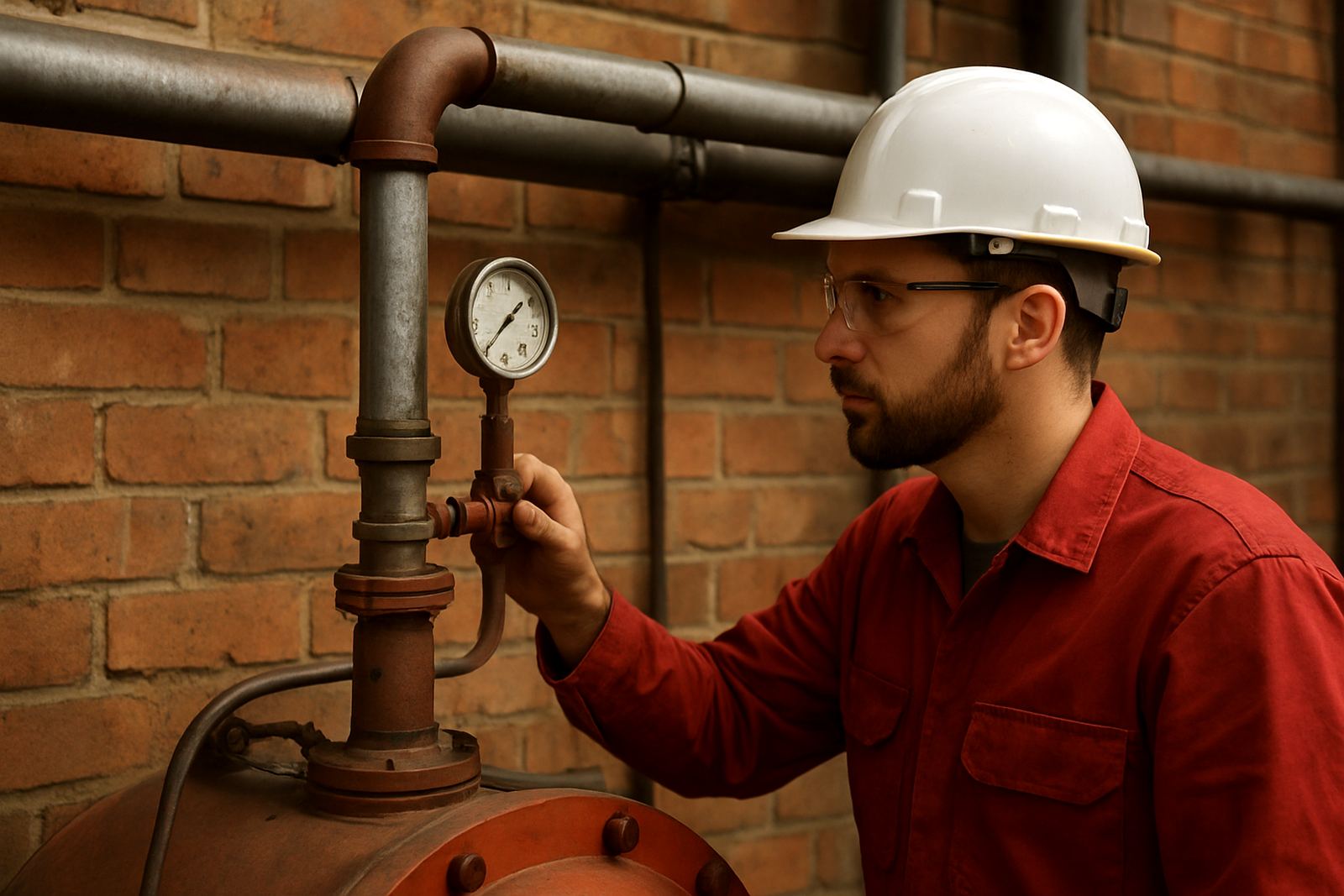
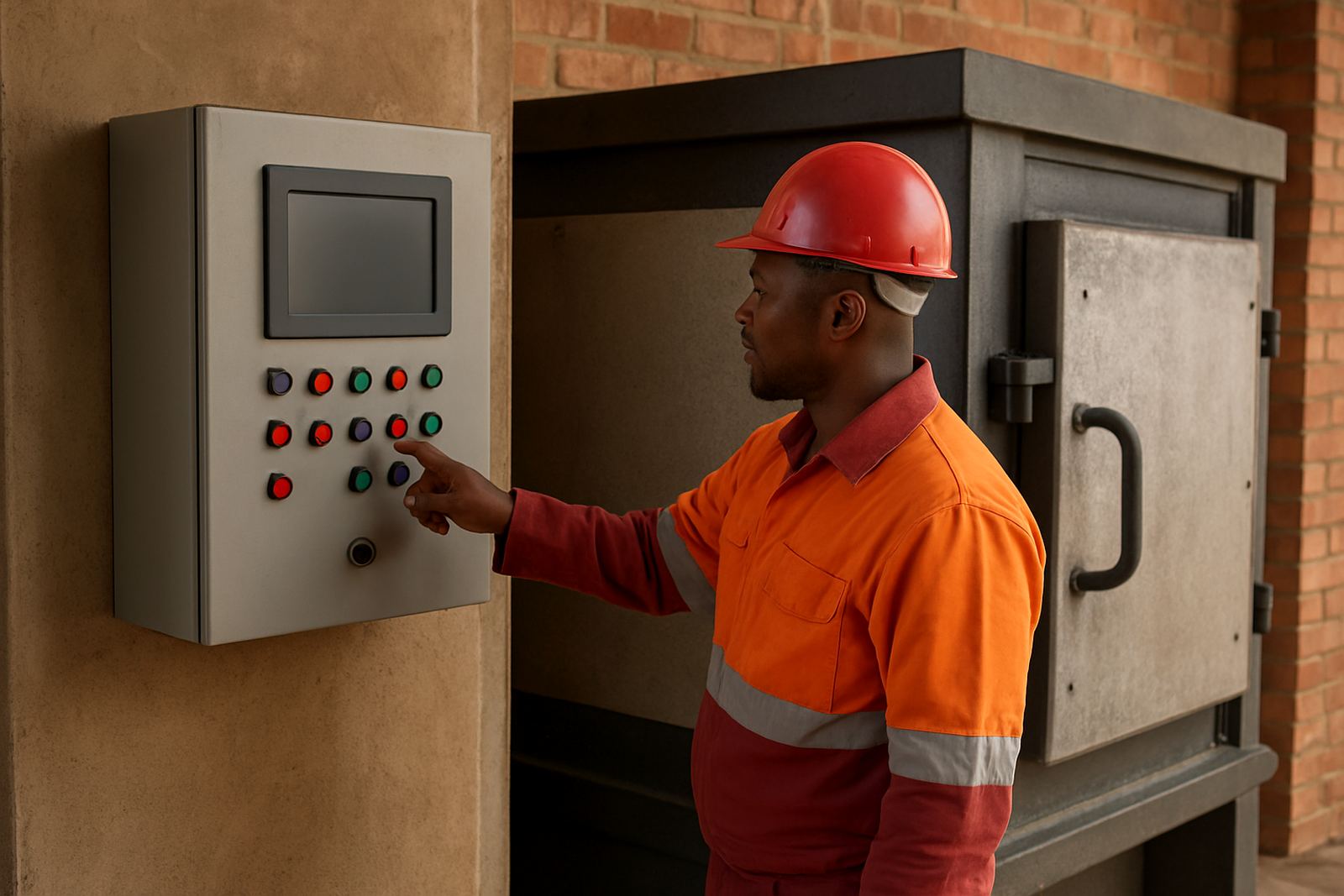
- Confirm that gauges, probes and interlocks are reading correctly.
Plan Spares, Labour and Access Before the First Bolt Comes Off
Nothing stretches a shutdown like waiting for one gasket or one valve seat. Good planning means the workshop, stores and service crew know what is needed before the plant stops. If a fabrication repair is likely, get drawings, dimensions and welding requirements lined up early. If scaffolding or a lifting plan is needed, book it before the shutdown week starts.
A site in Boksburg once lost nearly half a day because the access hatch was too small for the replacement part and the team had not checked the measurement. It is the kind of delay that happens when the checklist is just a list of jobs and not a plan for getting them done.
- Confirm all spares, seals and consumables on site.
- Book contractors for lifting, electrical, welding and insulation if needed.
- Measure access routes, doors and hatches before delivery.
- Assign one person to sign off each completed task.
Close Out With Testing, Records and a Real Start-Up
The shutdown is not finished when the covers go back on. The last step is testing the plant under controlled conditions and logging what was done. That means leak checks, safety device tests, combustion checks and a slow return to service. If the team rushes the start-up, small mistakes turn into nuisance trips or, worse, damage on day one.
After start-up, write down the readings, parts replaced and any items that still need attention. This record helps with the next annual inspection and gives the operations team a proper history. It also makes it easier to spot repeat faults at branch sites in Kempton Park, Sandton, Pretoria or anywhere else the plant is running hard.
For managers, the best shutdown checklist is not the thickest one. It is the one that matches the plant, the time available and the people on site, then gets signed off properly before everyone walks away.