What a safety valve is telling you when it lifts
Safety valves are fitted to protect pressure equipment from over-pressure. When one lifts, steam or hot water is discharged so the system does not exceed its safe working limit. That discharge may last a second, or it may keep feathering, chattering or opening fully. In both cases, the valve is giving you a warning that needs attention, not just a quick reset.
On commercial boilers, calorifiers and inline heaters, the valve should only open when pressure climbs above the set point. If it is lifting during normal operation, the cause is often linked to pressure control, temperature control, water level, or a restriction somewhere in the plant. Before changing parts, check the operating conditions and the recent history of the system. A valve can be perfectly serviceable and still lift because the plant around it is not behaving as it should.
The first site checks to make before you strip anything
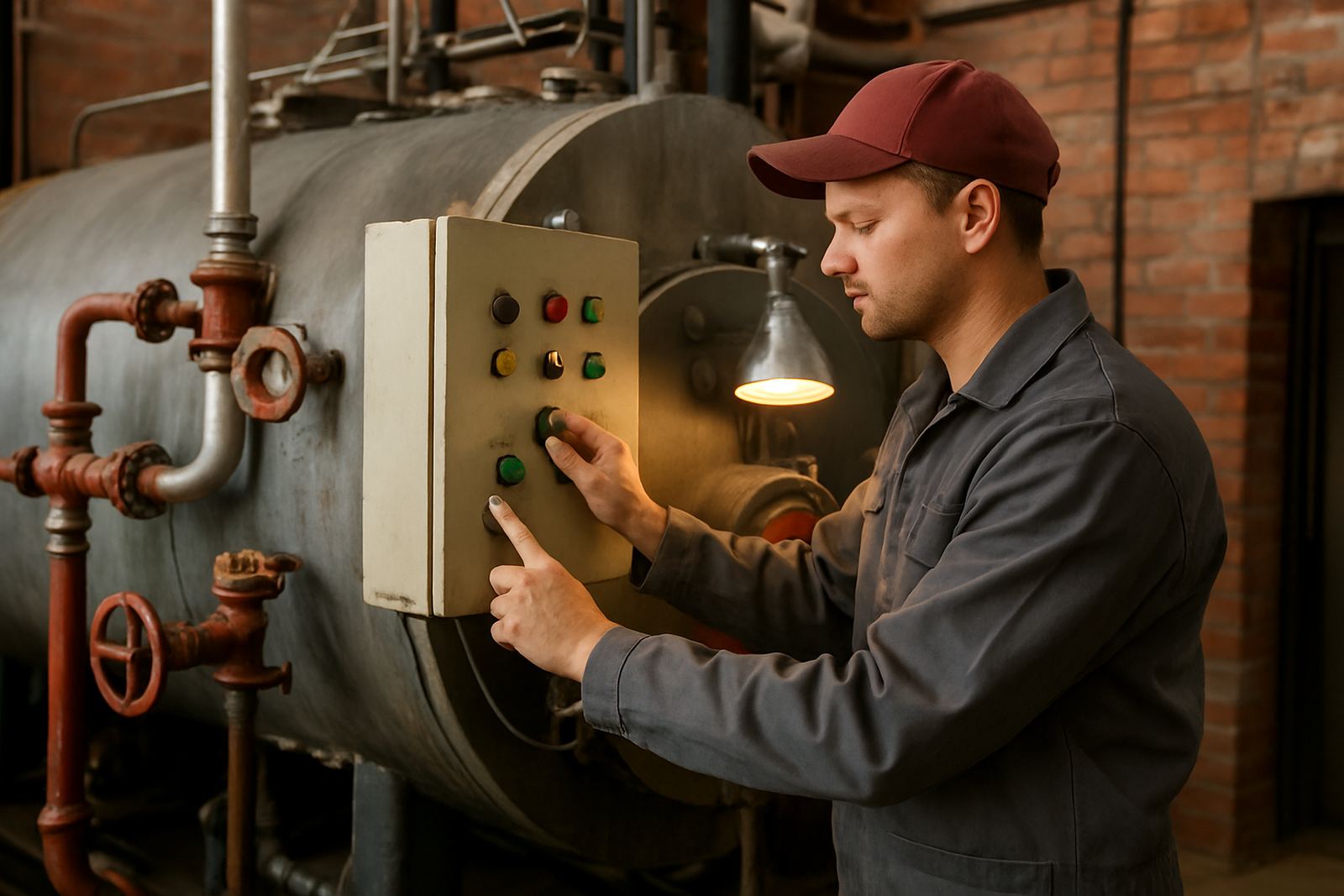
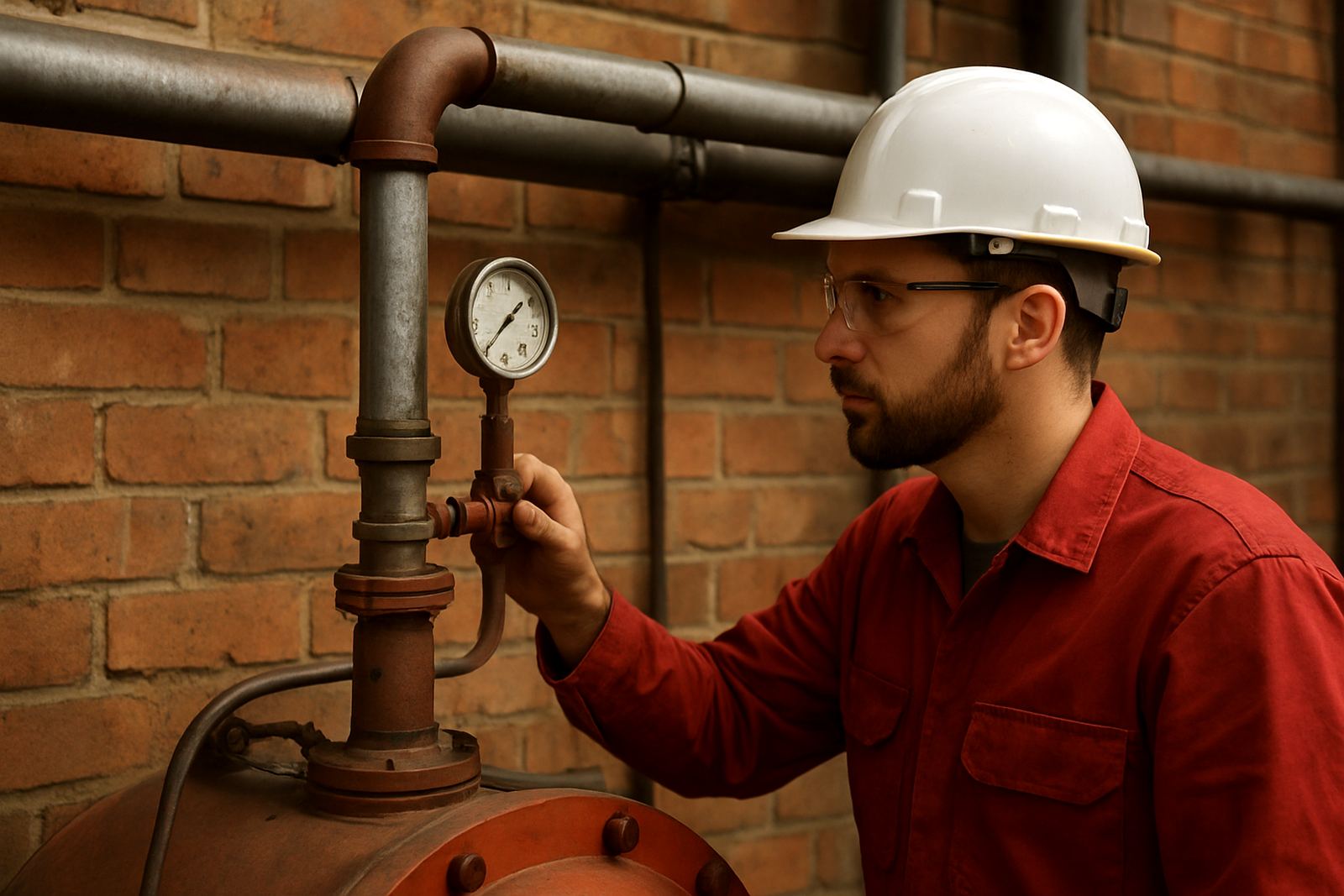
Start with the basics. Look at the gauge, the controller, the burner run pattern and any alarms on the panel. Check whether the discharge happens on start-up, during peak demand, after a power failure, or only at certain times of day. In many Gauteng sites, lift complaints show up after load-shedding because pumps stop, controls reset, and the boiler returns to full fire before the rest of the system has recovered.
- Confirm the pressure reading against a second gauge if one is fitted.
- Check that the pressure control is not hunting or set too high.
- Look for closed valves, blocked strainers or a stuck non-return valve.
- Inspect the discharge line for restriction, freezing risk or back pressure.
- Ask when the valve was last tested, serviced or resealed.
If there is visible scale around the valve seat or discharge pipe, do not assume the valve itself is the only problem. Scale, debris and poor water quality can all affect how the system comes up to pressure. In coastal conditions, corrosion on the spring housing and fittings can also shorten service life, even if the plant is inland for most of the year.
Common reasons a safety valve keeps lifting
The most common cause is excess pressure. That can come from a faulty pressure switch, incorrect control settings, a burner that is firing harder than the system can handle, or a thermal expansion issue on a closed water circuit. If the water in the vessel has no place to expand, pressure rises quickly and the valve opens to protect the plant.
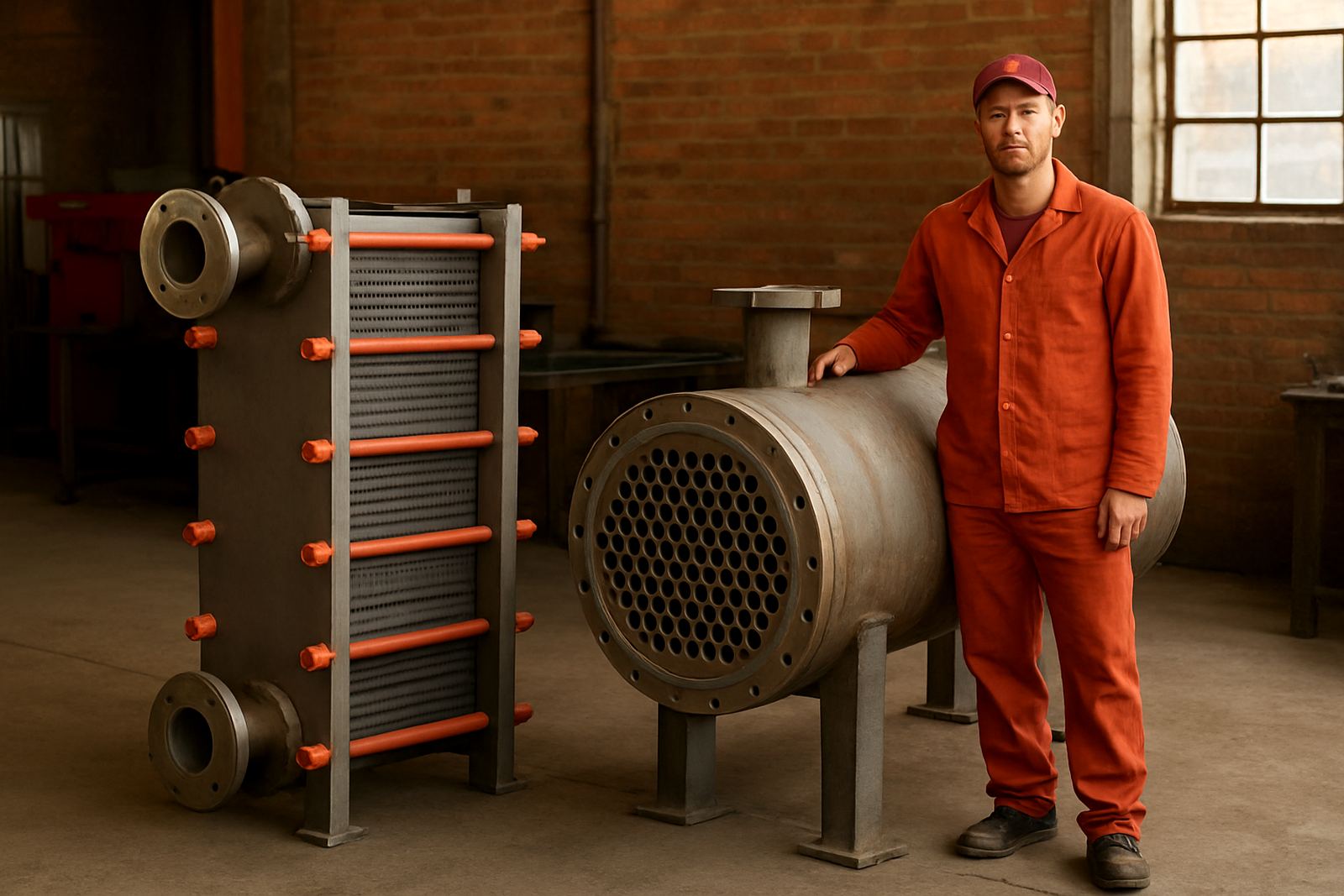
Another frequent cause is poor circulation. A pump fault, air lock, blocked heat exchanger or closed isolation valve can cause local overheating. The gauge may not always show the full picture, because the hottest point in the system can be much higher than the reading at the panel. On calorifiers, a failed thermostatic control or an undersized expansion arrangement can trigger repeated discharge at the safety valve.
Steam boilers can lift for different reasons. Low-water events, carryover, unstable firing or a faulty pressuretrol can all cause pressure swings. If the valve is chattering, the set pressure may be correct but the system is fluctuating too fast. That often means the underlying control problem is still there.
- Faulty pressure controls or mis-set operating limits.
- Blocked heat transfer surfaces causing local overheating.
- Expansion vessel problems on hot water systems.
- Scale build-up, corrosion or debris at the valve seat.
- Valve wear after repeated lifting and reseating.
- Back pressure or restriction on the discharge line.
When the valve is not the real fault
It is tempting to blame the valve first, but repeated lifting usually points to a system issue. A safety valve can wear out after years of service, especially if it has been lifting often, yet replacing it without checking the cause only gives you a short reprieve. The next lift will be back, and sometimes worse.
We see this often on older plant in industrial areas around Boksburg, Germiston and Kempton Park, where production cannot stop for long. A factory may report a noisy valve on Monday morning, but the pressure rise started on Friday when a pump tripped and the system was left cycling over the weekend. By the time maintenance arrives, the plant has already lost steam efficiency and the operator has been working around the fault.
In that kind of case, the safest first step is to isolate the cause, not just the symptom. Verify the controls, check the water treatment record, inspect the circulation path and confirm that the valve is correctly sized for the duty. If the valve opens too close to normal working pressure, or the plant has been altered since installation, it may no longer suit the current load.
Why water treatment and maintenance history matter
Water quality has a direct effect on how often pressure equipment gives trouble. Hard water, oxygen ingress and poor chemical control leave scale on tube surfaces and inside heat exchangers. That scale holds heat, which pushes pressure up and can make the valve lift sooner than expected. In boiler houses with poor blowdown discipline, sludge and solids add to the problem.
Maintenance history matters just as much. If a safety valve has not been lifted manually, serviced and tested at the required interval, there is no guarantee that it will seat properly after a real event. Springs weaken, seats pit and discharge lines corrode. In humid and coastal areas, even stored spare valves can deteriorate if they are kept in the wrong conditions. On a commercial site, that kind of small neglect can turn into downtime during a busy production shift.
Annual inspection records should show whether the valve was tested, resealed and reinstalled correctly. They should also show if any changes were made to burner output, pump duty, vessel size or process demand. A plant that worked properly two years ago may now be operating beyond its original margin.
A practical checklist before you call for repairs
If a safety valve has lifted once, keep the plant under watch until you know why. Do not keep resetting the system and hoping it settles down. A short discharge can become a repeated loss of pressure, hot water or steam, which wastes energy and increases wear on the whole installation.
Use this on-site checklist before arranging repairs:
- Confirm the actual pressure against the design and set point.
- Check pump operation, control settings and alarms.
- Inspect the discharge pipe for blockage or abnormal back pressure.
- Look for scale, corrosion or debris around the valve outlet.
- Review recent load changes, outages or operator adjustments.
- Record when the valve lifted and how long it discharged.
If the fault returns after these checks, the plant needs a proper technical inspection. That may include combustion tuning, valve testing, refractory checks, water treatment review or a broader refurbishment plan. On larger sites in Pretoria, Midrand and Sandton, the right response is often a coordinated one, because pressure faults are rarely isolated for long.
A local example from a busy plant room
At a Gauteng manufacturing site, a boiler safety valve was lifting every afternoon just after tea break. The operator had already replaced the valve once, but the discharge kept coming back. On inspection, the burner was firing at full rate after a brief shutdown, while a circulation pump on another loop had been tripping intermittently. The gauge looked acceptable, but a blocked strainer and a tired control setting were pushing the plant into over-pressure for a short period each day.
Once the strainer was cleared, the control settings were checked and the system was rebalanced, the valve stopped lifting. The lesson was simple. The valve was not the root cause, it was the warning. That is why the first look on site should always cover the pressure path, the controls and the water side, not just the valve body itself.
If your plant is lifting valves more than once, treat it as a pressure system issue and not a minor nuisance. The sooner the cause is found, the lower the risk of damage, lost production and unplanned callouts.