Why a proper service trail matters on plant
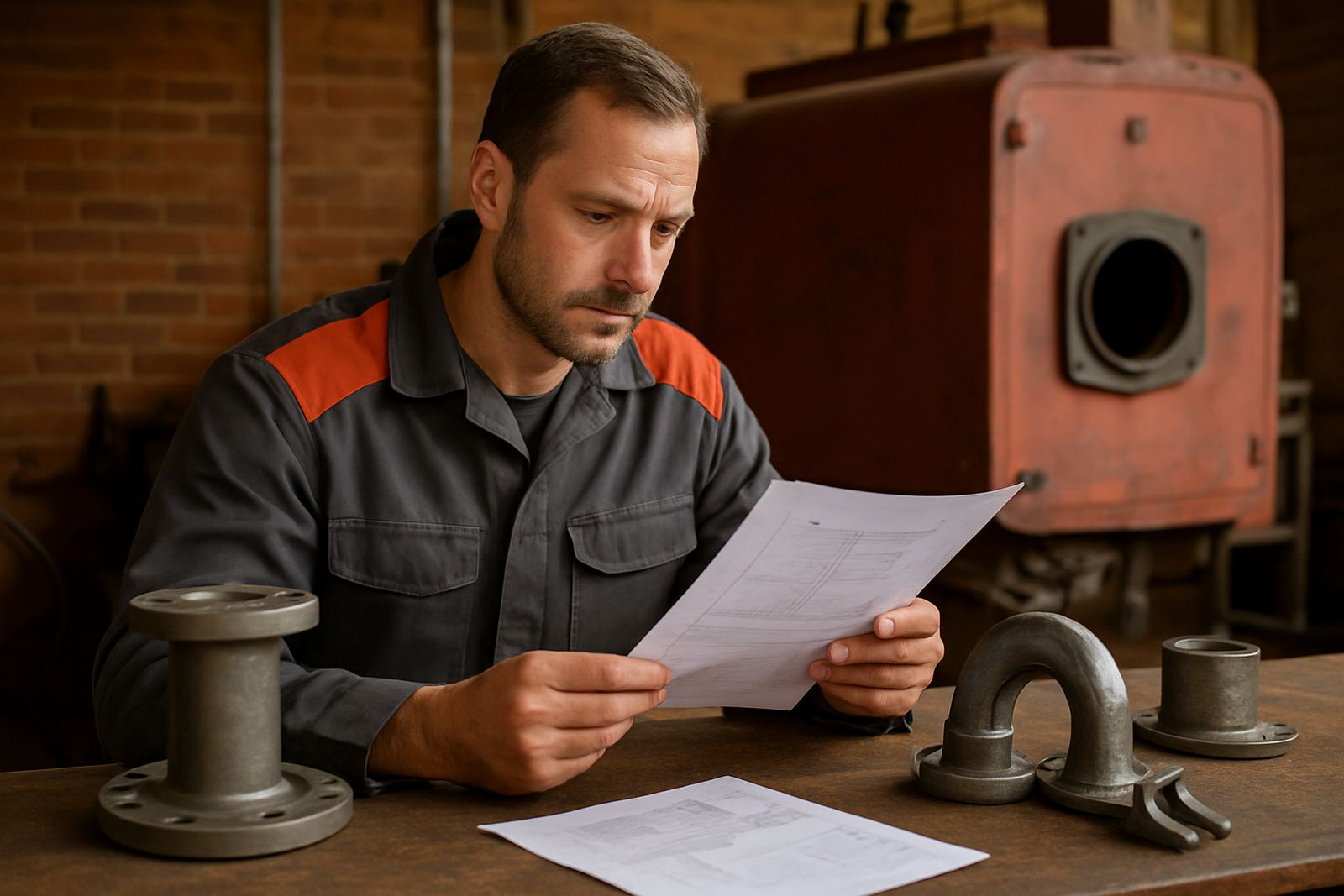
On commercial and industrial plant, memory is not enough. A technician may remember that a burner was changed last winter or that the pressure relief valve was tested before shutdown, but that detail is easy to lose once shifts change and the plant manager moves on. A written service trail gives the next person a clear picture of what was done, what was found and what still needs attention.
For boilers, calorifiers, inline heaters and incinerators, the value is practical. If a unit has repeated flame failure, poor water quality or low heat output, old records show whether the cause sits in combustion settings, controls, scale build-up, refractory wear or a failed sensor. That is how fault finding becomes quicker and less costly. It also helps with annual inspections, insurance queries and internal audits, especially where hot water and process heat support production, washing, kitchens or clinical use.
The records that actually help on site
Not every note is useful. A good record set is short, clear and tied to the equipment. It should tell the next technician what was checked, what readings were taken and what action was taken. At our Jet Park base and on call-outs in Boksburg, Germiston, Kempton Park, Pretoria, Midrand and Sandton, these are the records that save the most time:
- service date, technician and site contact
- equipment ID, location and duty hours
- pressure, temperature and combustion readings
- water treatment results and dosing history
- fault codes, alarms and lockouts
- parts replaced and items still on order
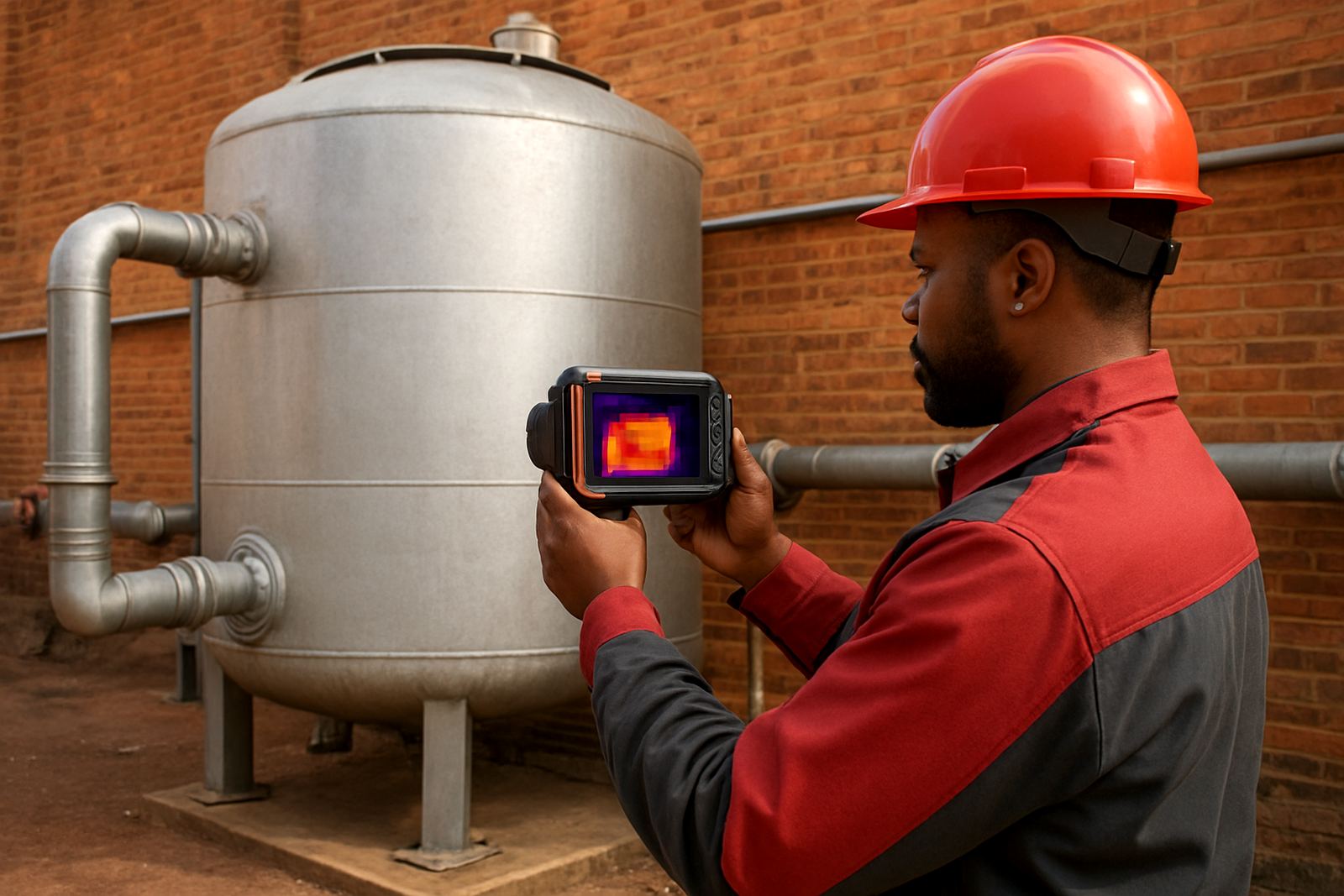
- photos of refractory, tube condition, leaks or corrosion
- test results after repair and before handover
That may sound basic, but basic records often prevent repeat breakdowns. If a pump seal keeps failing, the notes may show high return-water temperature or poor water treatment. If an incinerator has hot spots or smoke at start-up, older notes may point to a draft issue or lining damage that was already visible six months earlier.
How records cut repeat callouts and wasted parts
Repeat faults are expensive because they steal labour twice. They also waste parts when a team changes components before checking the history. A clean record set helps the maintenance manager ask better questions. Was the burner tuned after the last service, or only cleaned? Was the relief valve lifted and reset? Did the site run on backup power during the fault, and did voltage dips affect the controls?
This matters in Gauteng where many sites run long hours, with some plants catching up after load-shedding and others relying on hot water for shifts that cannot stop. It also matters near the coast, where humidity speeds up corrosion, electrical issues and insulation damage. If records show a pattern, you can plan the fix before the next breakdown hits.
- spot repeat faults before they become breakdowns
- avoid replacing the same part twice
- tie alarms back to real operating conditions
- track whether a repair held through peak demand
- support warranty or insurance discussions with facts
A local example from a busy Boksburg plant
A food plant in Boksburg had a boiler that kept tripping on low water level. The first call fixed the symptom and the plant restarted, but the fault came back two weeks later. The service records showed that the feedwater pump had been noisy for months, the strainers had not been cleaned on schedule, and the make-up water quality had drifted after a change in shift staff. Once those notes were put together, the cause was clear. The team serviced the pump, cleaned the strainers, checked the controls and reworked the water treatment plan. The tripping stopped and the plant manager had a simple schedule to follow.
Without those records, the site would likely have kept buying small fixes and losing production time. With them, the next decision was straightforward. That is the real value of keeping notes that are more than a tick box.
What to record after servicing or repair
After any boiler servicing, calorifier maintenance, inline heater repair or incinerator service, the handover should leave the site with enough detail to act on. The record must not be a long story, just a useful snapshot of the plant at that point in time. We advise keeping the same format each time so the team can compare one visit with the last one.
A strong service note should include the measured readings before and after the work, the part numbers or descriptions of what was changed, and any follow-up required. If there is refractory relining, combustion tuning or a water treatment correction, that should be written down clearly too. Small changes matter. A half-turn on a valve, a blocked sight glass, or a slight increase in flue temperature can tell you where the next problem may start.
- pre and post-service readings
- visible wear, leaks or scale build-up
- settings changed during commissioning
- test outcome and restart condition
- next inspection due date and risk items
Keeping records useful for the next person
The best records are easy to find and easy to read. If they live in different folders, on office computers, in notebooks and on phones, the value drops fast. Sites should keep one file per plant item, with the serial number or tag, service dates and any emergency callout history. If the plant is spread across several buildings or tenants, add the exact location too. That saves time when someone calls from Sandton or Pretoria and the technician needs to know which unit is out of service.
It also helps to attach annual inspection papers, water treatment results and photos from major repairs. That way, the next shutdown can be planned with the right parts, the right labour and enough access time. Good records do not stop wear and tear, but they make it easier to see it early and act before it turns into a stoppage.
At Ai-TEC, we have found that the sites with the clearest service history are the ones that recover fastest after faults. The reason is simple: the records tell the story of the plant, and good plant care starts with knowing what happened last time.