Why interlocks matter before the first flame
On a commercial or industrial boiler, the control interlock system is there to prove that the basics are in place before firing starts. That means feedwater is available, the boiler water level is safe, the burner is ready, and the flue path is open enough to take heat away. If one of those conditions is missing, the boiler should refuse to start. That is not a fault in the system, it is the system doing its job.
In practical terms, interlocks protect against dry firing, overpressure, poor combustion, pump failure and unsafe start-up after a power cut. In Gauteng, where load shedding can interrupt plant cycles without warning, that protection matters even more. A boiler that restarts too quickly after a blackout, or after a short dip in supply, can put strain on the burner train, the valves and the feed system.
For a factory in Jet Park, a hospital laundry in Germiston or a food plant in Midrand, the cost of one bad start can be much higher than the cost of a proper interlock check. You are not only protecting equipment, you are protecting steam supply, production time and compliance with site safety rules.
The controls that must agree before the boiler runs
Interlocks are a chain of permissions. Each device has to confirm its condition before the next step is allowed. If one signal is missing, the sequence stops. That sequence may be simple on a small hot water unit, or more involved on a multi-boiler plant with lead-lag control and remote monitoring.
- Low water cut-out to stop dry firing.
- High pressure limit to prevent overpressure.
- Fuel pressure proving on gas or oil systems.
- Combustion air fan proving before ignition.
- Flame safeguard proving that a stable flame is present.
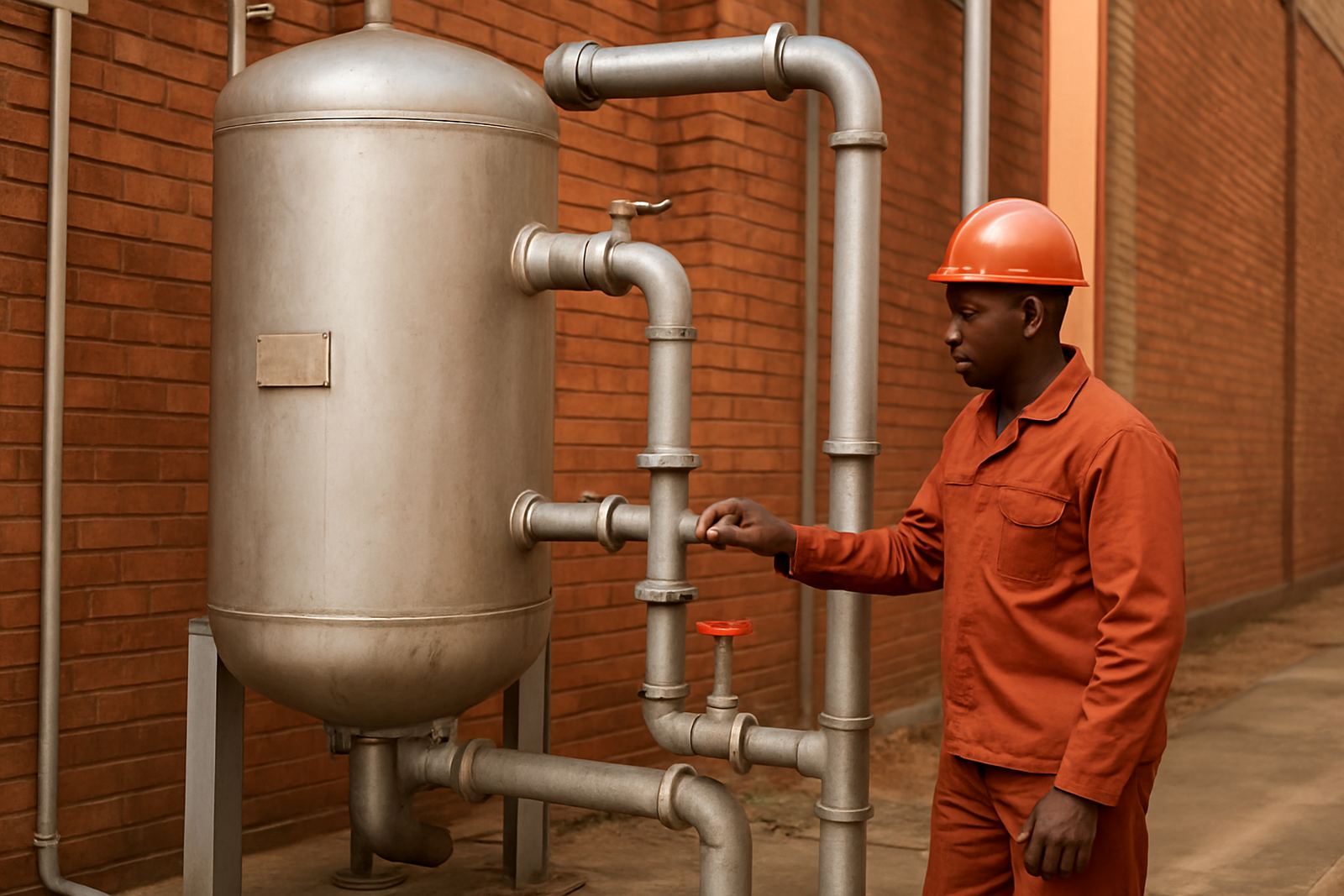
- Blowdown and drain positions confirmed where required.
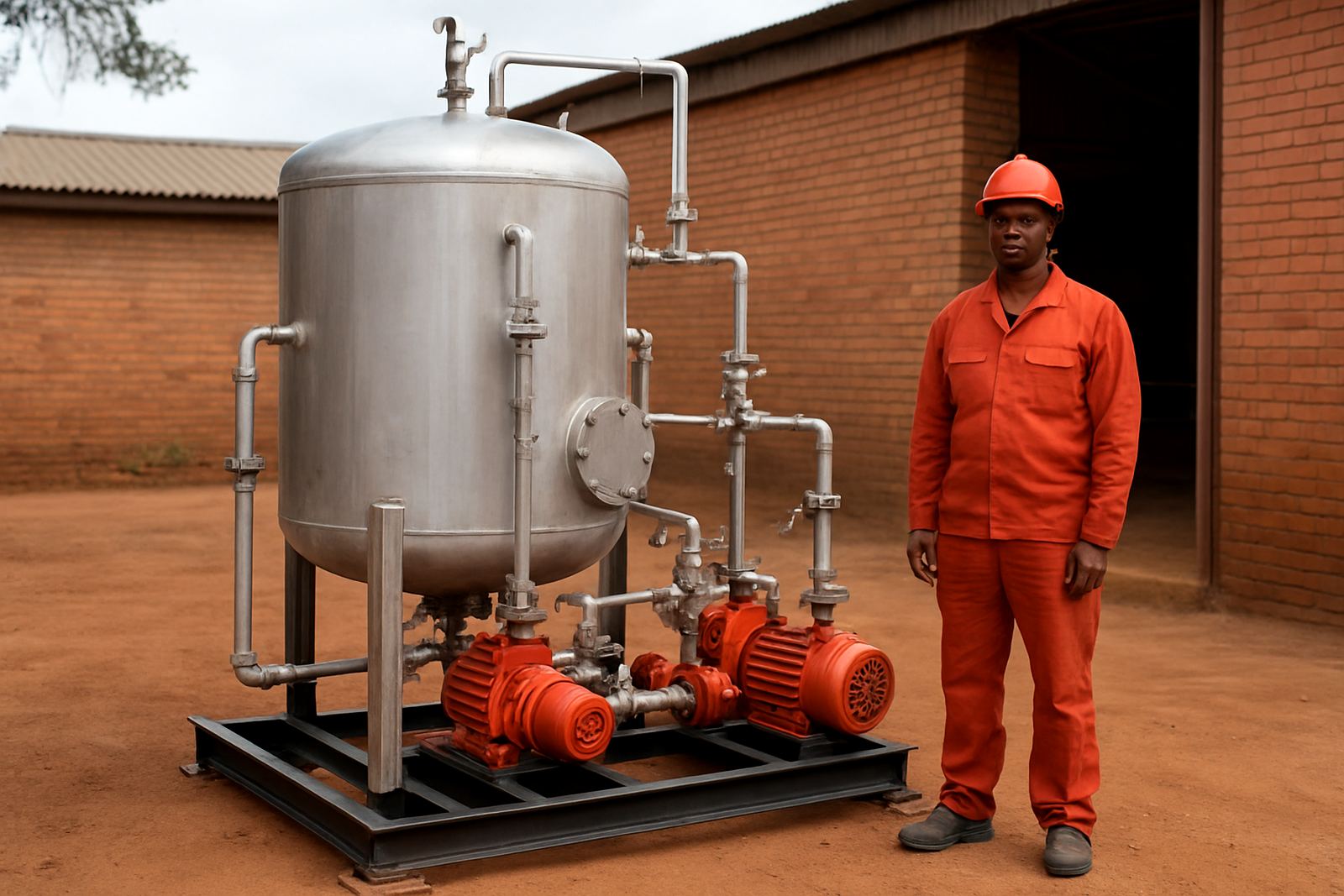
- Pump run feedback so the boiler knows the feed pump is actually running.
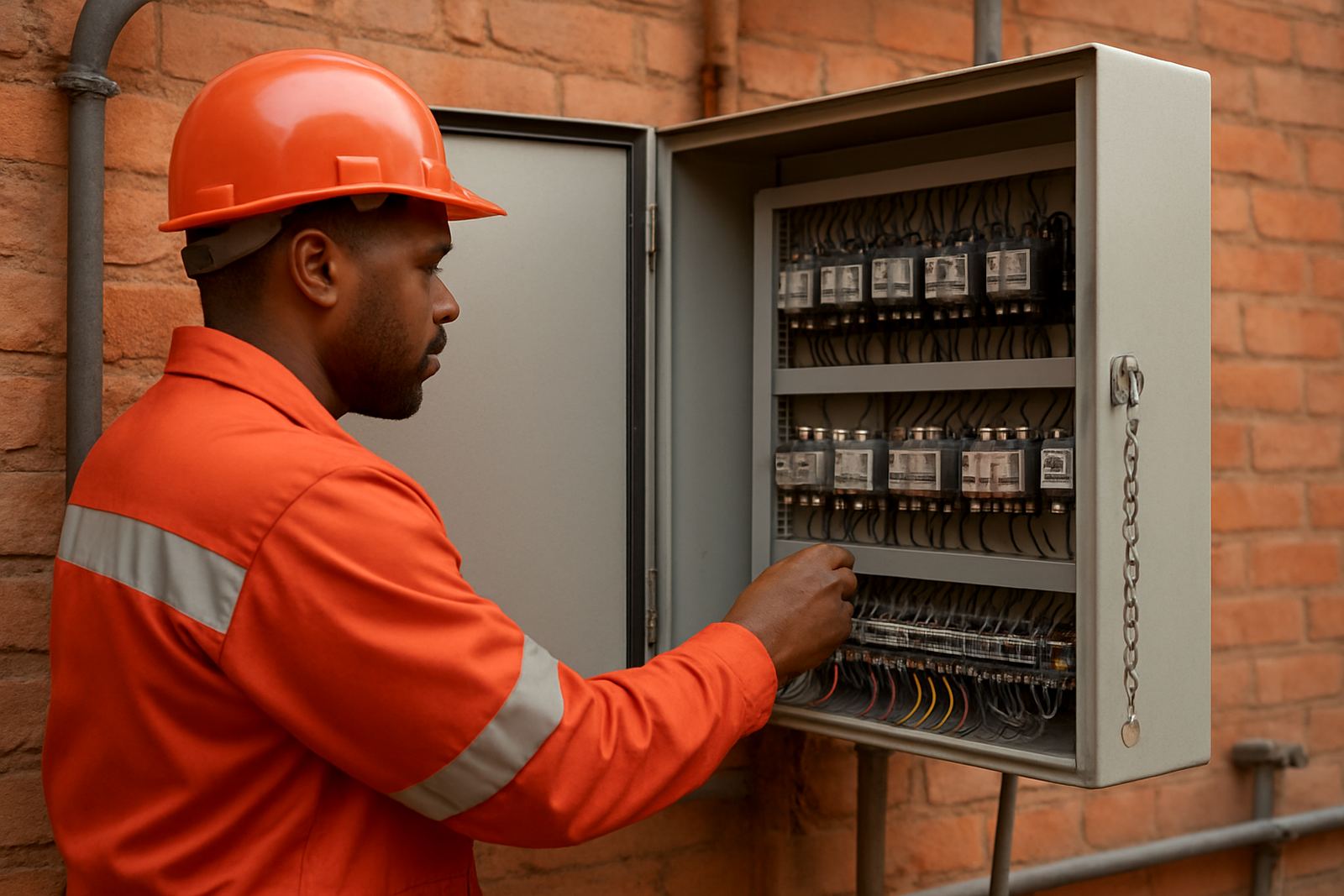
These checks sound basic, but they depend on clean wiring, healthy sensors and proper maintenance. A sticky pressure switch, a blocked impulse line or a loose terminal can stop an otherwise serviceable plant. We often find the boiler itself is sound, but a single failed proving contact is holding the whole system back.
What interlocks protect during startup and normal operation
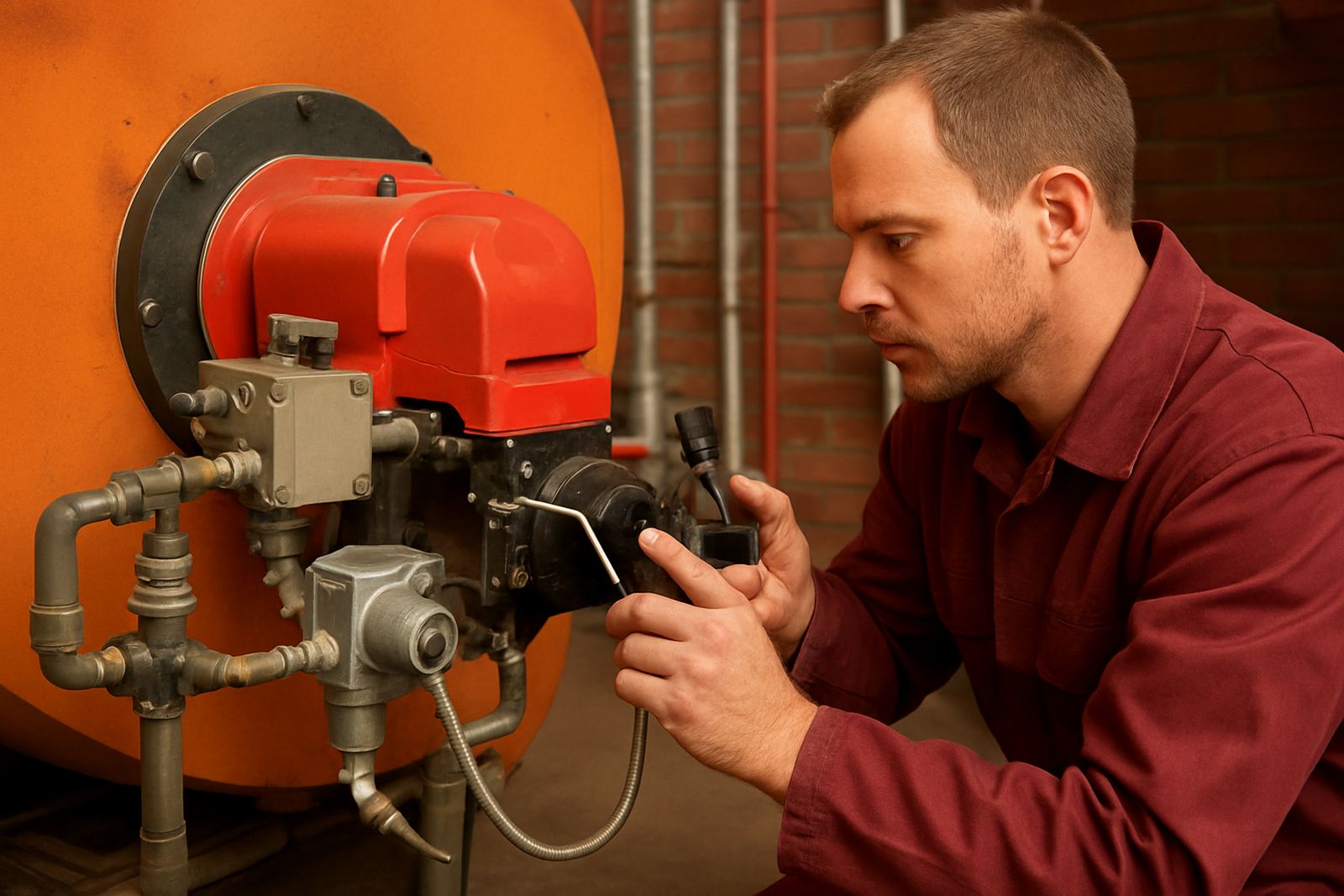
During startup, the main risk is that the boiler begins to heat before the water side is ready. Interlocks stop the burner from lighting if the vessel is empty, if the feed pump is not proven, or if the air supply is not available. They also prevent ignition when the fan is not clearing the furnace properly. That matters because a bad start can cause a flame fault, delayed ignition or damaged burner parts.
During running, interlocks keep watching. If water level drops, if pressure climbs too high, if flame is lost, or if a safety door is opened on a suitable package plant, the boiler should trip out. On some sites the trip is automatic and obvious. On others it may only show as a fault lamp or a panel alarm, which means the operator must know what the signal means and what to check first.
We see repeated nuisance trips where someone has bypassed a proving device just to keep steam going. That is a bad habit. If the underlying fault is a weak pump, poor water treatment, scale build-up or a tired pressure switch, the bypass only hides the problem until it becomes larger and more expensive.
Common faults we find on South African plants
Interlock faults usually come down to age, dirt, vibration, heat and poor housekeeping around the boiler house. Coastal humidity can affect connectors and relays, while dust in industrial areas can clog moving parts and vents. On older plants, the panels may have been altered over the years, with added controls that no longer match the original sequence. That is where proper fault-finding makes the difference.
- Loose wiring after vibration from pumps or nearby machinery.
- Corroded terminals in damp rooms or near wash-down areas.
- Blocked water level probes or faulty level controls.
- Pressure switches set too tight or drifting out of calibration.
- Burner lockout devices that trip because of poor combustion tuning.
- Pumps that start but do not deliver flow because of air locks or worn impellers.
- Dirty flame scanners, faulty igniters or unreliable proving relays.
In many cases the boiler has been working for years, then starts tripping after a power interruption or maintenance shutdown. That is when the hidden weakness shows up. A proper inspection should test the full chain, not only the part that failed that day.
How maintenance teams should test the interlock chain
Good boiler maintenance is not only about cleaning burners and checking pressure gauges. The interlock chain needs testing in sequence, from the first permissive to the final trip device. That includes simulating the conditions that should stop the boiler, then confirming the control system responds the way it should. If a site runs multiple shifts, the test should also reflect how the plant is actually used, not only how it looks on paper.
A practical inspection should cover sensor condition, wiring integrity, test buttons, alarm history, panel labels and the operator response. If the sequence is unclear, operators may restart a tripping boiler without understanding the cause. That wastes time and can create repeat faults.
- Check the low water cut-out and verify the manual reset works.
- Confirm fan, pump and fuel proving signals before ignition.
- Test high limit trips and alarm outputs.
- Review lockout history after outages and maintenance work.
- Inspect terminals for heat damage, rust and loose connections.
On site we also look at whether the interlocks suit the duty of the plant. A steam boiler serving process loads in Pretoria does not have the same cycle pattern as a calorifier plant in Sandton or an incinerator installation in an industrial yard. The controls should match the actual load, otherwise the plant will fight itself.
A local example from a Gauteng steam room
At a production site near Boksburg, a boiler kept tripping shortly after restart following load shedding. Operators were resetting it and getting steam back for a few minutes, then the fault would return. The problem was not the burner at first glance. The feed pump was proving on paper, but the actual delivery was weak and the low water interlock was doing what it should. The issue turned out to be a combination of a worn pump and a blocked strainer, plus a level probe that needed cleaning. Once those were sorted and the combustion was retuned, the boiler started cleanly and stayed online.
That is the point of interlocks. They are not there to frustrate the operator, they are there to force the plant to prove it is safe before heat is added. When they are respected, the boiler house runs better and the fault finding becomes simpler. When they are bypassed, small issues turn into shutdowns.
For sites across Gauteng and on national callouts, Ai-TEC works on boiler servicing, combustion tuning, emergency callouts and plant refurbishment with the control philosophy kept in mind. A boiler is only as reliable as the checks that protect it.