What Calorifier Maintenance Covers
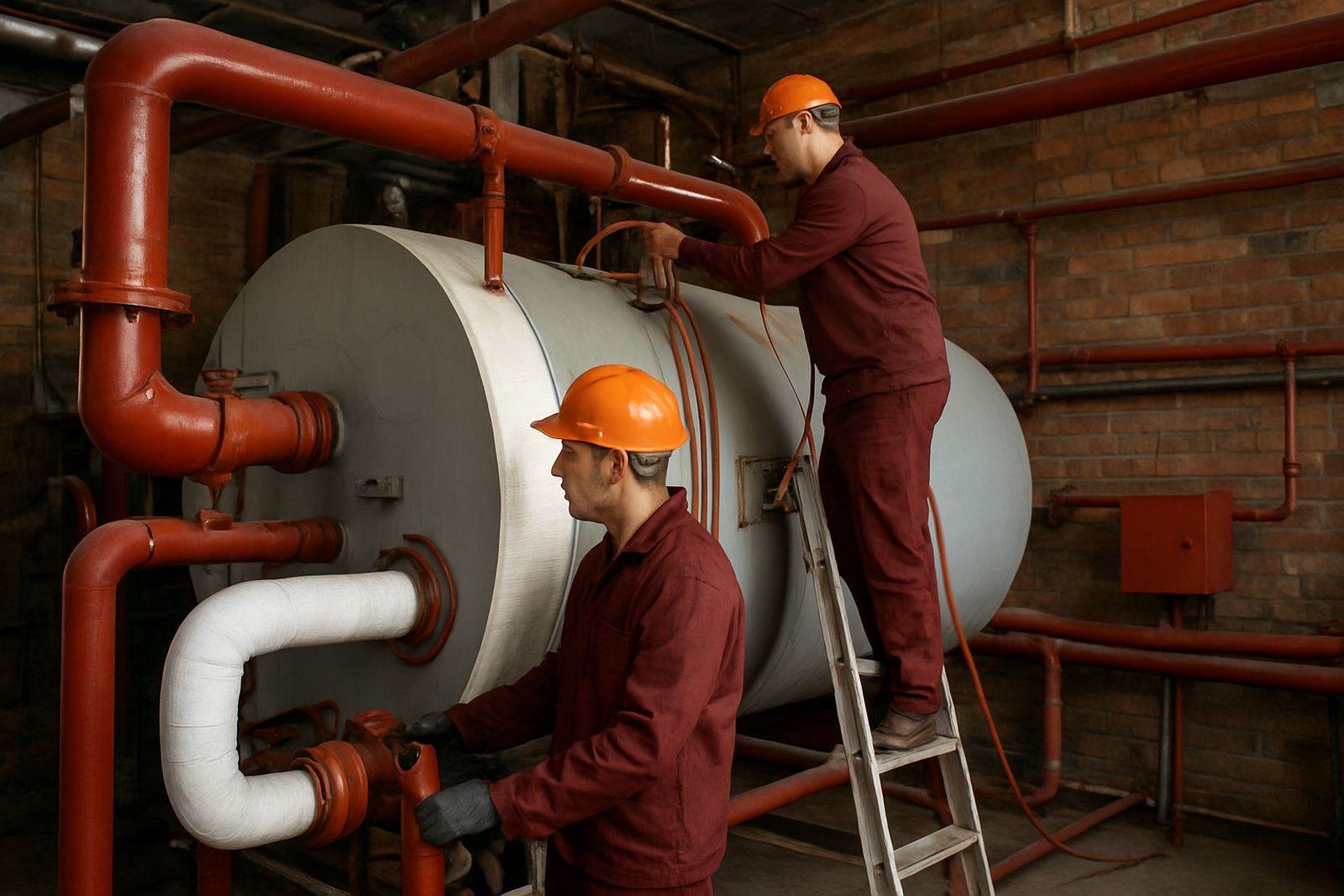
Calorifiers work hard in hotels, factories, hospitals, abattoirs, schools and multi-storey buildings, especially where hot water demand runs all day. Our maintenance service is aimed at keeping stored water temperatures steady, heat transfer efficient, and the unit safe under pressure. We work on direct and indirect calorifiers, horizontal and vertical units, and systems tied into boilers, heat pumps or process loops.
A proper service is more than a quick look. We inspect the vessel, coils, valves, insulation, controls and pipework, then deal with scale, sludge, corrosion and leaks before they become a shutdown. In Gauteng, hard water can build deposits quickly and on the coast humidity can worsen corrosion around flanges and access covers.
- Internal and external inspection of the vessel and fittings
- Drain down, flush and cleaning of sediment and scale
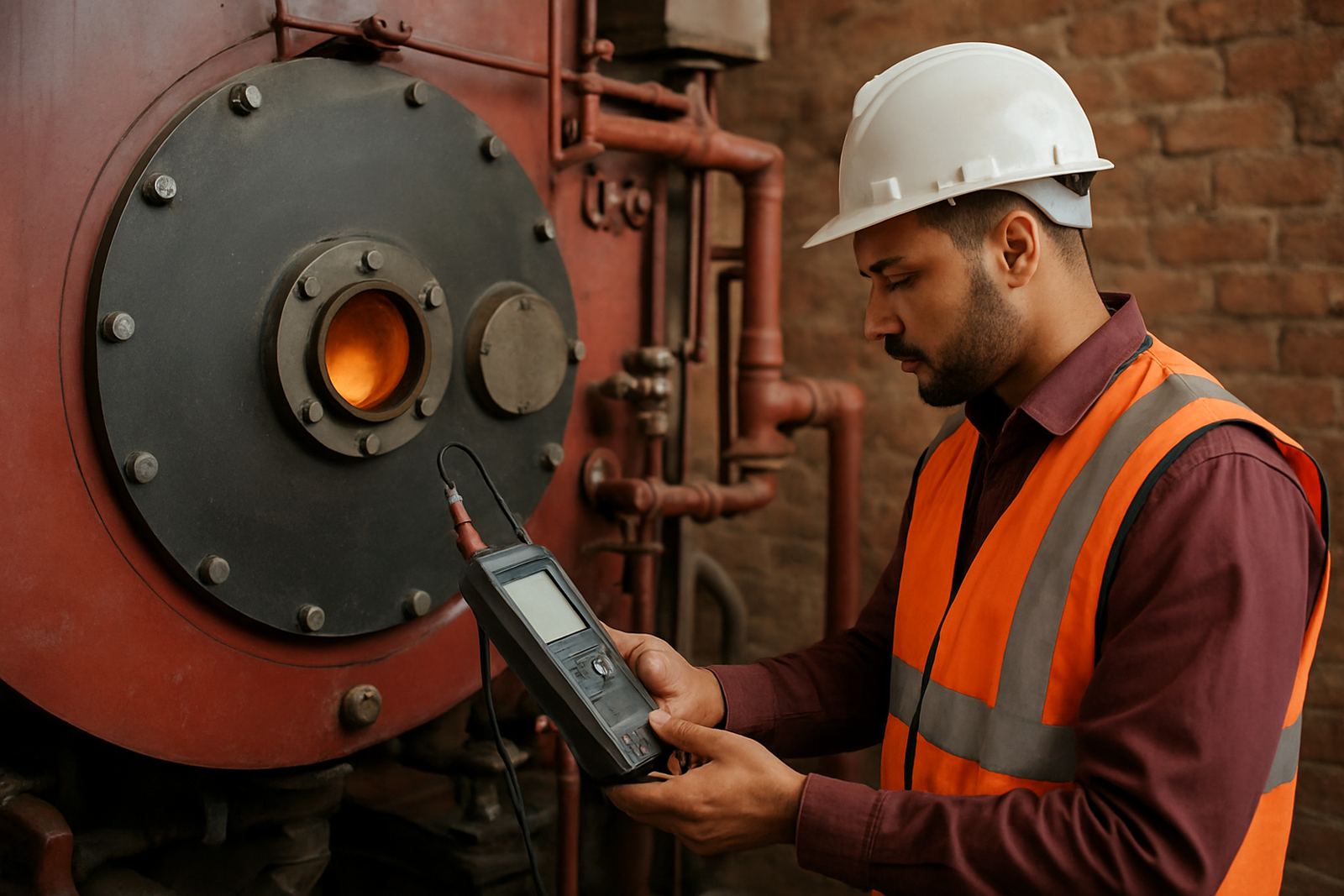
- Testing of safety valves, temperature controls and pressure controls
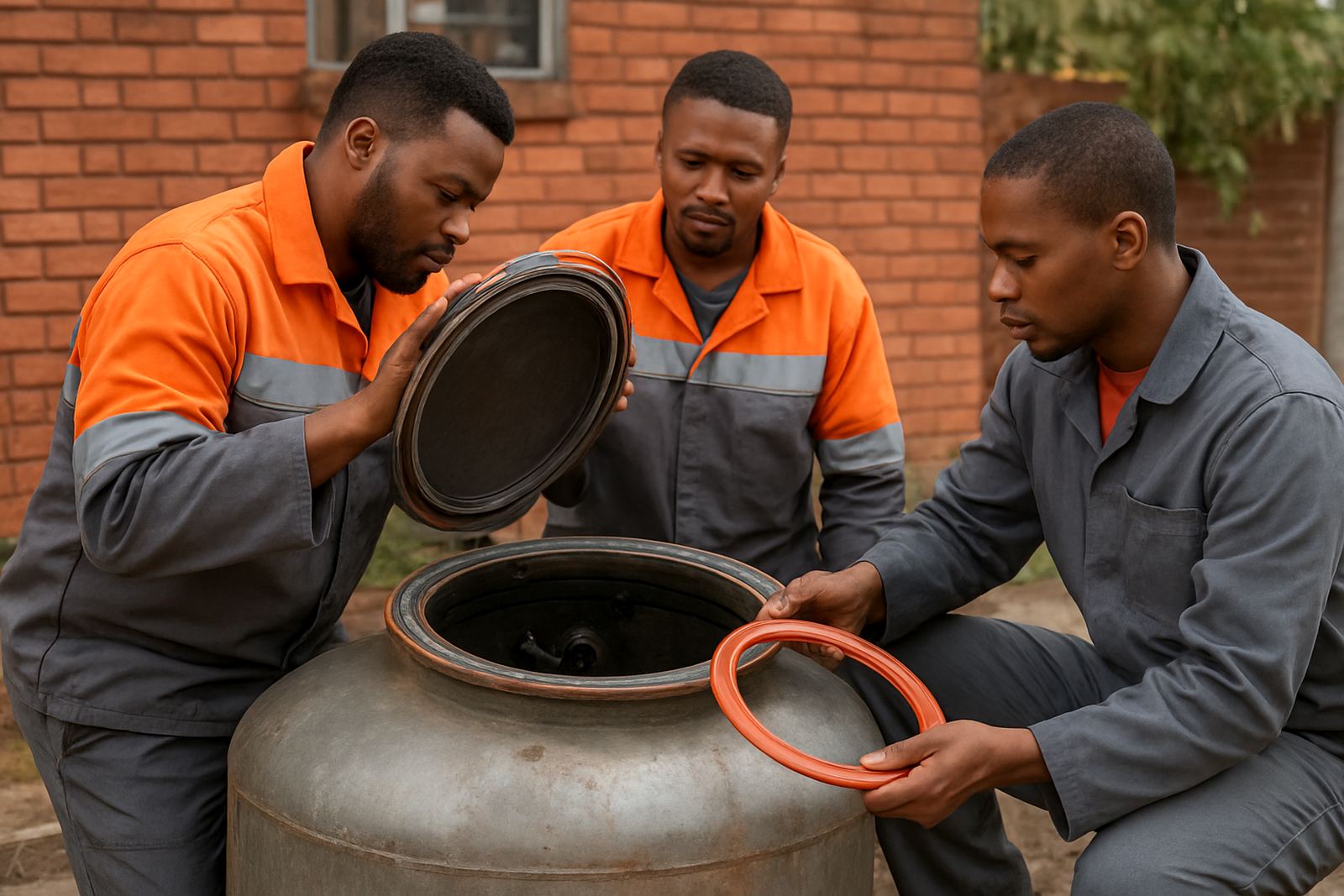
- Checks on anodes, gaskets, access plates and connections
- Replacement of worn seals, valves, probes and small fittings
How We Carry Out the Service
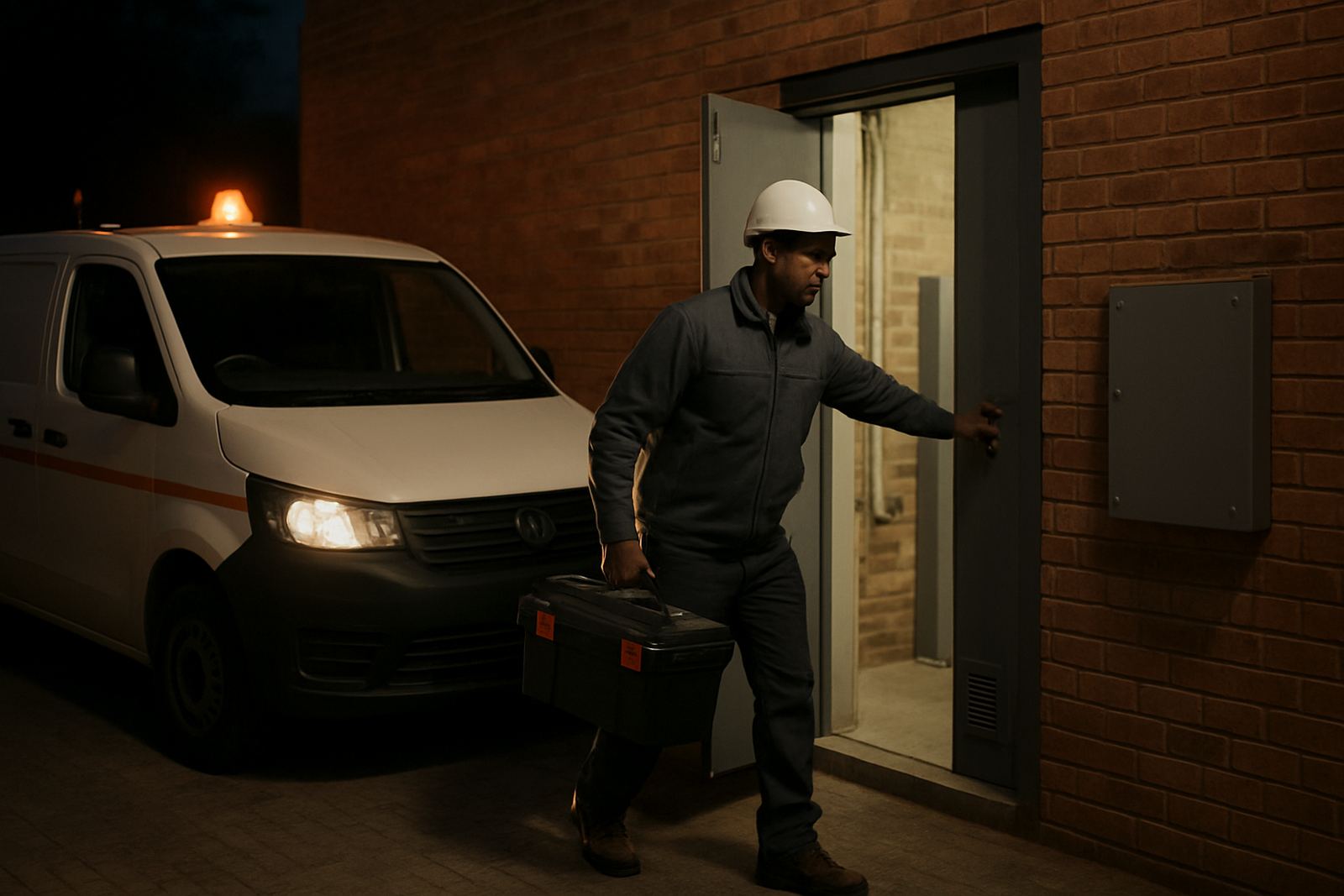
We start with a site visit or a fault report from your team, then assess the unit size, access, water quality and downtime window. If the plant is on a tight schedule we plan around shifts, weekends, or after-hours work so hot water supply stays available where possible. Our service coordinators keep the job moving and our technicians arrive with common spares and test gear.
The normal process is straightforward: isolate the unit, make it safe, open the access points, clean the internals and test key components. If we find worn items we quote for replacement before fitting anything. This avoids a second visit for parts that should have been changed the first time, which saves time and keeps the plant manager in control of spend.
- Isolation and lock-off of electrical and water supplies
- Controlled drain down and sludge removal
- Mechanical cleaning, descaling and wash-out
- Component testing and functional checks
- Reassembly, refill, leak test and temperature verification
Typical Faults We Fix On Site
Most callouts come from a short list of repeat problems. Water not heating properly, pressure relief valves dripping, noisy operation, slow recovery times and high fuel or electricity use are all common signs that the calorifier needs attention. A unit that is cycling too often may have scale on the coil, a failing thermostat, poor circulation or a blocked strainers upstream.
We also deal with poor water quality issues. Scale and rust can reduce heat transfer, while sludge on the bottom of the vessel can create cold spots and shorten vessel life. If the unit shows advanced corrosion, cracked insulation or repeated leakage, we will advise on repair versus refurbishment so you do not keep paying for patchwork fixes.
- Leaks at flanges, valves, manways or coil connections
- Temperature drift and slow heat recovery
- Pressure relief valve faults
- Blocked strainers and fouled coils
- Faulty probes, thermostats and control wiring
Turnaround Times and Downtime Planning
Small maintenance jobs can often be completed in a single shift if access is good and the vessel is in decent condition. Larger units, heavy descaling jobs, or sites needing fabrication work can take longer. We give a practical turnaround based on what is actually on site, not a best case guess. That helps your team plan around production, laundry loads, tenant demand or process water needs.
For urgent failures we prioritise emergency callouts in Gauteng, including Boksburg, Kempton Park, Germiston, Midrand, Sandton and Pretoria. Nationally, our service teams cover scheduled maintenance and shutdown work where travel and access are arranged in advance. If parts need ordering, we tell you upfront what can be completed immediately and what will follow once the item arrives.
Pricing Approach and What Affects Cost
We price calorifier maintenance according to the actual unit size, access, condition, and whether repairs or component swaps are needed. A clean unit with standard fittings will cost less than a vessel that has heavy scale, failed valves, or corroded access covers. Travel, lift equipment, shutdown permits and after-hours work can also affect the final figure.
Our approach is to inspect first, then quote clearly so you can approve only the work that is necessary. If the problem is minor we do not inflate it into a full refurbishment. If the unit is nearing end of life, we will say so and help you compare the cost of repeated repairs against planned replacement. That way the maintenance budget is used where it matters most.
Recommended Service Intervals For Calorifiers
Most commercial sites benefit from annual servicing at minimum, while hard water areas, high-demand plants and older vessels often need checks every 6 months. Sites with poor water treatment, heavy load cycles or critical hot water supply should also keep an eye on pressure relief valves and temperature control function between full services. If your site runs hot water around the clock, waiting until a fault appears usually means more downtime.
We also recommend keeping water treatment in the plan, since scale is one of the main reasons calorifier performance drops. Correct chemical balance, regular blowdown where applicable, and clean strainers all help the system last longer. A small amount of routine care often prevents a major repair later on, especially when the plant is under pressure during winter or peak occupancy periods.
- Annual service for standard commercial units
- 6 monthly checks for high-demand or hard water sites
- Quarterly monitoring where water quality is poor
- Immediate inspection after leaks, overheat events or valve failure
Key facts
| Unit types | Direct and indirect calorifiers, horizontal and vertical vessels |
|---|---|
| Typical capacity range | From small plantroom units to large industrial storage vessels |
| Service scope | Inspection, cleaning, testing, repair and component replacement |
| Common parts | Valves, thermostats, probes, gaskets, anodes and insulation repairs |
| Working pressure | Checked against site rating and safety valve setting |
| Coverage | Gauteng base with service teams available nationally |