Why combustion tuning matters on plant equipment
On commercial and industrial plant, even a small shift in burner settings can push fuel use up fast. Too much air and the stack carries heat away, too little and you get poor burn, soot build-up and unstable operation. We tune systems so the flame is stable across the working range, from start-up through full load, and so the plant is not wasting diesel, gas or heavy fuel oil.
This service suits steam boilers, hot water boilers, calorifiers, inline heaters and process heaters that need cleaner running and better control. It is also useful after burner work, fuel changes, nozzle replacement, flue repairs or water treatment changes. In Gauteng, where many sites run long hours and some plants deal with dust, humidity and interrupted power, combustion settings can drift without anyone noticing until fuel bills or emissions tests start to climb.
What the tuning service includes
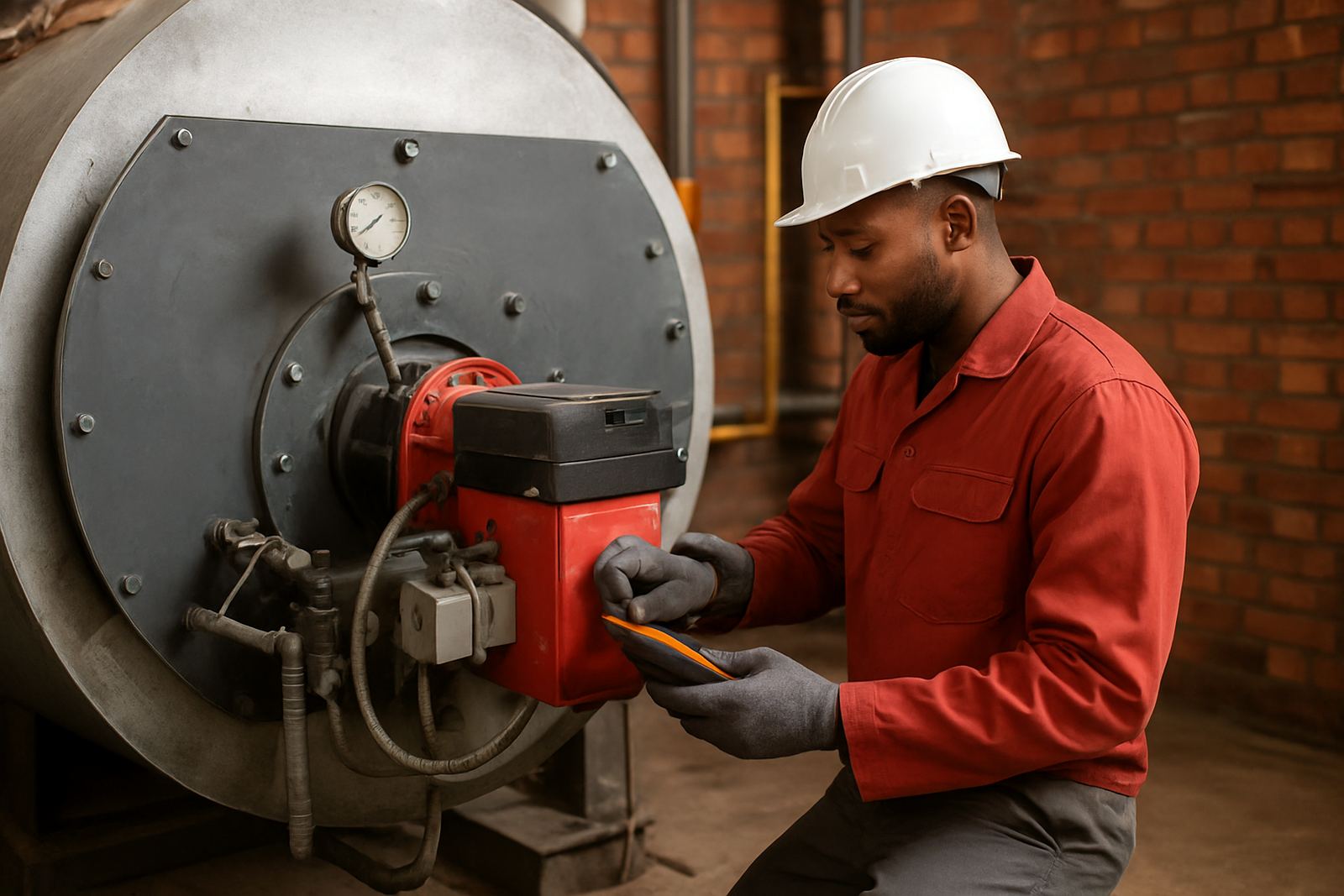
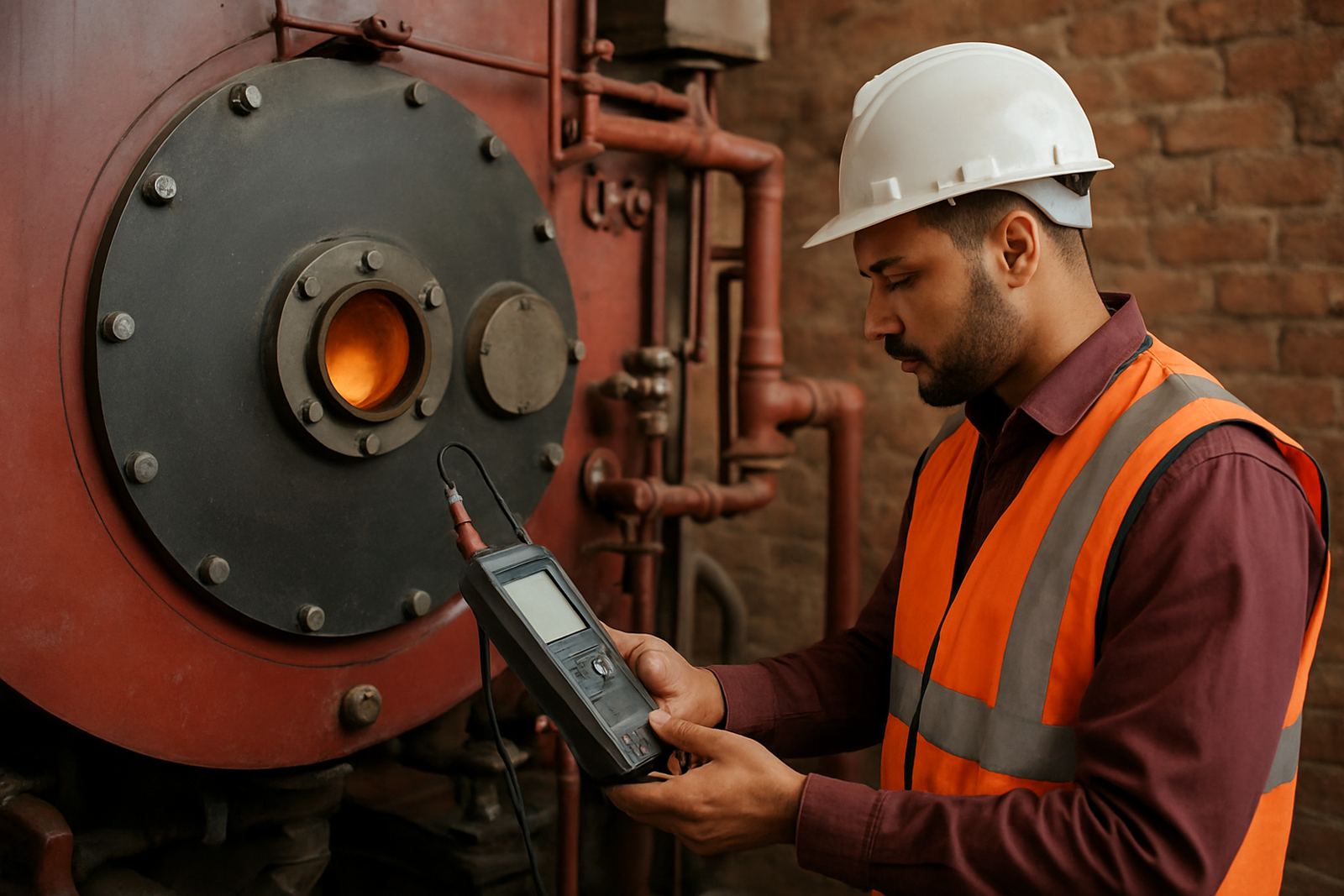
We start with a site check and test the unit under normal operating conditions. Our technicians look at flame shape, air settings, fuel pressure, draft, excess oxygen, carbon monoxide and stack temperature. We then adjust the burner, controls and linked components so the unit runs within its intended operating band.
- Air and fuel ratio adjustment
- Burner nozzle, diffuser and electrode checks where fitted
- Fan, damper and linkage inspection
- Flue gas readings at start-up and under load
- Safety interlock checks and control response testing
- Documentation of pre and post readings for site records
If a unit is fouled, blocked or mechanically out of range, we will flag it before tuning. There is no value in chasing good readings on a burner that needs cleaning, refractory repair or a faulty sensor replaced first. We also check for draft issues, air leakage around access doors and worn seals that can upset the mix.
Our tuning process on site
Every plant is different, so we do not use a one-size-fits-all setup. A combustion tune on a small package boiler is handled differently from a larger process boiler with variable demand and a history of stop-start duty. We follow a practical sequence that keeps the unit safe while we work.
- Confirm equipment type, fuel and current fault history with the site team.
- Inspect the burner, controls, flue path and safety devices.
- Measure baseline performance while the unit is cold and then at operating temperature.
- Adjust air and fuel delivery in small steps, checking readings after each change.
- Test stability at low fire, normal load and peak demand.
- Record final settings and issue maintenance notes for future visits.
Where a site has multiple boilers, we can tune each one to match load sharing requirements so one unit is not doing all the work while the others sit idle. That helps with wear distribution and keeps standby plant ready for the next shift. We also coordinate with operations staff if the plant can only be taken out of service for a short window, which is common in hospitals, warehouses and food plants.
Turnaround times and service coverage
Most standard combustion tuning visits can be completed in a single shift if access is clear and the plant is serviceable. Smaller units may be turned around in a few hours, while larger systems with multiple burners or linked controls may need a full day. If repairs are needed before final tuning, we will advise what can be completed immediately and what should be scheduled as a follow-up.
Our base is in Jet Park, Boksburg, with service teams covering Gauteng from Boksburg, Kempton Park, Germiston, Pretoria, Midrand and Sandton. We also travel nationally for planned shutdowns and urgent callouts. For sites near the coast or in high humidity areas, we often recommend closer monitoring of burner components and terminals because corrosion can affect ignition and control stability quicker than many owners expect.
- Planned visits for maintenance shutdowns
- Emergency attendance for unstable burn or repeated lockouts
- After-hours work where production cannot stop in business hours
- Support for multi-site operators with standard service records
Pricing approach and what affects cost
Combustion tuning is priced according to the equipment type, number of units, fuel used, access conditions and whether testing equipment or repair labour is needed. A single boiler on a clear plantroom will cost less to service than a high-capacity unit that needs confined-space access, extended flue work or extra time for controlled shut-down and restart. We quote after confirming the site conditions, not from guesswork.
For most clients, the best value comes from combining tuning with annual servicing, water treatment support or burner repairs. That reduces repeat callouts and lets us correct the root cause instead of only adjusting the flame. If we find worn components, blocked strainers or poor water quality contributing to unstable operation, we will price the corrective work separately so the site can choose the order of works. It is often better to do the fix once rather than paying for the same fault twice.
Recommended maintenance intervals and signs to book a tune
As a rule, combustion settings should be checked at least once a year on stable plant and more often on heavy duty systems or sites with poor fuel quality, frequent load changes or harsh conditions. Units running daily, or serving critical process loads, may need six-monthly checks. If the plant uses variable demand or has a history of soot, smoke or ignition faults, shorter intervals are usually worth it.
Book a visit if you notice longer start-up times, rumbling flame, smell of unburnt fuel, higher stack temperatures, soot around access doors or a rise in fuel use with no production increase. Repeated safety lockouts are another sign that the burner is out of tune or the control system is reading outside its normal range. A well tuned plant should light cleanly, hold steady and respond properly to demand without hunting.
Ai-TEC supports combustion tuning for commercial and industrial clients who need practical results, not guesswork. We work with the plant as found, make measured adjustments and leave a clear record for the next service date.
Key facts
| Service type | Combustion tuning for boilers, calorifiers, inline heaters and incinerators |
|---|---|
| Fuel types | Diesel, gas and other site-specific burner fuel systems |
| Readings taken | Flue gas, oxygen, carbon monoxide, stack temperature and draft |
| Typical visit time | 2 to 8 hours for standard units, longer for complex plants |
| Service area | Gauteng and nationwide on planned work |
| Recommended interval | Every 6 to 12 months, depending on duty and site conditions |