What our annual inspections cover
An annual inspection is more than a quick visual check. Our team looks at the full condition of the unit, controls and surrounding plant so faults are picked up early. For Gauteng sites that run through winter, and for coastal plants dealing with humidity and corrosion, this sort of planned inspection often saves a lot of trouble later.
We inspect each asset against its operating duty, age, fuel type and maintenance record. The focus is on wear, heat loss, combustion quality, leaks, scale build up, safety devices and any item that could affect output or compliance. Where needed, we note corrective work, parts replacement and follow up testing.
- Boilers, calorifiers, inline heaters and incinerators
- Burners, controls, valves, pumps and safeties
- Refractory, insulation, seals and visible hot spots
- Water side condition, scale, sludge and corrosion signs
- Flue route, stack condition and combustion airflow
Inspection steps on site
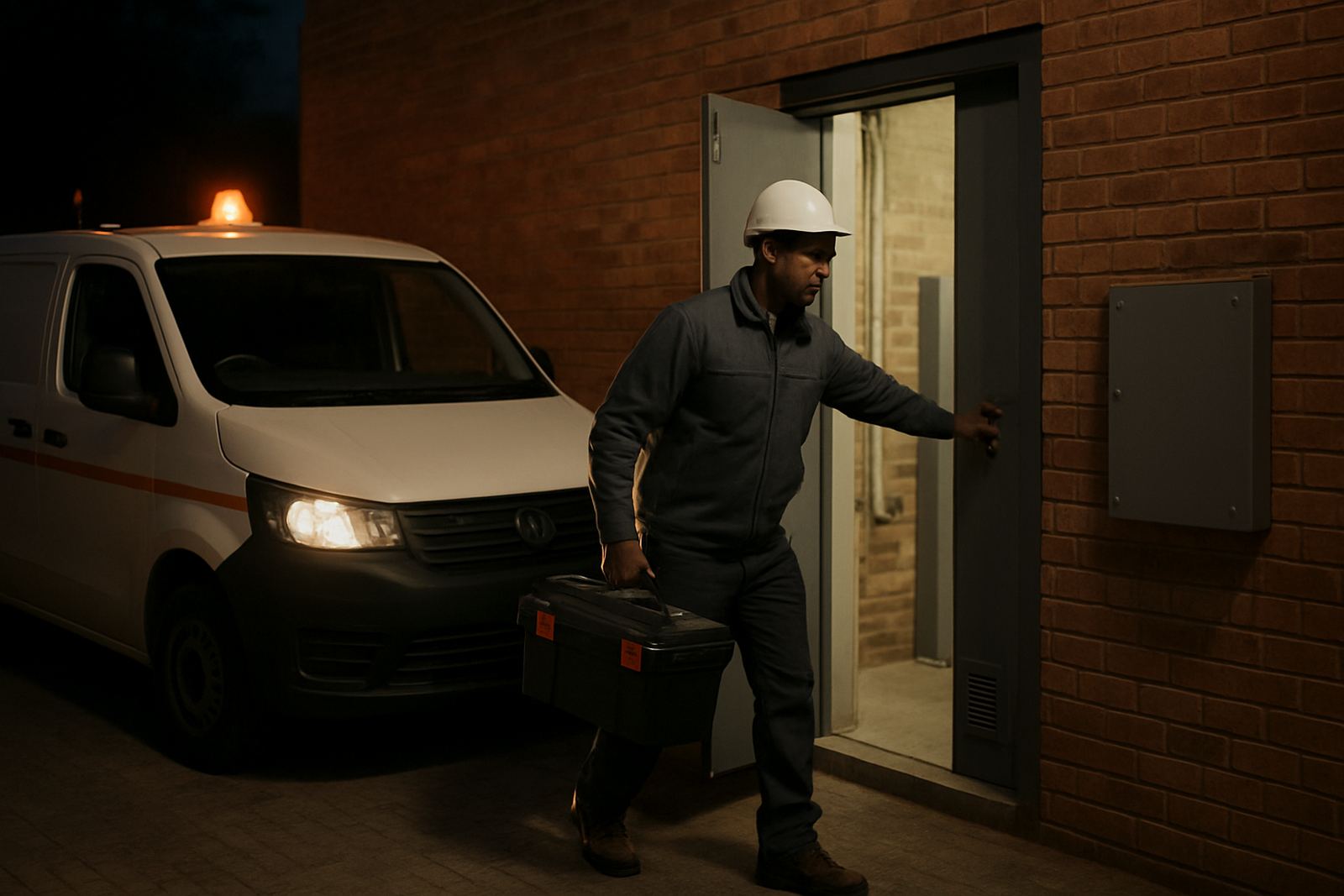
We keep the process practical and planned around your operating hours. If your plant is on a tight production window, we can work early morning, after shift change or over a weekend. Our service teams cover Jet Park, Boksburg, Kempton Park, Germiston, Pretoria, Midrand and Sandton, with national travel available where the job calls for it.
The visit starts with a short briefing so we understand recent faults, load shedding impacts, water quality issues and any complaints from operators. Then we move through the plant methodically, test by test, and record what we find. The aim is to leave you with a clear condition report, not just a tick sheet.
- Pre inspection discussion with operations or maintenance staff
- Visual and operational checks during running conditions where possible
- Isolation checks for items that must be tested off-line
- Photographic notes and fault list for repair planning
- Close-out discussion with priority actions highlighted
Typical checks on boilers, calorifiers and heaters
Different plant needs different checks, but some points come up again and again. A boiler may have clean external surfaces yet still waste fuel because the combustion setting is off, while a calorifier can look fine and still be losing output because of scaling or a failed thermostat. Small issues become expensive when they are left for the next outage.
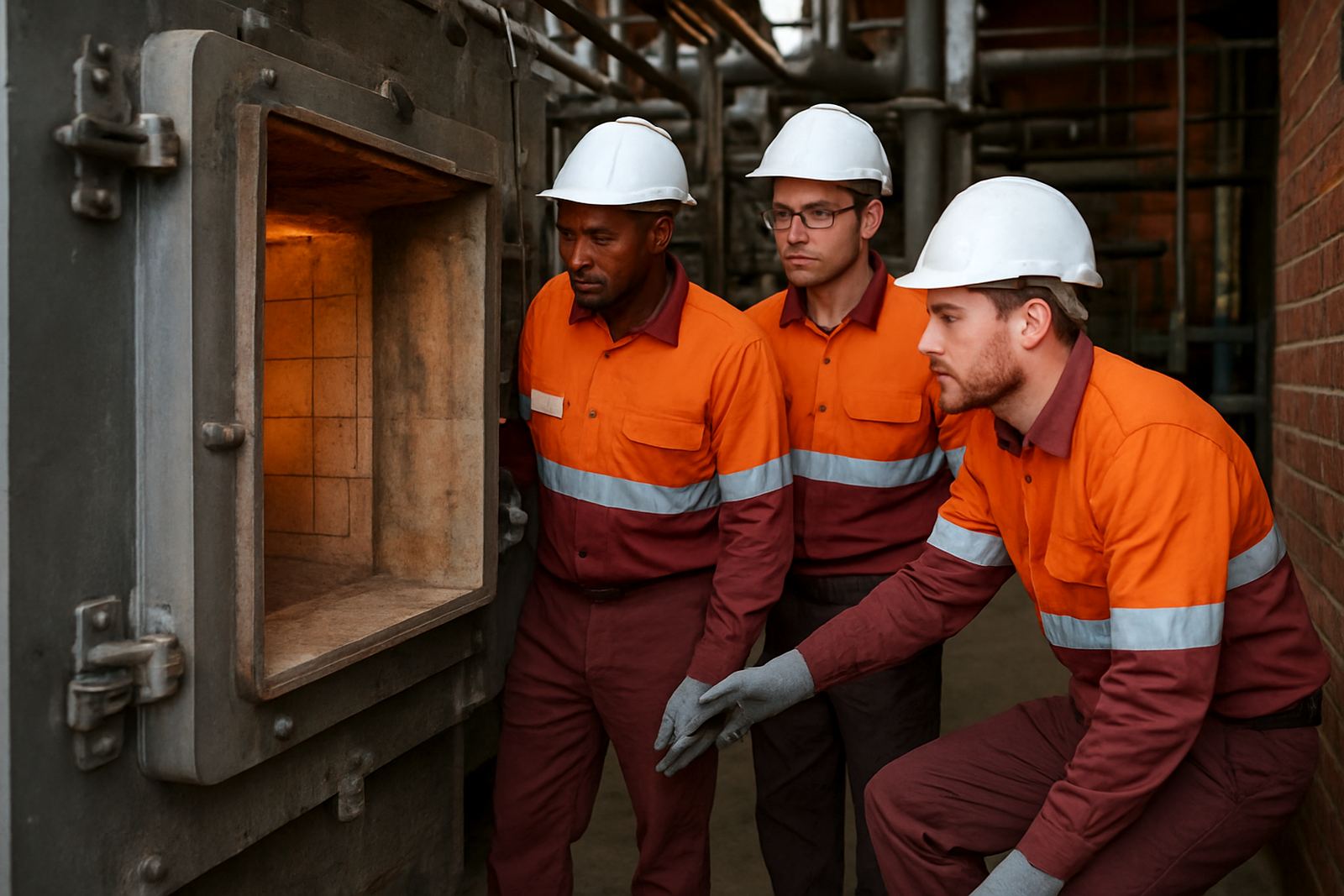
For inline heaters we pay close attention to flow, element or coil condition, temperature control and any sign of scaling inside the line. For incinerators, we check lining integrity, door seals, ignition stability and the general condition of the chamber. If the plant has been running hard under load shedding, we also look for stress from repeated starts and stops.
- Combustion condition and visible flame quality
- Temperature controls, pressure controls and safety cutouts
- Scale, sediment and signs of poor water treatment
- Flue gas path, draft and evidence of heat loss
- Refractory damage, cracks and hot face deterioration
Compliance, records and maintenance planning
Annual inspections are useful because they support planned maintenance and help you stay ahead of compliance related work. For many sites, especially those with pressure equipment or regular municipal and insurer checks, the paper trail matters as much as the repair itself. We provide a written summary of findings, plus a practical list of what should be done now, what can wait and what needs monitoring.
Where a defect is found, we explain the likely cause and the repair route. That might be a simple gasket change, a control replacement, refractory relining, water treatment correction or a full plant refurb stage. We also flag any item that should be isolated before it becomes a safety problem. This keeps the conversation straightforward for managers, artisans and auditors alike.
- Condition notes linked to the item inspected
- Priority ranking for urgent, scheduled and monitor items
- Suggested service interval based on load and operating hours
- Repair and spares recommendations for budgeting
- Support for insurer, audit and internal maintenance records
Turnaround and response times
For a single boiler or calorifier, an inspection can often be completed in a half day. Larger plants, multiple assets or sites that need access permits can take longer. If we are combining annual inspections with cleaning, tuning or minor repairs, we will plan the job so your outage is kept as short as possible.
In Gauteng, we can usually schedule standard inspection work within a practical lead time, depending on site access and the size of the plant. Emergency callouts are available when an inspection uncovers a live fault that cannot wait. On remote sites, we work to the travel window and spares availability, so the plan is honest from the start.
We know many plants cannot afford vague promises. If the job needs a second visit for testing after repairs, we say so upfront. If you need an annual shutdown booked around production, we will line up the technician, tester and fabrication support before we arrive.
Pricing approach and inspection intervals
Pricing is based on the number of assets, plant access, travel, testing depth and whether the inspection is part of a wider maintenance visit. A small site with one boiler and one calorifier is priced very differently from a hospital, factory or accommodation plant with several units and restricted access. We quote clearly, with no hidden extras for normal inspection reporting.
As a rule, most commercial and industrial plants benefit from annual inspections at minimum, with higher duty or older equipment often needing six monthly checks. Sites with hard water, heavy steam demand, coastal exposure or frequent start stop cycles may need shorter intervals. If you are unsure, we can advise after the first visit and set a sensible maintenance plan.
- Annual interval for standard commercial duty plants
- Six monthly checks for higher load or ageing equipment
- More frequent visits where water quality is poor or output is critical
- Budget can be spread across scheduled maintenance periods
- Quotes based on site size, access and testing scope
Key facts
| Service type | Annual inspections for boilers, calorifiers, inline heaters and incinerators |
|---|---|
| Coverage | Gauteng base with national service teams |
| Base | Jet Park, Boksburg |
| Typical visit time | Half day to full day for most sites, depending on asset count |
| Inspection focus | Wear, efficiency, safety items, compliance related maintenance and operating condition |
| Contact | engineering@ai-tec.co.za |