What a flanged inline heater does in plant service
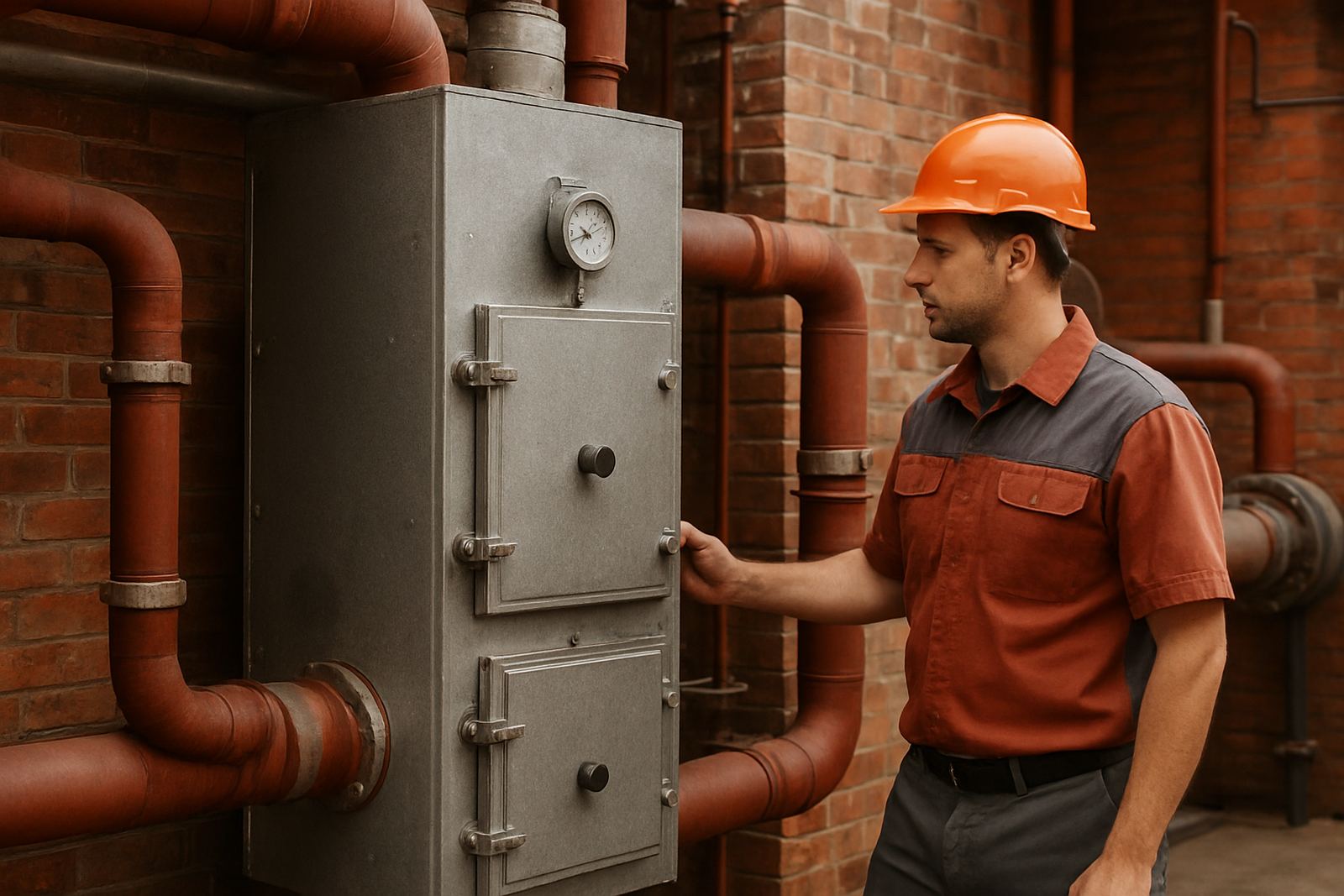
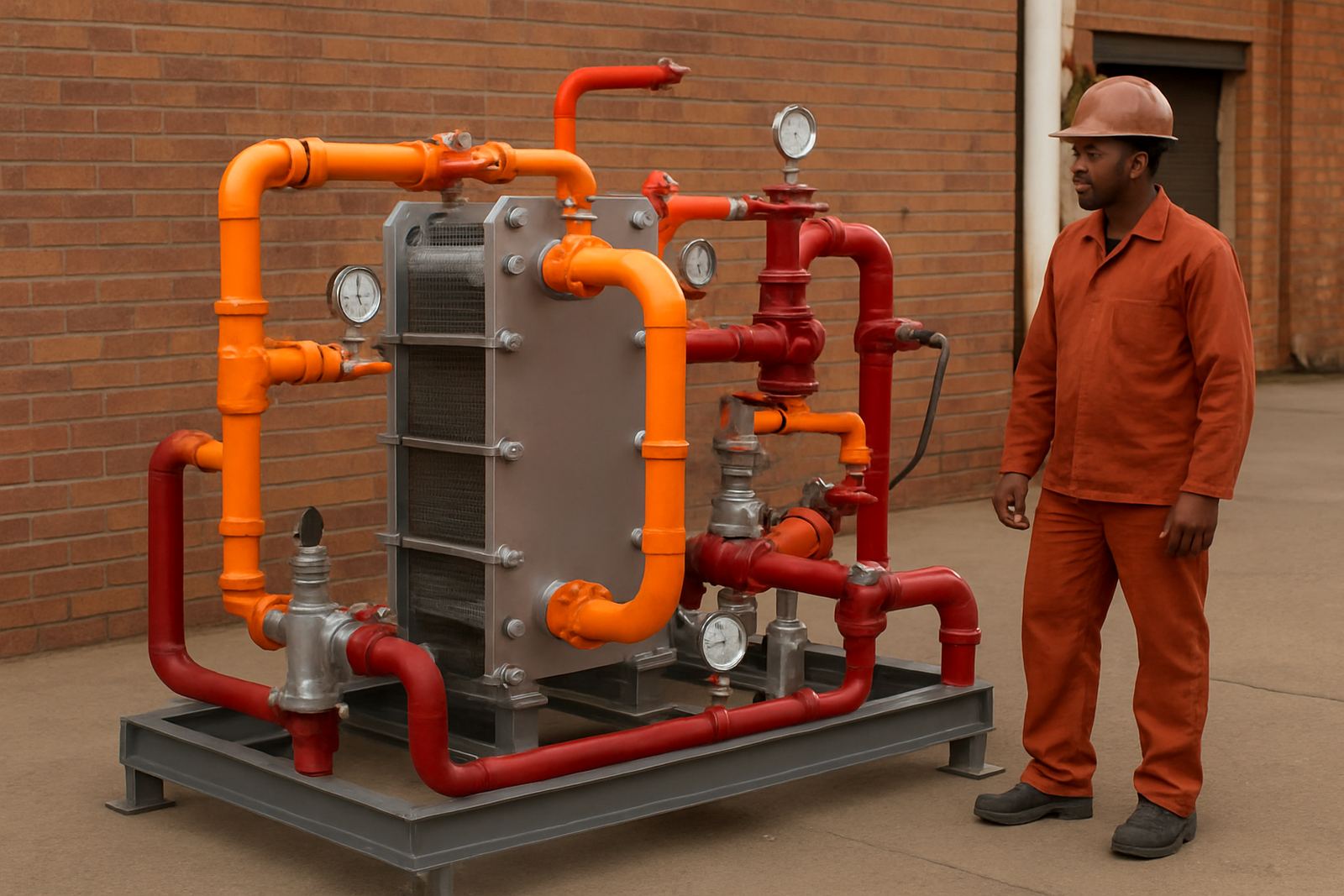
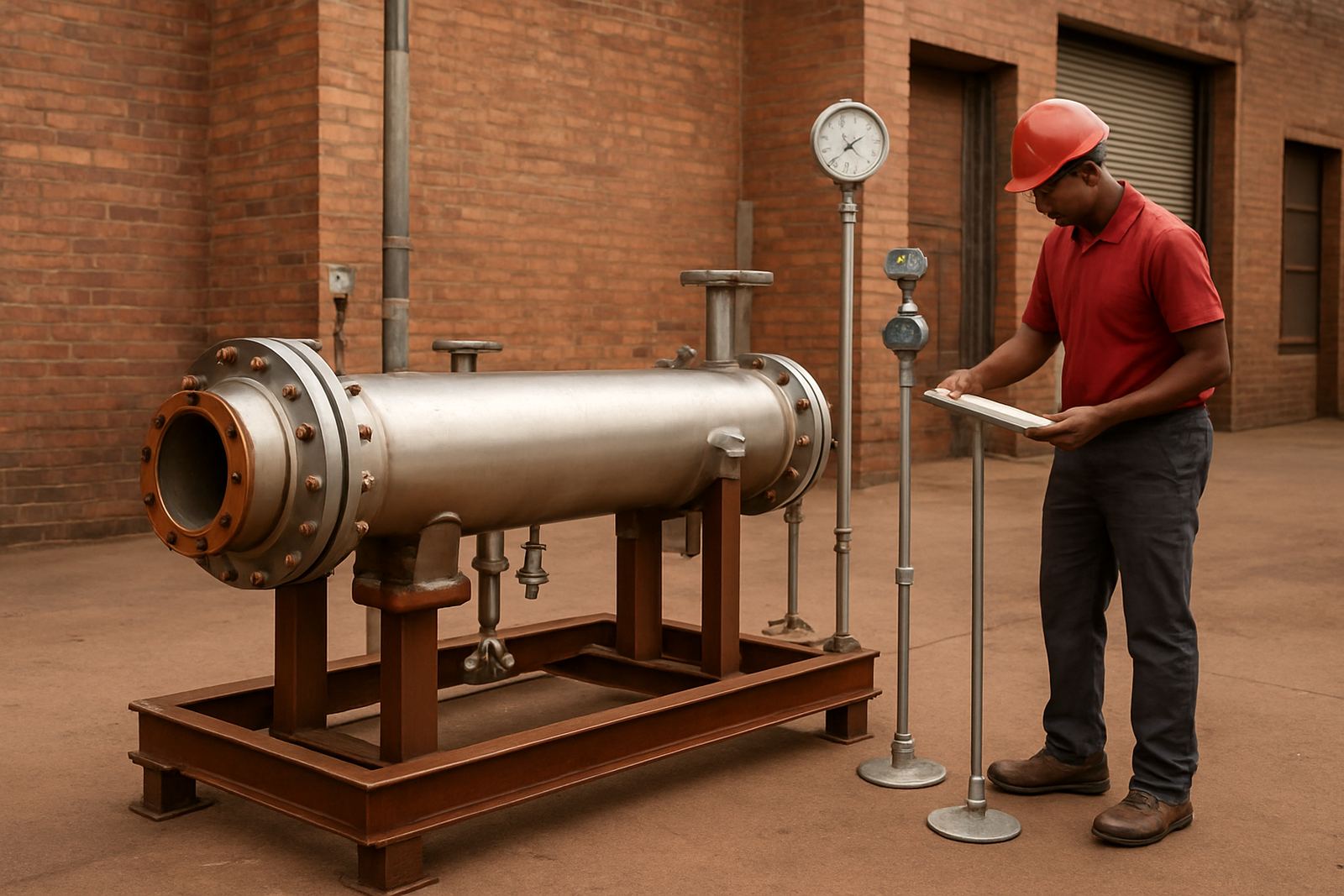
A flanged inline heater is fitted directly into a pipe run so liquid passes through the heated section as part of the normal process. The flanged ends make installation simpler on fixed plant because the heater can be isolated, unbolted and removed for inspection or repair without reworking the full line. That matters on factories, laundries, food plants, wash bays and other sites where downtime costs money.
These heaters are commonly used where stable outlet temperatures are needed for hot water, cleaning water or process support. They are also useful where space is tight and a compact heater is easier to fit than a bulk tank unit. In many Gauteng plants the advantage is practical: fast maintenance, cleaner pipework, and a better way to plan shut-downs during load-shedding windows or after hours work.
Common sizes, materials and element options
Ai-TEC supplies flanged inline heaters in a range of duty sizes to suit light commercial and heavier industrial work. The exact build depends on flow rate, temperature rise, water quality and whether the unit is electric or linked to a boiler or other heat source. We match the heater to the process so it is not undersized or running hotter than needed.
- Flange sizes typically from DN25 to DN150, with special sizes available on request
- Pressure ratings to suit plant systems, commonly PN16 and above where required
- Heat exchanger or element sections in mild steel, stainless steel or copper alloy depending on water quality and duty
- Electrical ratings for single or three phase supplies, with local control panels where needed
- Temperature controls, high-limit cut-outs and flow proving options
For sites close to the coast or with aggressive water treatment, we often recommend corrosion-resistant materials and easier access for descaling. If the feed water is hard or the system sees frequent top-up water, that choice can save a lot of trouble later.
Where flanged inline heaters suit best
These heaters suit plants that need direct line heating rather than storage. They are often fitted on wash water circuits, hot water distribution loops, chemical process support lines, sanitation systems and utility areas. On sites in Germiston, Kempton Park and Boksburg we see them used where a boiler plant feeds several points of use, but one branch needs tighter temperature control.
They also work well where maintenance access is limited. A flanged heater can be lifted out during an annual shutdown, inspected and returned to service without major pipe alterations. For some operations that is the difference between a one-shift stoppage and a longer outage. If the system has mixed use, like process wash and general hot water, we can advise whether a flanged inline unit or a separate calorifier circuit is the better fit.
- Factories and workshops
- Wash bays and cleaning systems
- Food preparation and sanitation areas
- Laundry and linen plants
- Process water support lines
- Commercial buildings with dedicated service runs
Installation needs and power or gas requirements
Correct installation starts with pipe sizing, flow rate and pressure drop. The heater must be placed where the line can be isolated with valves, and where there is room to remove the flanged section for servicing. We also check the support brackets because a filled line puts weight on the pipework, not just on the heater body.
For electric units, the supply must match the heater load and starting current. Three phase supply is common on industrial sites, with dedicated isolators, overload protection and earthing. Where the plant relies on standby generators or runs through load-shedding, we look at the practical draw on the system and whether staged control is better than full demand switching. For gas fired arrangements, proper ventilation, gas train controls and safe flue routing are essential. Municipal and site safety rules must be followed, especially in shared industrial parks and basement plant rooms.
Before install, it helps to confirm the available pressure, temperature range and control location. If the heater is going into a plant room with tight access, we can plan the flanging orientation and lifting points so the next service is easier too.
Care, servicing and shutdown planning
Like any line heater, performance drops when scale, sludge or poor water quality build up inside the unit. Regular inspection keeps heat transfer stable and reduces the risk of nuisance trips. On hard water systems, cleaning intervals may need to be shorter, especially if the heater is doing daily duty and not just backup heating. In humid coastal conditions, electrical terminations and control panels also need attention.
Our service team handles inspections, element checks, thermostat testing, gasket replacement, descaling and fault finding. Where the heater is part of a broader plant we can also support combustion tuning, water treatment, annual inspections and plant refurbishment. The aim is simple: keep the heater working at the right temperature without wasting power or damaging the pipework.
- Check for leaks at the flanges and valve joints
- Test temperature controls and safety cut-outs
- Inspect elements, gaskets and insulation
- Flush scale and sediment from the system
- Confirm electrical terminals are tight and dry
What to confirm before ordering
To supply the right flanged inline heater, we need a few clear details from the site. The more accurate the numbers, the better the fit and the less time is lost on rework. If drawings are available, send them through with the enquiry. If not, a photo of the line and a quick list of operating conditions is enough to start.
- Required flow rate and outlet temperature
- Pipe size, flange standard and available face-to-face length
- Working pressure and maximum temperature
- Liquid type, water quality and any chemical content
- Power supply details or gas availability
- Site location, access limits and preferred maintenance shutdown time
Ai-TEC is based in Jet Park, Boksburg and supports Sandton, Midrand, Pretoria, Kempton Park and Germiston, with national callouts where needed. If the plant needs a new unit, a replacement section or a repair to an existing heater, we can advise on the best route and turn around the work without dragging it out.
Key facts
| Product type | Flanged inline heater for direct pipe installation |
|---|---|
| Typical sizes | DN25 to DN150, larger on request |
| Construction | Mild steel, stainless steel or copper alloy options |
| Supply | Electric or linked to site heat systems, depending on duty |
| Controls | Thermostat, high-limit protection, flow proving and local isolation |
| Typical use | Process water, wash water, sanitation and utility heating |