How a coil type boiler works
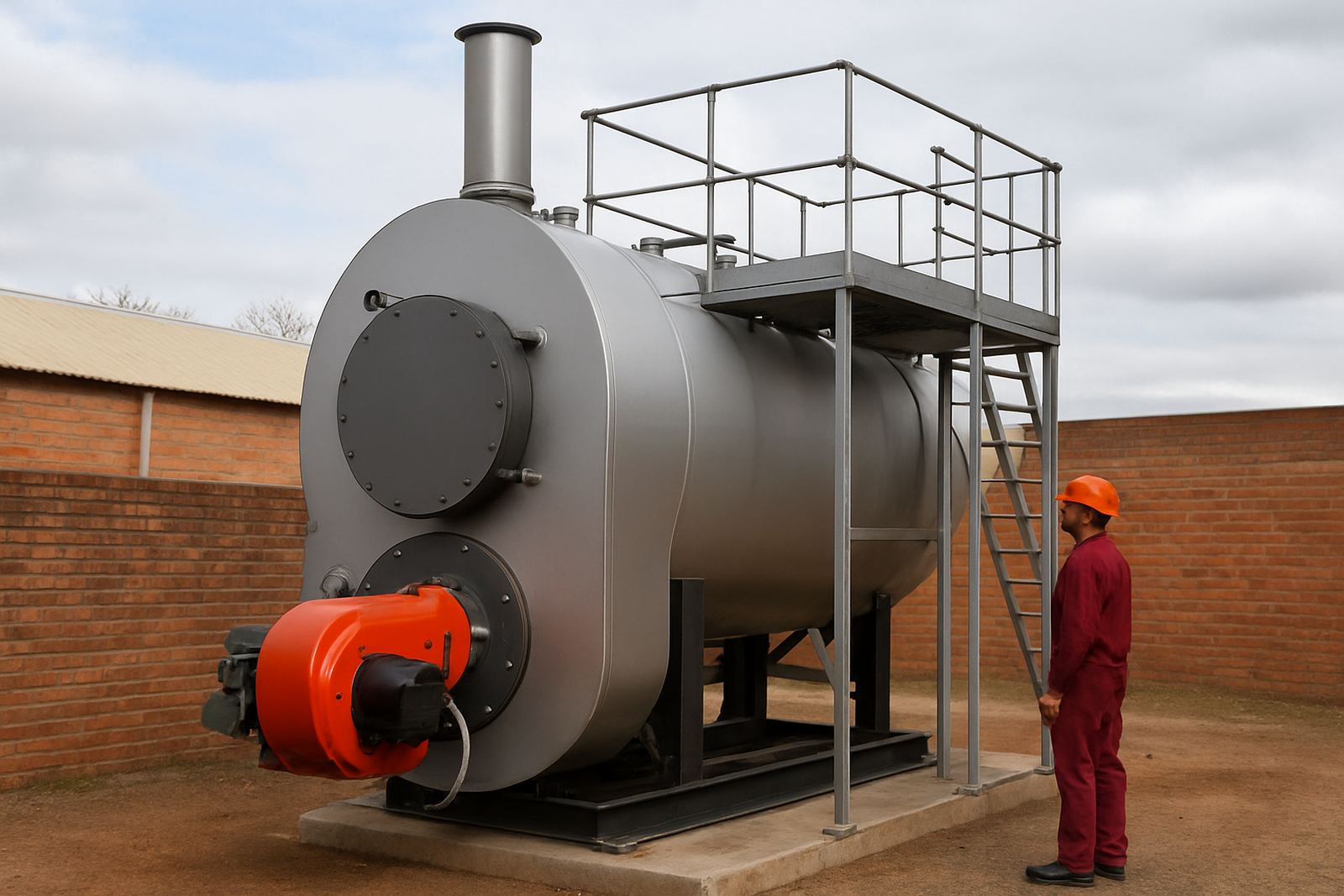
A coil type boiler uses a coiled tube arrangement that heats water very quickly as it passes through the coil. Because there is less stored water than in a large shell boiler, start-up is fast and the unit can suit sites that need short bursts of steam or hot water rather than constant full output.
That makes it a practical choice for plant rooms in Boksburg, Germiston and Kempton Park where floor space is limited and access can be tight. It also helps on sites dealing with load-shedding or variable production, since the boiler can be brought online for a shift, a wash cycle or a batch process without keeping a large volume of water hot all day.
Typical sizes and output options
We supply coil boilers in a range of capacities to match small process loads through to heavier industrial demand. Outputs are selected around the required steam rate, temperature rise and duty cycle, so the correct unit is not only about size, it is about how often the plant runs and how quickly the demand changes.
- Small package units for compact workshops and light process use
- Mid-range units for laundries, food prep areas and batch heating
- Higher output units for plant rooms with repeated daily start-stop demand
- Options for steam generation or hot water service depending on the process
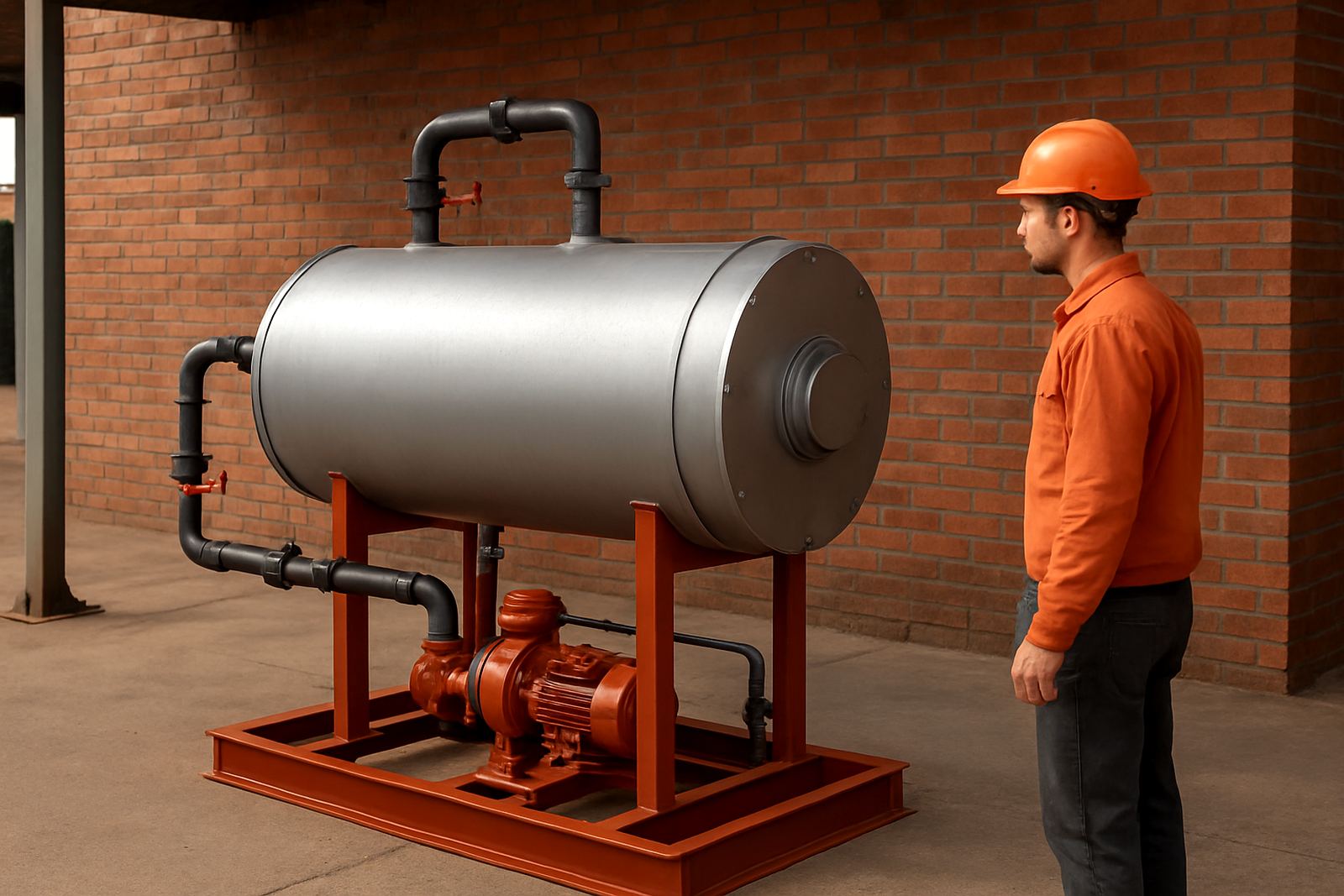
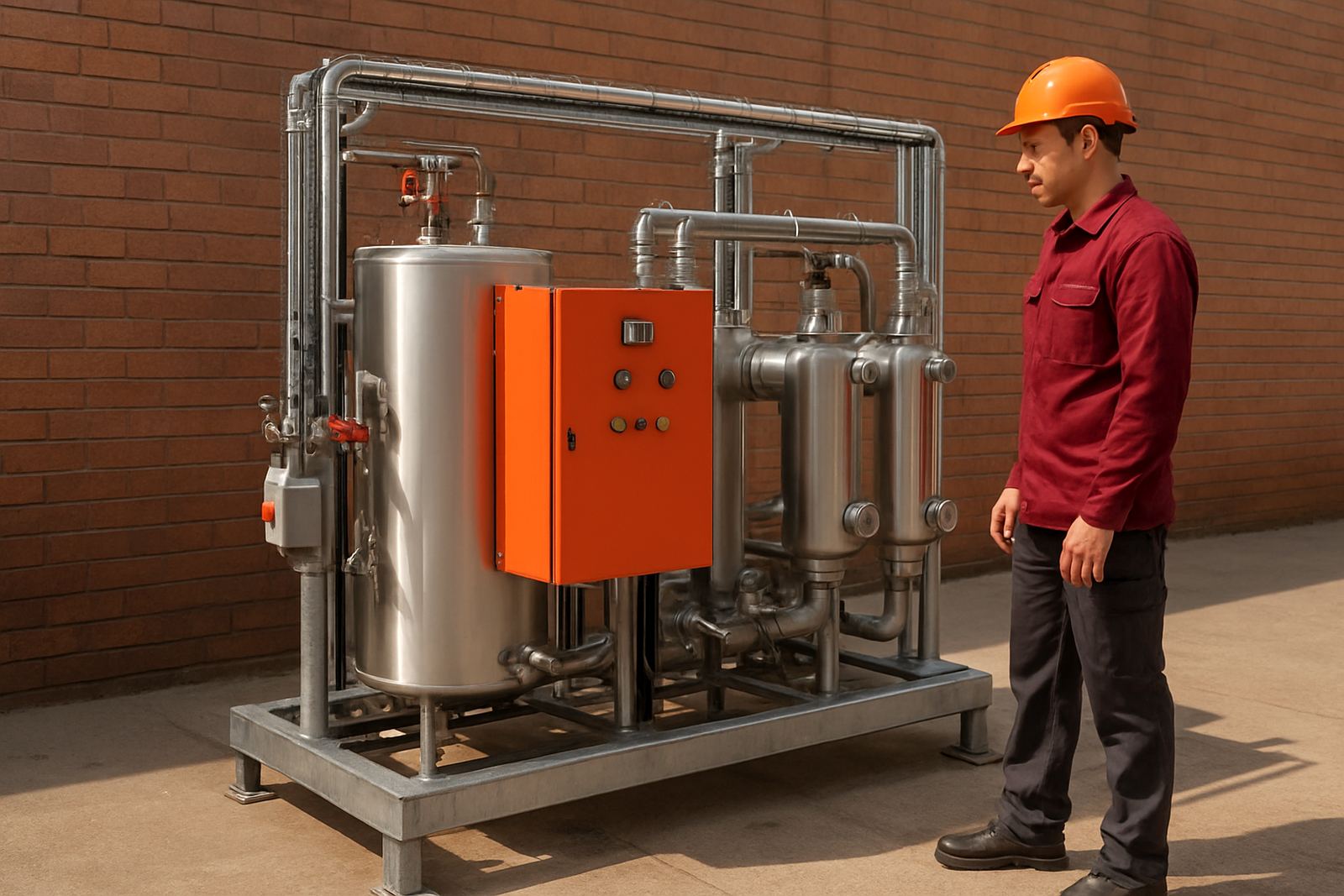
- Skid-mounted layouts for easier delivery and positioning into tight plant areas
Where access is awkward, we can plan the installation around doorway widths, roof openings and turning space at the yard. On some jobs in Sandton or Pretoria that matters more than the boiler footprint itself, because the route into the room can be the limiting factor.
Where coil boilers suit best
These boilers suit sites that need heat quickly and do not want a large warm-up period before production can start. They are often used in food preparation, laundry rooms, sterilising processes, light manufacturing, small chemical operations and general plant utility duties.
They also work well where water quality is managed properly and the boiler is serviced on schedule. A coil boiler that is left to scale up, or run with poor feed water, will lose efficiency and can give trouble on the tubes and controls. Coastal moisture is less of a concern than inland scale in many cases, but it still pays to keep the room dry and the ventilation right.
- Factories with intermittent steam demand
- Plants with limited plant room area
- Sites needing fast heat-up after power interruptions
- Operations wanting lower standing heat loss than bigger stored-water systems
Installation, fuel and power requirements
Installation depends on the exact duty, but coil boilers normally need a good feedwater supply, correct blowdown arrangement, safe flue routing and suitable combustion air. We size the installation around the available fuel, electrical supply and the plant room layout, then check that there is enough access for maintenance and tube cleaning.
Fuel can be gas or another suitable fired arrangement depending on the plant design and site conditions. Electrical requirements cover the controls, pumps, instrumentation and safety circuits, so a stable supply and proper isolation are important. If a site has generator backup for load-shedding, we check that the control panel, burner system and pumps can restart correctly without nuisance trips.
For new work or replacement jobs, Ai-TEC can look at the full scope, including pipe connections, water treatment points and commissioning. That helps avoid the common problem of installing a new boiler and then finding the feedwater plant or flue run needs rework later on.
Care, servicing and uptime
Regular servicing keeps a coil type boiler working at the right output and helps prevent tube fouling, poor combustion and control faults. On busy sites, the main issues are often not dramatic failures but slow loss of efficiency, blocked strainers, drifting settings and untreated water. A boiler that is running hard every day needs more than a once-off look.
Our service teams handle combustion tuning, annual inspections, water treatment support, refractory relining where required and emergency callouts. We also check for burner condition, pumps, pressure controls, safety valves, leaks and signs of scale. A small problem found early can save a shutdown and a lot of cost later, especially where production windows are short.
- Routine combustion checks and efficiency adjustment
- Feedwater and blowdown inspection
- Tube and coil condition checks
- Control and safety device testing
- Planned maintenance to suit shutdown periods
What to check before you order
Before ordering, it helps to define the duty as clearly as possible. That includes whether you need steam or hot water, the required output, the hours of operation and the peak demand pattern. A boiler for two short cycles a day is sized differently from a unit that runs through an entire shift.
Please also confirm the available fuel, the electrical supply, the room dimensions, the flue route and any local municipal requirements for drainage, emissions or plant room safety. If the boiler is going into an existing site, check the condition of the water treatment system and whether the pipework can handle the new duty without throttling the flow. On some older sites, a replacement boiler looks simple until the tie-ins are measured properly.
- Required duty in kg/h or kW
- Steam or hot water application
- Fuel available on site
- Plant room size and access route
- Water quality and treatment setup
- Any shutdown window or production deadline
Key facts
| Type | Coil type boiler for fast-response heating duty |
|---|---|
| Typical use | Steam or hot water for compact industrial plant rooms |
| Output range | Sized to suit light to heavy intermittent process demand |
| Fuel options | Configured to suit the site fuel supply and burner arrangement |
| Installation needs | Feedwater, blowdown, flue, combustion air and electrical services |
| Service support | Boiler servicing, combustion tuning, inspections and emergency callouts |