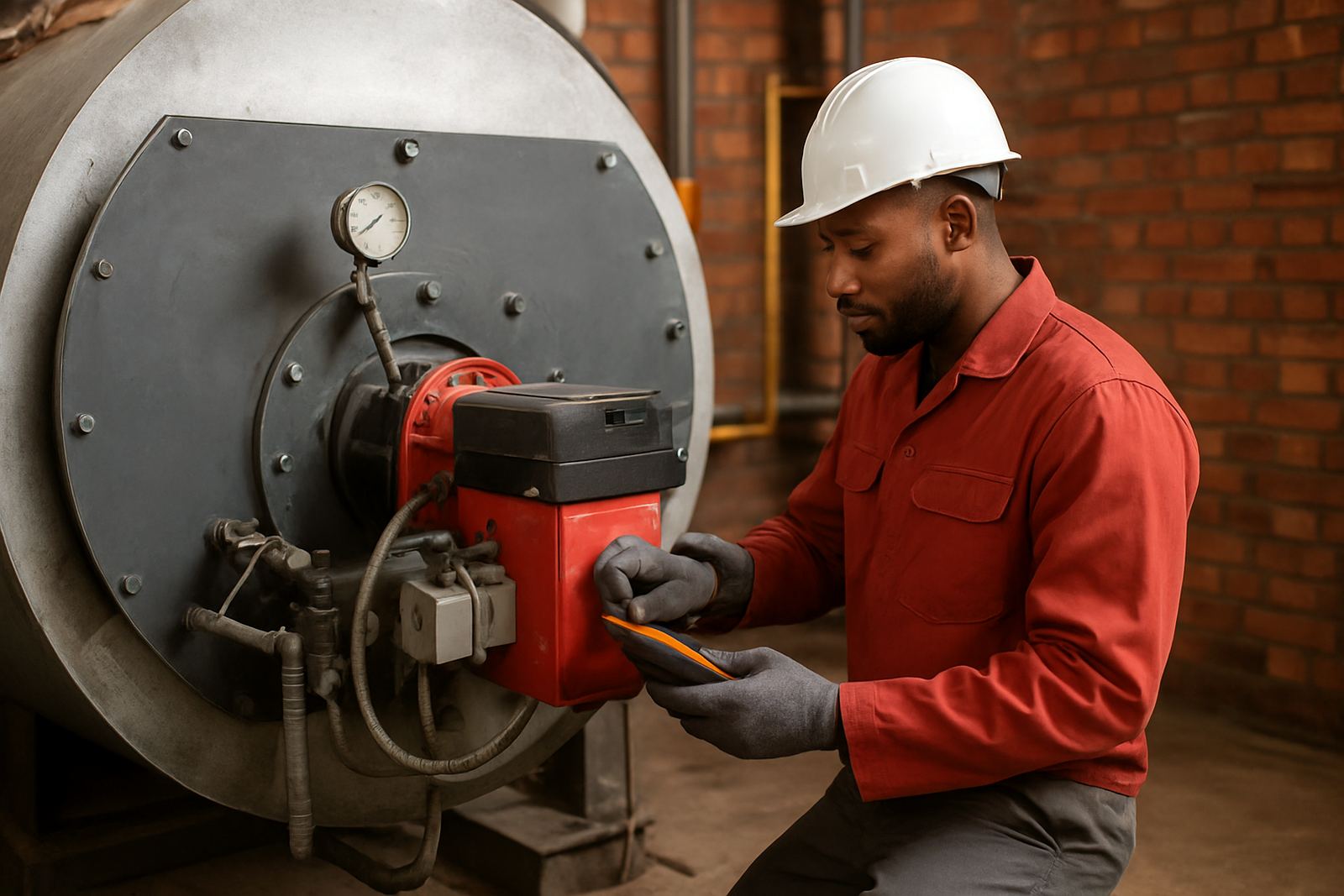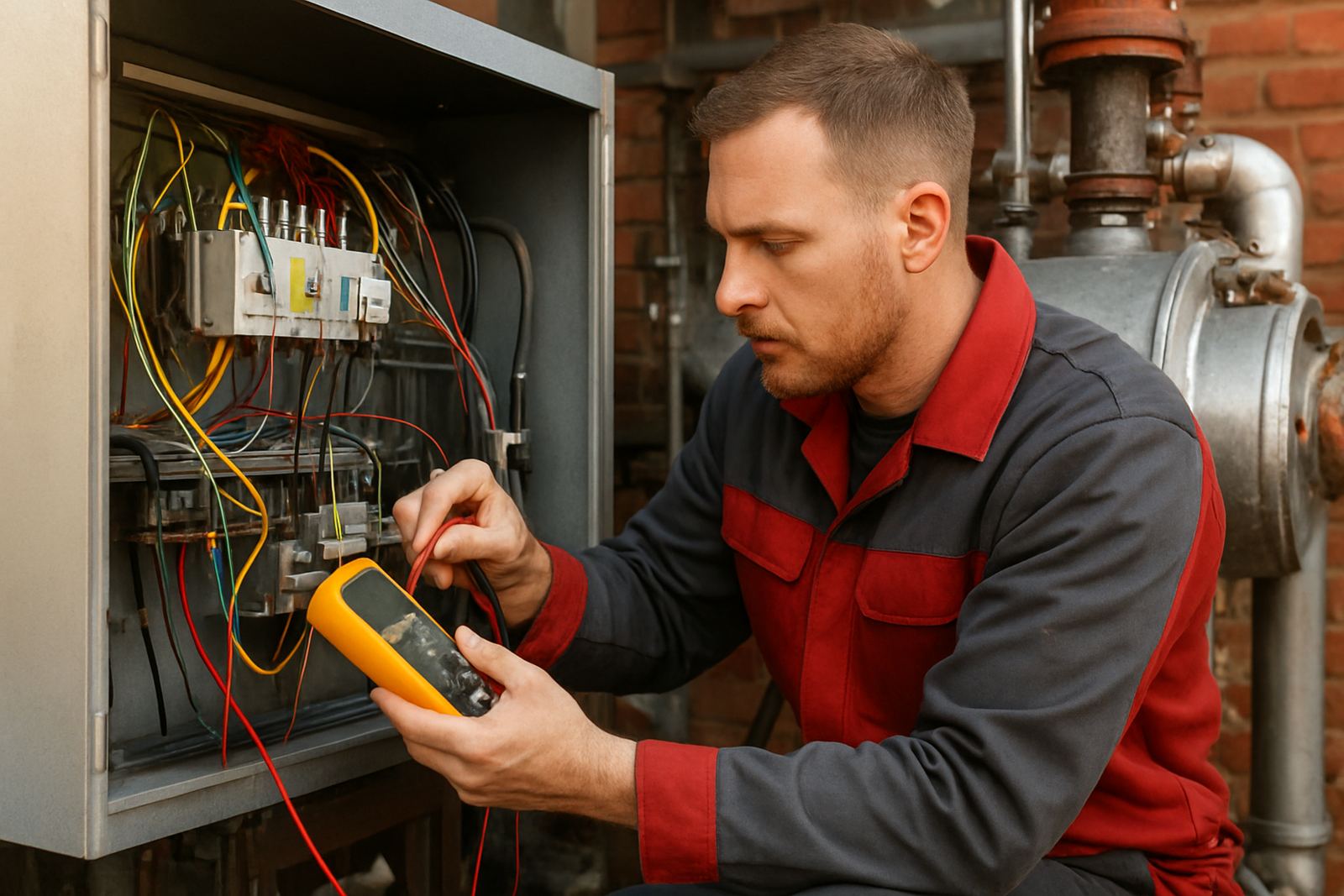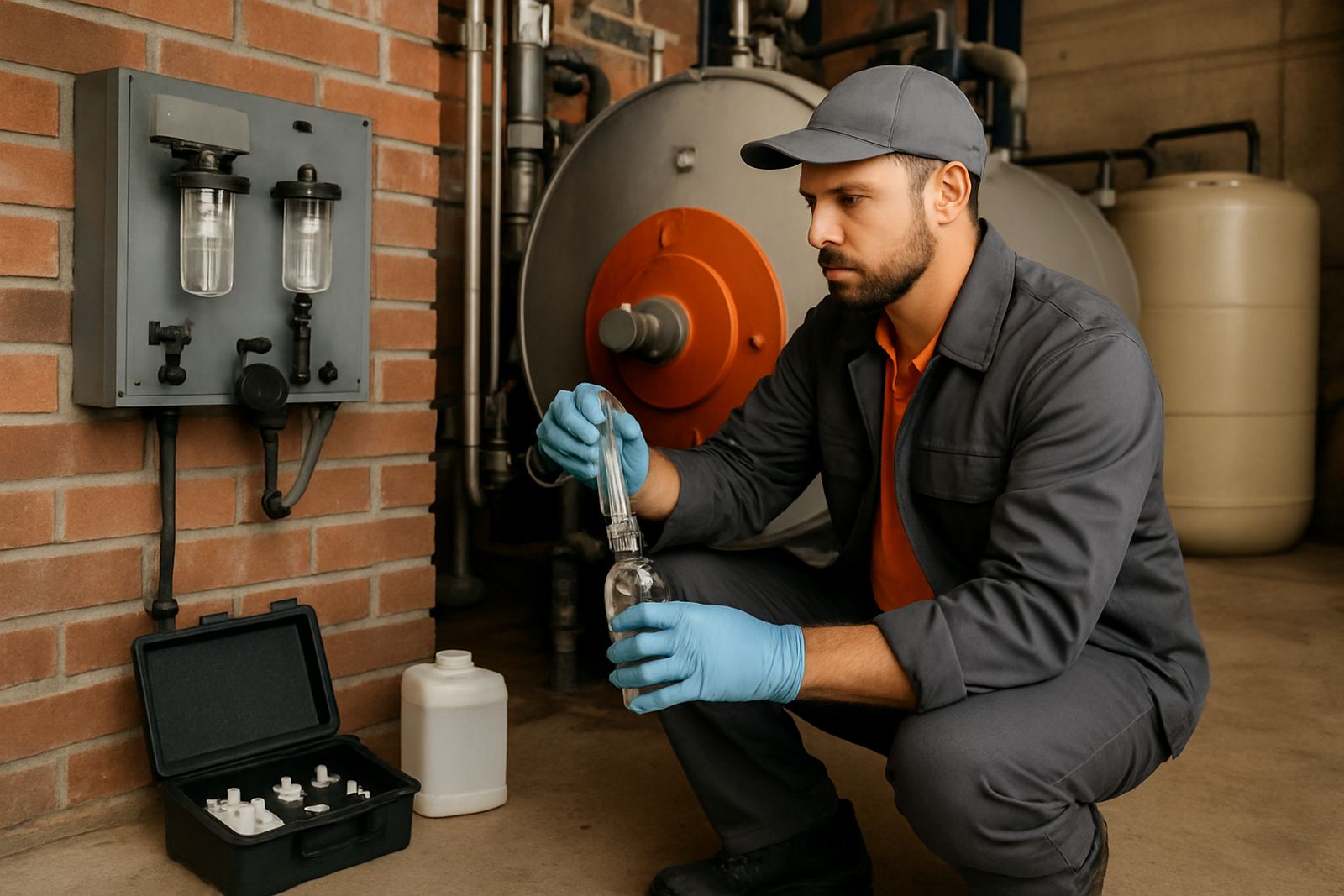
What our water treatment support covers
We support the water side of commercial and industrial boiler systems, from incoming make-up water to treated feedwater and boiler water checks. The aim is simple, keep hardness, oxygen ingress, sludge and carryover under control so your plant runs cleaner and with fewer stoppages. That matters on sites with high daily demand, load-shedding recovery cycles and frequent start-stop operation, because each cold start can change chemistry quickly.
Our support includes dosing checks, control-set reviews, test point verification, scale risk reduction and practical advice on chemical feed rates. We also look at softener performance, blowdown habits, condensate return quality and the condition of strainers, pumps and valves that affect treatment reliability. If a site is running from Jet Park, Boksburg, or supporting plants in Pretoria, Midrand, Sandton, Kempton Park or Germiston, we plan the visit around the production window and water usage pattern.
- Feedwater and boiler water checks
- Dosing pump calibration and control review
- Softener and make-up water performance checks
- Scale, corrosion and carryover risk assessment
- Blowdown and condensate return guidance
Site checks and chemical control on the day
Each visit starts with a quick plant walk and a review of what the boiler is doing right now, not just what the logbook says. We check the source water, storage tanks, dosing lines, sight glasses, sample points and any alarms linked to treatment equipment. If the plant has suffered from erratic municipal supply, borehole water changes or unplanned shutdowns, we account for that before adjusting anything.
Typical control points include pH, conductivity, hardness, total dissolved solids, alkalinity and residual treatment levels where applicable. For steam systems we also check condensate return quality and signs of contamination, because oil or process leaks can undo a good treatment plan very fast. On multi-boiler sites we can compare units side by side to see whether one vessel is drifting out of line.
- pH checks for feedwater and boiler water
- Conductivity monitoring for blowdown control
- Hardness testing to reduce scale formation
- Residual dosing verification where treatment is in use
- Condensate return inspection for contamination signs
Our process from first visit to steady control
We keep the process practical. First we inspect the plant and gather the current water treatment data, then we test and compare actual readings against the boiler operating conditions. After that we confirm whether the issue is chemical dosing, softener performance, poor blowdown, bad make-up water, or a combination of these. There is no point changing one thing if the root cause is elsewhere.
Once the findings are clear, we set the next actions in order. That may mean adjusting dosing rates, replacing a failed probe, cleaning a blocked line, or putting a better sampling routine in place. For plants in coastal or humid conditions, and those with long idle periods, we often recommend tighter checks after weekends or shutdowns because standing water can shift chemistry while nobody is watching.
- Initial inspection and sample collection
- On-site testing and equipment review
- Root cause identification
- Adjustment of dosing or operating controls
- Follow-up visit or scheduled monitoring
Turnaround times and when to call us urgently
For planned support, we usually arrange visits within a short lead time depending on the area and plant access. Gauteng work can often be scheduled quickly, while national callouts depend on route planning and the urgency of the issue. If your boiler is already showing scale, priming, repeated blowdown issues or a conductivity reading that keeps climbing, do not wait for the next maintenance cycle.
Emergency support is useful after a softener failure, chemical pump fault, water contamination event or unexpected carryover. In those cases, fast isolation and a corrected treatment plan can prevent tube damage and keep the boiler available for production. Where needed, we coordinate with servicing, combustion tuning or refractories so the whole system is addressed and not just the symptoms.
For routine jobs, many sites benefit from same-week attendance. Larger plants or multi-site groups may prefer a monthly route with test results and follow-up actions reported in a clear format for the maintenance team.
Pricing approach that suits real plant conditions
We price water treatment support based on the site condition, access, number of boilers, testing required and whether follow-up work is needed. A single boiler with straightforward checks is different from a plant with multiple units, condensate return lines and separate make-up water systems. We quote on the work required, not on a one-size-fits-all rate.
Where the issue is routine monitoring only, we can structure the work as a scheduled service. Where there is scale damage, repeated dosing failure or plant refurbishment needed, we separate diagnostic work from repair work so you can see exactly what is being done and why. That helps the client budget properly and avoids surprises when parts or labour are needed later.
All pricing is given in Rand and can be aligned to maintenance intervals, emergency cover or shutdown planning. If a site is running tight on budget, we will prioritise the controls that protect boiler tubes, pumps and control gear first.
Maintenance intervals that keep treatment under control
The right interval depends on steam demand, water source, make-up rate and how sensitive the plant is to downtime. As a guide, busy boiler rooms often need weekly checks on key readings, monthly review of dosing equipment and quarterly inspection of treatment performance across the full system. Higher-risk sites, especially where water quality moves a lot, may need more frequent visits.
We also recommend extra checks after any outage, softener regeneration problem, major blowdown, pipe repair or municipal water disruption. If your plant is in an area with variable supply, the readings can change faster than expected. Regular support is usually cheaper than correcting scale build-up, tube overheating or corrosion after the fact.
Our team can work alongside in-house maintenance staff, contractors and plant managers. The goal is simple, keep the boiler water within a safe operating range and make the plant easier to run day by day.
Key facts
| Supported systems | Commercial and industrial boiler feedwater systems, condensate return and make-up water treatment |
|---|---|
| Key checks | pH, conductivity, hardness, alkalinity, TDS, residual dosing and carryover indicators |
| Service areas | Gauteng and national callouts from Jet Park, Boksburg base |
| Maintenance intervals | Weekly, monthly and quarterly options, with extra visits after shutdowns or water supply changes |
| Typical risk limits | Hardness kept as low as practical, conductivity and pH set to suit the boiler type and operating pressure |
| Response support | Planned visits and emergency callouts for dosing failure, softener issues and contamination events |