Heat support for regulated manufacturing spaces
On a pharmaceutical site, heat is not only about comfort or hot water. It feeds washdown points, process support, steam generation, sanitation routines and waste handling, all while the plant is expected to stay clean and predictable. A missed service or a drifting burner setting can affect batch timing, cleaning cycles and utility planning very quickly.
Ai-TEC works with factories, packing plants, laboratories and service utilities across Gauteng and nationally. We plan for the practical side too, like limited access around controlled areas, early morning callouts, humidity on the East Rand, and the way load-shedding can interrupt pumps, controls and start-up sequences if backup arrangements are not checked properly.
Typical equipment used on pharmaceutical sites
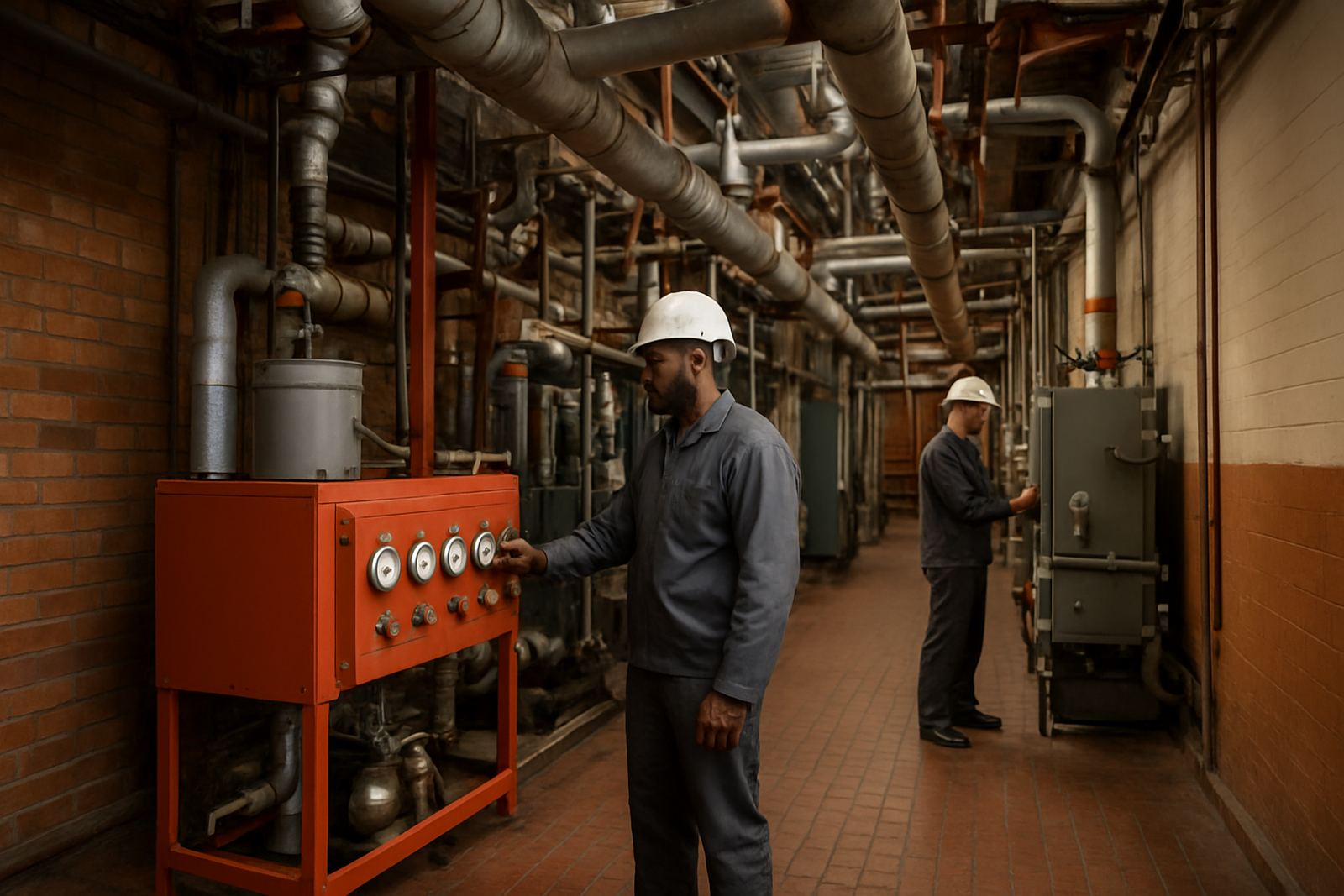
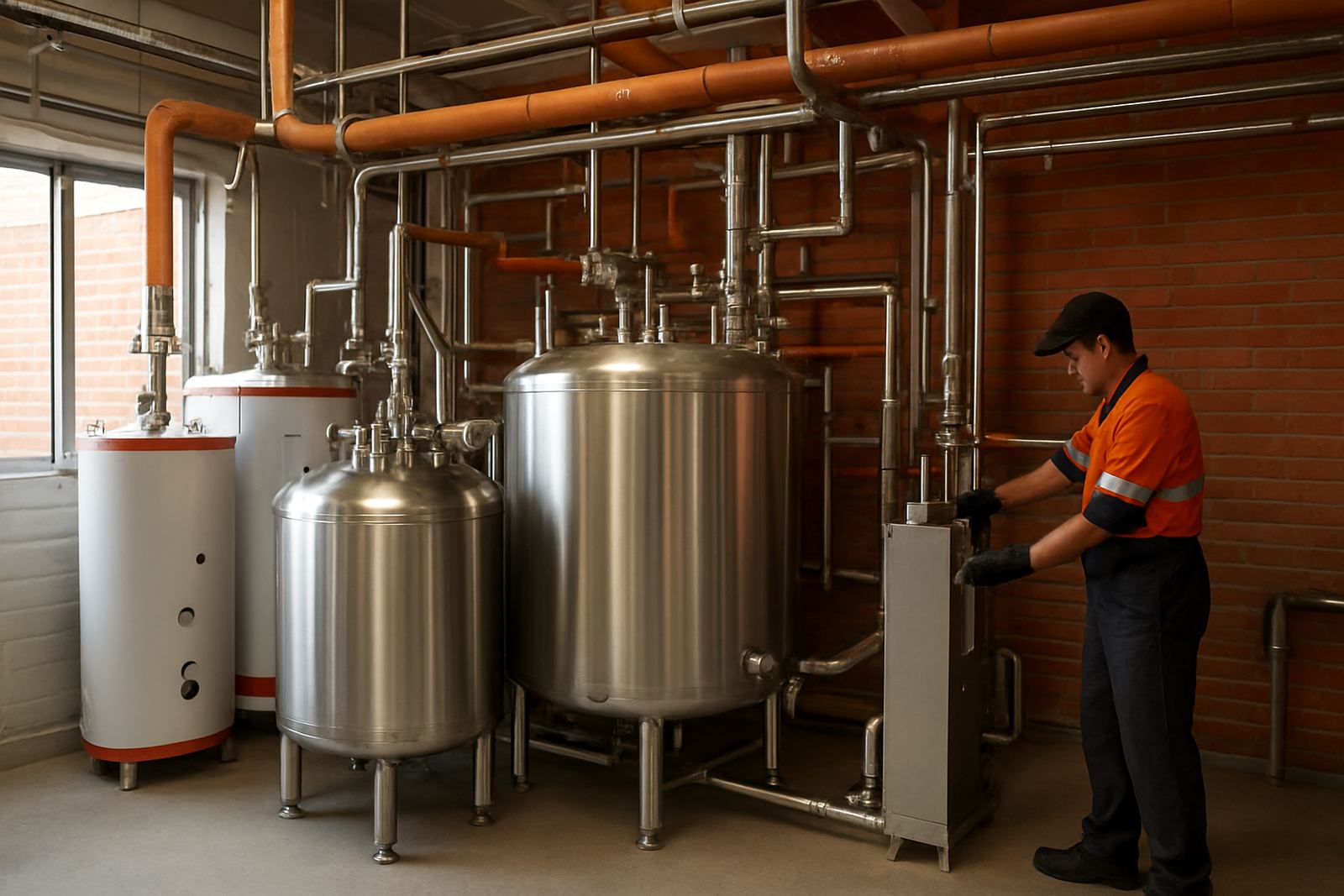
Most sites use a mix of steam and hot water equipment rather than one single system. The exact set-up depends on the building size, product type, shift pattern and cleaning schedule. We service and maintain equipment that often sits behind the scenes but has to perform every day without much attention.
- Steam or hot water boilers for process support and sanitation
- Calorifiers for domestic hot water, wash areas and change rooms
- Inline heaters for localised point-of-use demand
- Incinerators for controlled waste handling where permitted
- Water treatment equipment for scaling control and corrosion protection
- Burner and control equipment for safe temperature regulation
In older plants, we often find a mix of imported and locally fabricated units. That is common in Boksburg, Kempton Park and Germiston industrial areas, where plant rooms get expanded in stages over the years. The important thing is to keep the system serviceable, not to force everything into one standard format.
Layout and planning that saves trouble later
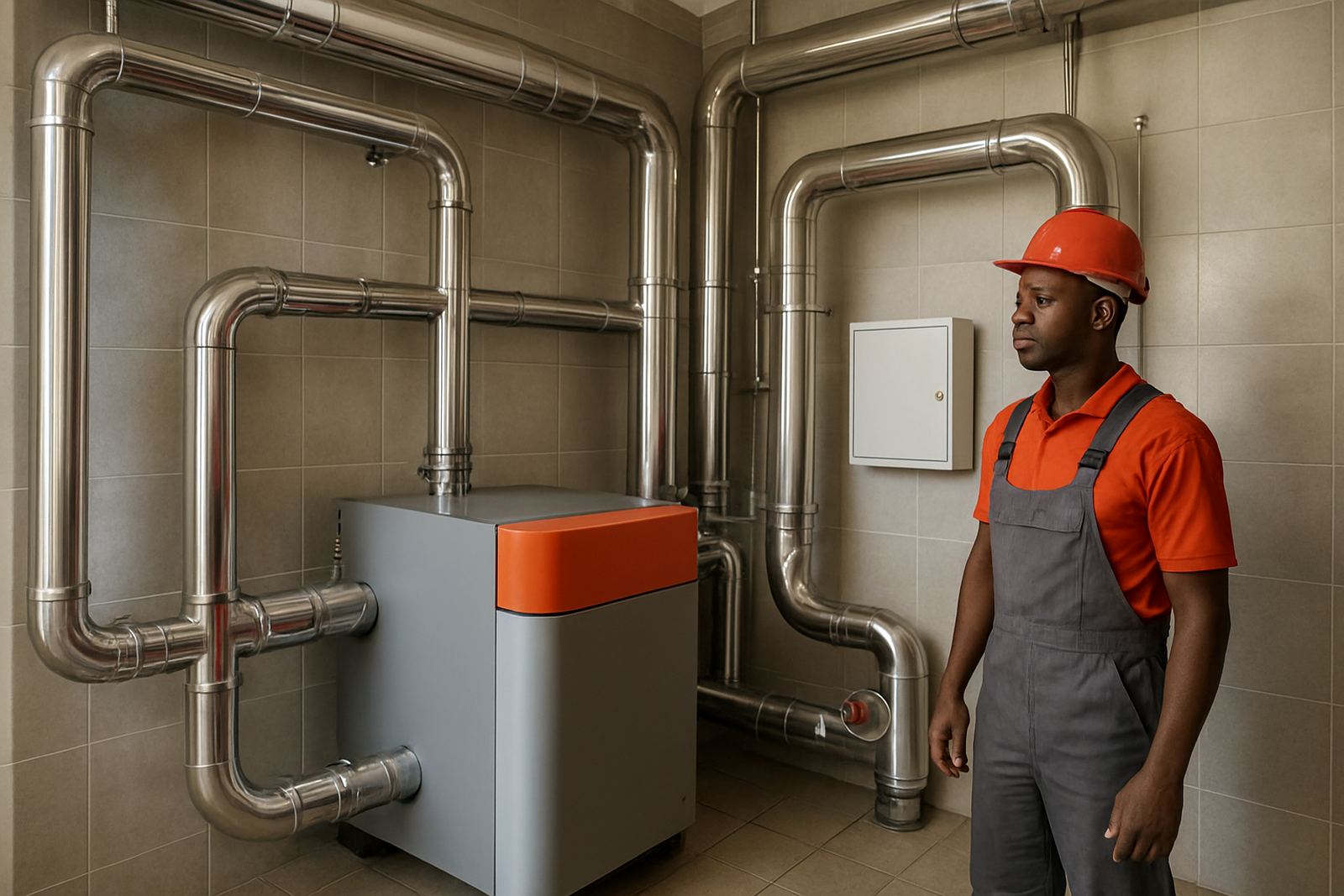
Good planning starts with access. If a boiler or calorifier is boxed into a tight plant room, the next service becomes slow, expensive and sometimes unsafe. We advise leaving enough clearance for burner removal, valve checks, tube inspection and cleaning. If you need annual inspections, make sure there is a proper route for tools, test gear and replacement parts.
For pharmaceutical sites, utility rooms should also be separated from dusty work areas and chemical storage where possible. Drainage must be practical, floor finishes must handle washdown, and pipe runs should be easy to trace for maintenance. If your site is in a municipal area with strict discharge rules, it is worth checking water treatment bleed-off and waste water routing before any refurbishment starts.
- Keep clear access to manways, gauges and control panels
- Allow space for future tube replacement and refractory relining
- Fit isolation valves where sections may need shutdown one at a time
- Use labelled pipework so service teams can work faster during callouts
- Plan backup for load-shedding, especially where hot water is needed overnight
Common mistakes we see on pharmaceutical plants
A common mistake is underestimating how quickly scale builds up in hard water areas. If water treatment is not checked and recorded, heat transfer drops, fuel use rises and tubes wear faster than expected. Another issue is leaving combustion tuning until the equipment starts smoking, tripping or struggling to hold temperature. By then, the plant has often already lost money on extra fuel and downtime.
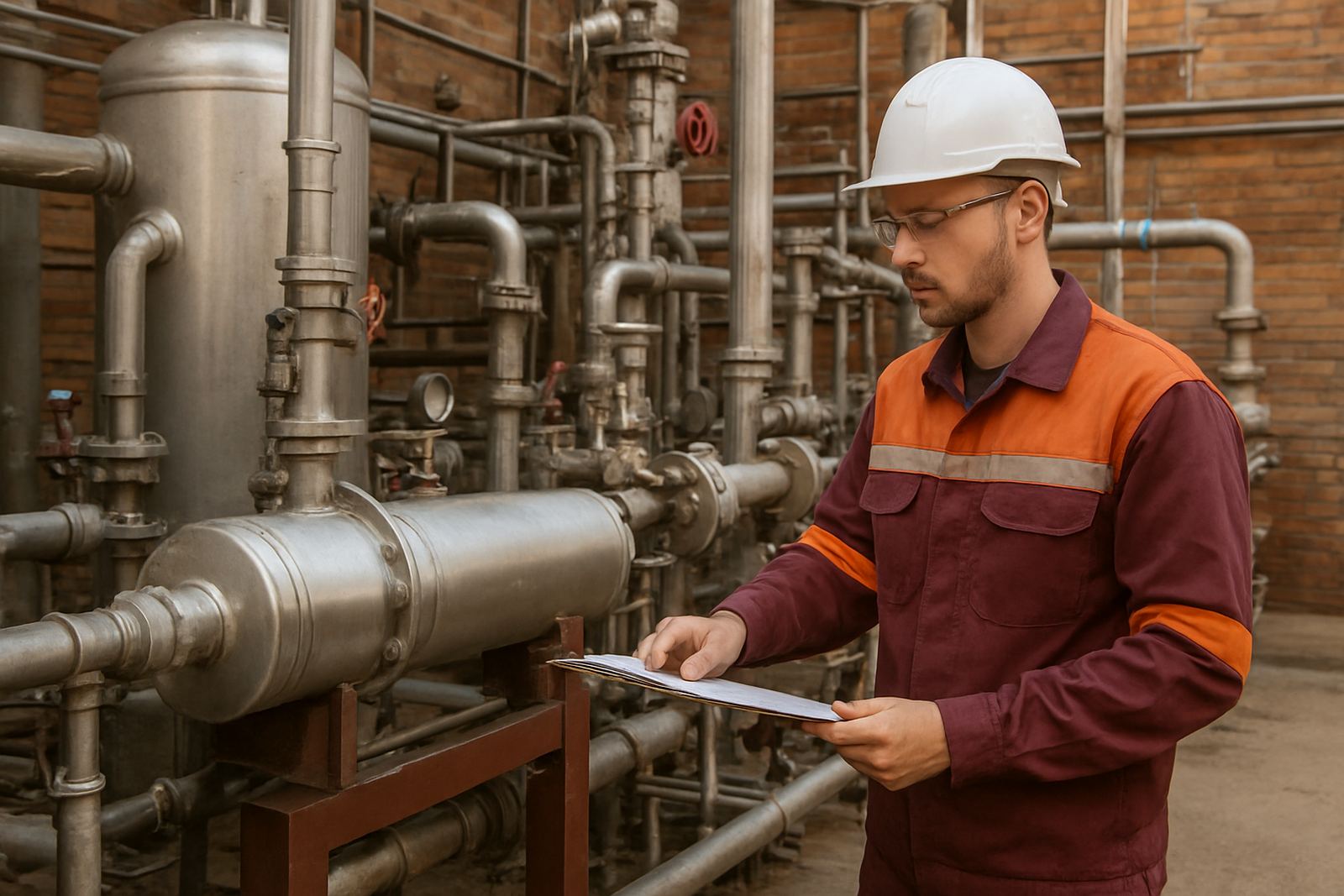
We also see poor maintenance records, which becomes a problem during audits and internal checks. A plant might have had regular work done, but if the servicing history is not easy to show, it causes unnecessary queries. Small leaks, faulty probes, broken insulation and tired valves are easy to ignore until they interrupt a production day. It is usually cheaper to fix these early than to wait for a shutdown.
Another mistake is not planning for emergency response. A boiler fault on a Friday afternoon, or a calorifier problem before a weekend cleaning run, can leave a site under pressure fast. Ai-TEC keeps teams available from our Jet Park base and service areas in Boksburg, Kempton Park, Germiston, Pretoria, Midrand and Sandton so urgent work can be handled without dragging it out.
Service, inspections and emergency response
Pharmaceutical utilities usually need a planned service rhythm rather than a once-off fix. We handle boiler servicing, calorifier maintenance, inline heater repairs, incinerator servicing, combustion tuning, refractory relining, water treatment support, annual inspections and plant refurbishment. Where a site runs critical hot water or steam schedules, we can map the work around cleaning windows and production shifts.
Our service teams work on routine checks and also on callouts when a plant is off schedule. That includes burner faults, faulty controls, low water issues, circulation problems, hot water recovery problems and general wear from long operating hours. For sites with compliance pressure, we focus on clear reporting so the maintenance record matches what was actually done on site.
Budget ranges for pharmaceutical site projects
Budgets depend on equipment size, access, plant condition and whether the job is maintenance, repair or full replacement. A smaller service intervention might start from about R8 500 to R18 000 for inspection-driven work, minor repairs or tuning on a single unit. Calorifier repairs and heater fault-finding can sit in the R12 000 to R35 000 range when parts and labour are included.
For larger boiler servicing, tube cleaning, burner overhaul or refractory work, many sites should allow R25 000 to R75 000, depending on the unit and shutdown window. Refurbishment projects, control upgrades and plant rework can move from around R85 000 into the several-hundred-thousand-rand range where access is difficult or multiple systems are involved. We usually advise budgeting for one planned maintenance reserve and one emergency reserve, because pharmaceutical plants cannot afford to be caught flat-footed when a utility trips.
If you want a practical estimate, send the equipment list, plant room photos and your site location to engineering@ai-tec.co.za. From there, we can advise what needs attention first and what can be planned into the next shutdown.