Heat plant that fits mining and workshop duty
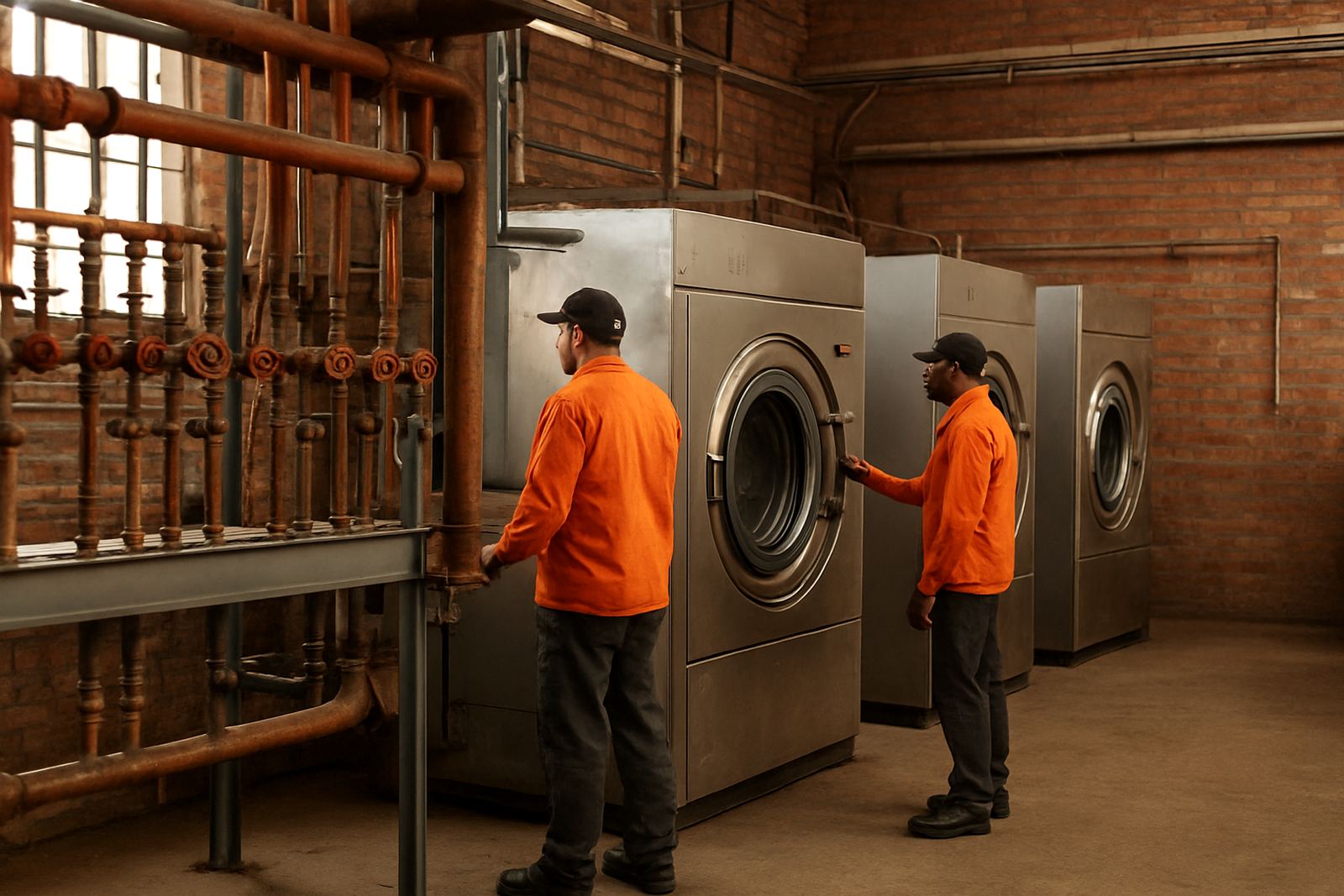
Mining and workshop operations usually need hot water and process heat in places where the plant room is not tidy or easy to access. You may have a remote wash bay, a camp laundry, a tyre bay, a fitment area or a maintenance workshop that runs before sunrise and after dark. In those settings the equipment has to cope with dirt, vibration, long run hours and the odd power dip.
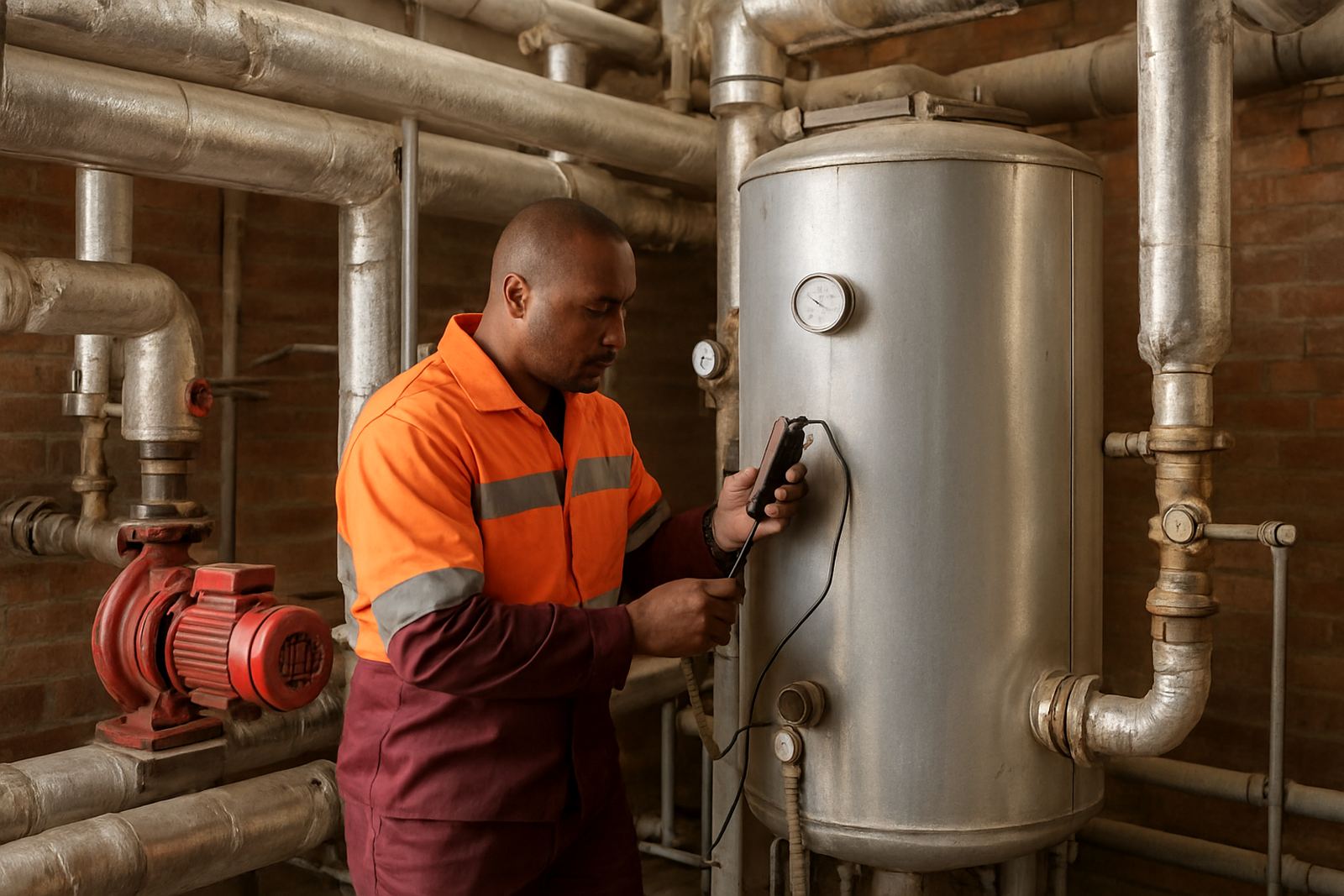
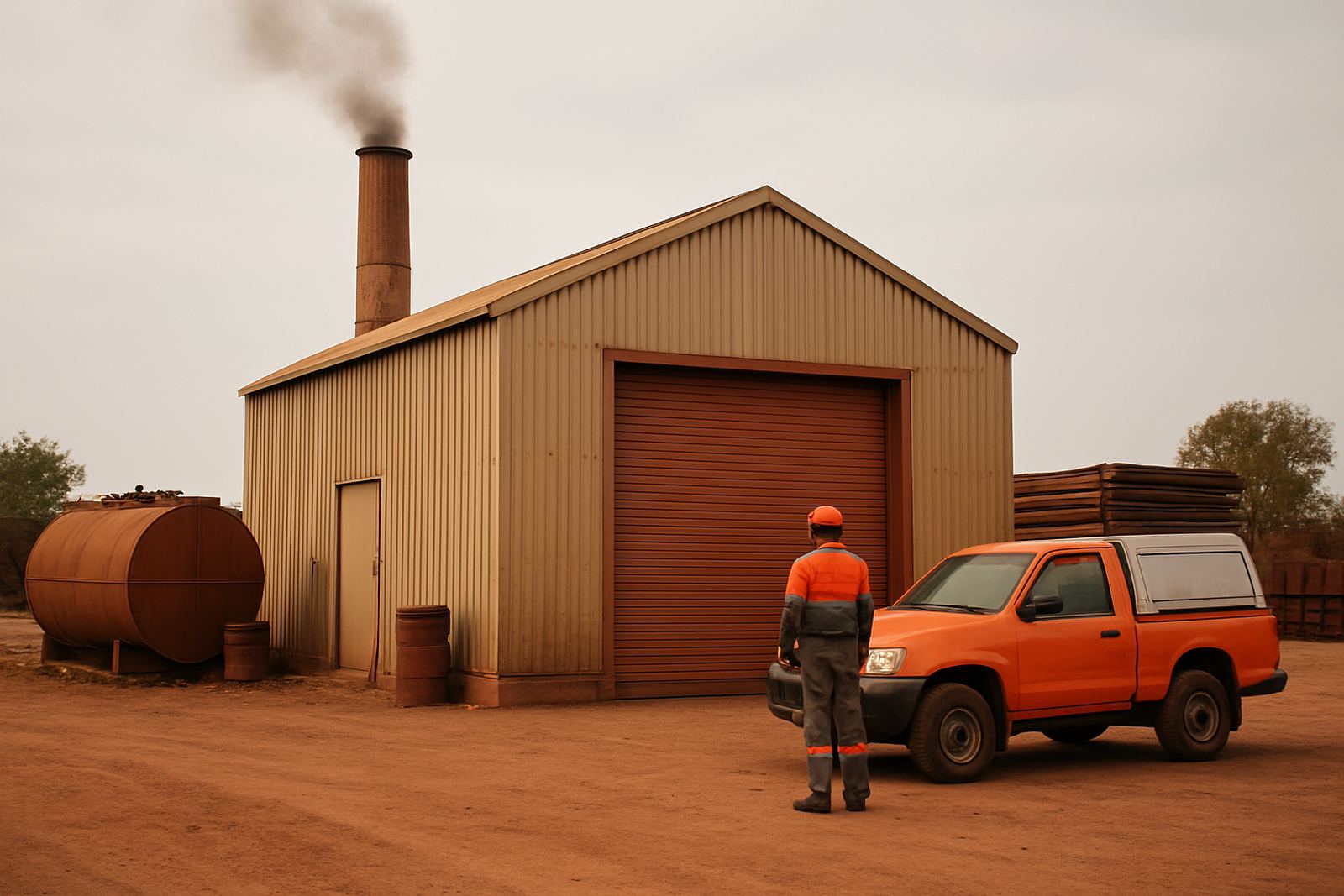
We work on commercial and industrial boilers, calorifiers, inline heaters and incinerators for these sites. The aim is simple: enough capacity for the job, sensible fuel use and a layout that makes servicing practical. If the plant is tucked into a container or a steel shed, we can still plan for access panels, flue routing, drainage and safe clearances.
Typical equipment for mines, camps and workshops
The right set-up depends on what has to be heated and how often. A wash bay at a mine may need fast recovery for several users at once, while a camp may need steady domestic hot water for ablutions and kitchens. A workshop may need hot water for cleaning parts, pressure washing or process support. We match the equipment to the duty cycle not just the nameplate size.
- Boilers for space heat, wash bays and central hot water generation
- Calorifiers for stored domestic hot water where demand peaks in the morning and late afternoon
- Inline heaters for direct heating where storage space is limited
- Incinerators for controlled waste handling at remote sites
- Combustion tuning and water treatment support to reduce scale and fuel waste
We also look at backup arrangements. At mine sites, a single failed heater can stop hygiene services or slow a production shift, so it is often worth planning redundancy from the start. A second unit may cost more upfront but it can save a lot of downtime over a year.
Layout and planning advice for remote sites
Good planning saves money later. We often find that a site has enough budget for the plant itself but not enough thought has gone into pipe runs, water quality, fuel storage or service access. Then every inspection becomes awkward and expensive. The better approach is to treat the boiler room or heater bay as part of the working plant, not an afterthought.
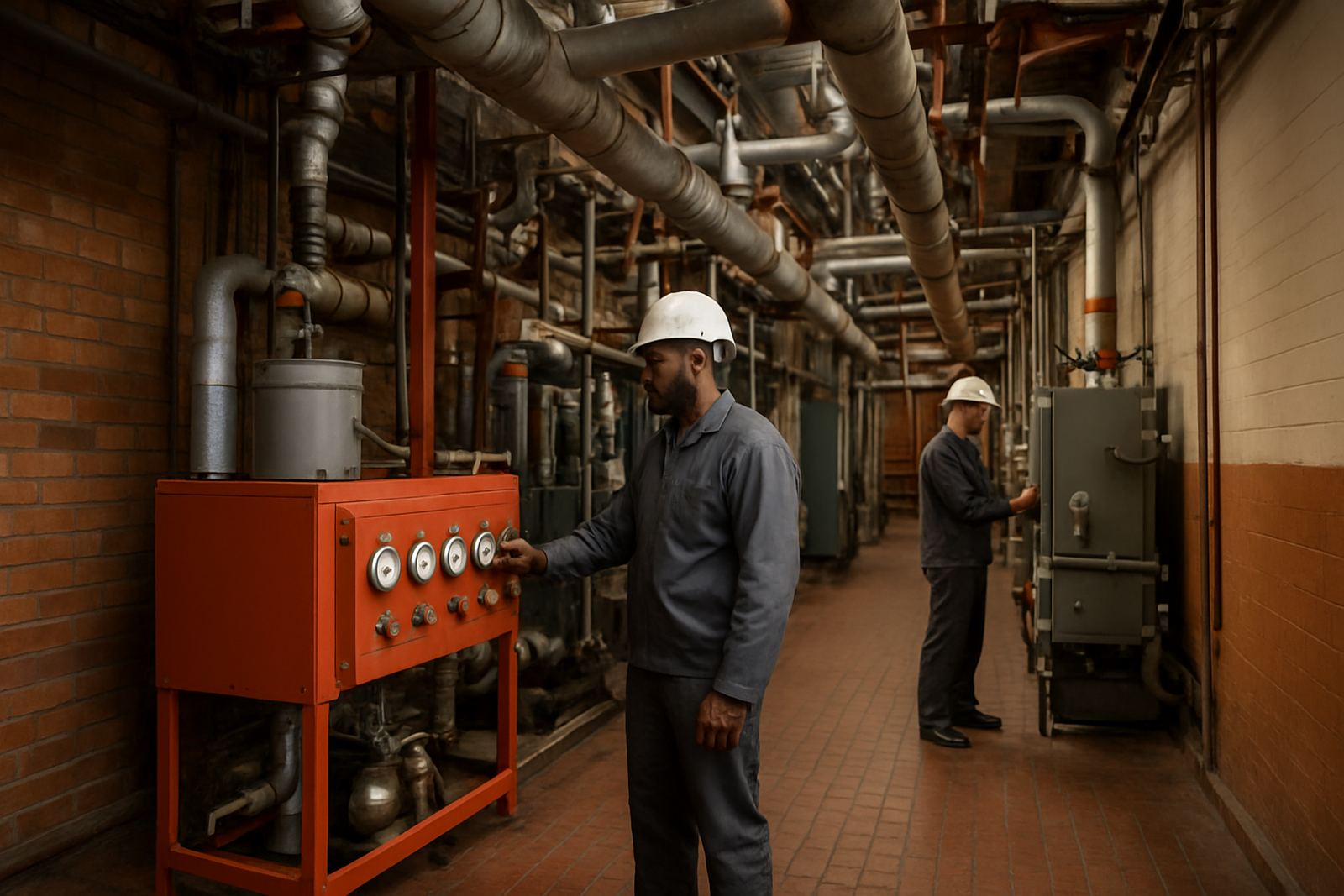
Allow space for valve access, burner removal, circulation pumps and control panels. In dusty areas the plant should be kept out of direct traffic where possible. If the site is coastal or the water supply is aggressive, we plan for corrosion protection and regular checks because salty air and poor treatment will shorten the life of the equipment fast. For sites dealing with load-shedding, we also consider what must stay online during outages and whether a generator interface or staged restart is needed.
- Keep service access clear on all sides of the main units
- Plan flues and discharge points early so they meet site rules
- Check water hardness and treatment before commissioning
- Allow for lockable isolation and safe maintenance shutdowns
- Separate pedestrian routes from hot plant and chemical storage
Common mistakes we see on mines and in workshops
One common mistake is undersizing the hot water system because the site only looks at average use. In practice, several teams may hit the showers or wash bay at once, and a small unit runs flat out with poor recovery. Another issue is fitting equipment in a tight room without enough clearance for servicing, which turns a simple annual inspection into a full day of dismantling.
We also see poor water treatment, especially where borehole water or hard municipal supply is used. Scale builds up on heat transfer surfaces, fuel use climbs and the system starts tripping more often. Missed combustion checks cause the same problem. A burner that is slightly out of tune can waste a surprising amount of diesel or gas over a month, and nobody notices until the account lands.
On remote sites the real risk is usually not the purchase, it is the lack of maintenance planning. If spares are far away and no one knows who to call after hours, a small fault can sit for days. That is why we recommend a clear service schedule, named contacts and a response plan for emergency callouts.
Maintenance support that keeps shifts moving
Ai-TEC offers boiler servicing, calorifier maintenance, inline heater repairs, incinerator servicing, emergency callouts, combustion tuning, refractory relining, water treatment support, annual inspections and plant refurbishment. For mines and workshops, routine attention is not optional. It keeps temperature stable, lowers fuel spend and helps avoid unplanned shutdowns.
Our service teams operate from Gauteng with support in Boksburg, Kempton Park, Germiston, Pretoria, Midrand and Sandton. We regularly assist sites around the East Rand, the West Rand, Tshwane, the Vaal and further out where plant needs proper follow-through. If a unit is beyond a simple repair, we can assess whether refurbishment is better than full replacement, especially where the shell and ancillaries still have life left.
Budget ranges in Rand for mine and workshop projects
Every site is different, but budget guidance helps when you are planning an upgrade or a new build. A smaller inline heater or limited hot water system may start in the lower tens of thousands of Rand, while a well-planned boiler and calorifier installation for a busy wash bay or camp can move into the mid to high hundreds of thousands. Larger plant, multiple units, flue work, pumps, controls and civil changes can take the total higher still.
For refurbishment and maintenance, many clients budget separately for annual servicing, burner setup, water treatment and emergency repairs. That way the plant does not sit waiting for a once-off capital approval when it needs attention. We can quote on a full supply and install basis or on service-only work if the equipment is already in place. The important part is to build in the real costs: access, shutdown windows, transport, lifting, spares and commissioning.
- Small repair or service work: usually a few thousand Rand to low tens of thousands
- Routine annual maintenance: often budgeted as a scheduled site cost
- New industrial heat plant: commonly from the mid tens of thousands upwards
- Full plant refurbishment or multi-unit systems: project pricing based on site scope
If you are comparing options, ask for a breakdown of equipment, installation, commissioning and future maintenance so there are no surprises later.