Where Laundry Plants Lose Time and Heat
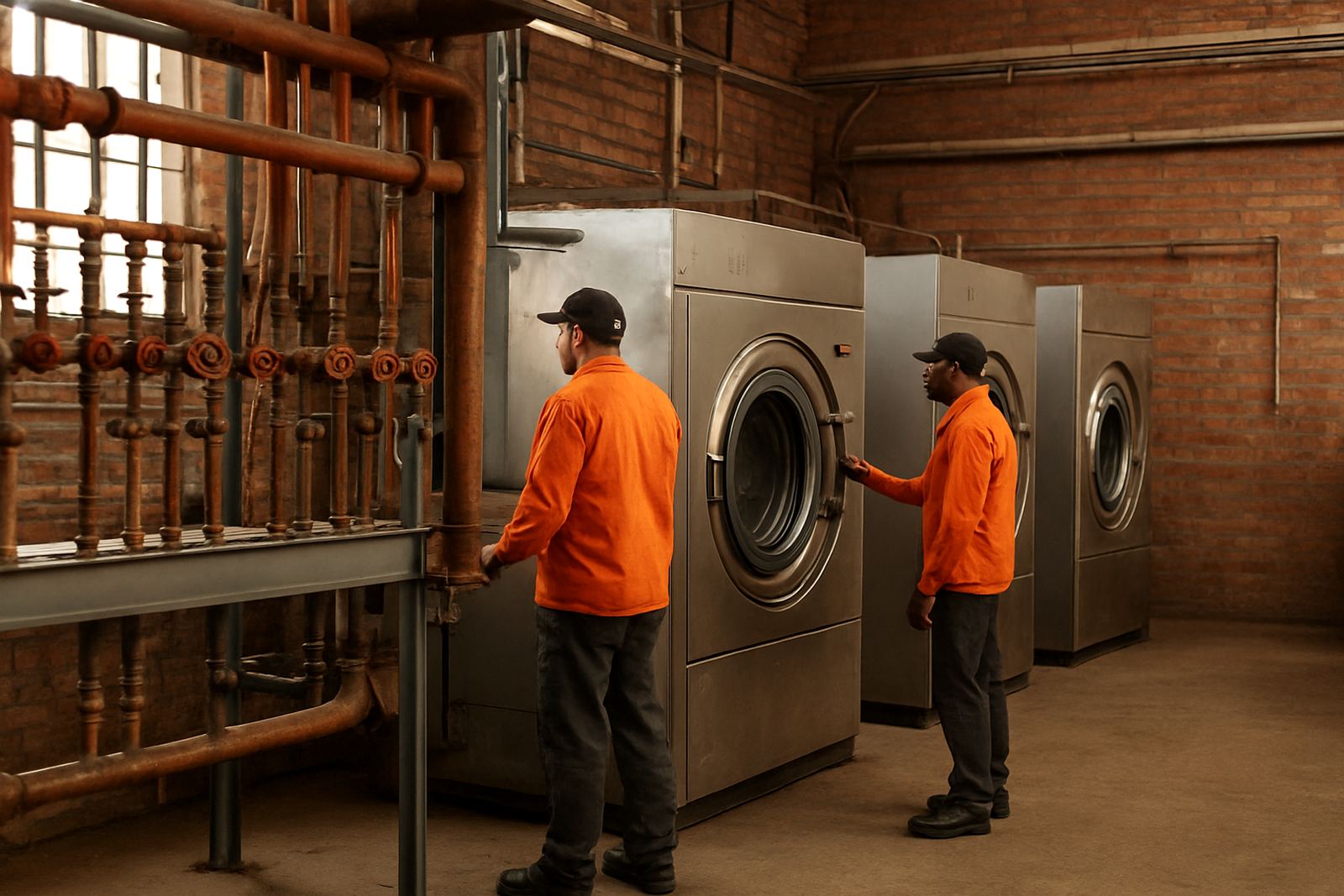
Most laundry sites run on a tight cycle. The washing tunnel, extractor, ironer, drying room and press section all depend on hot water and steam arriving at the right temperature, at the right pressure, every shift. When the boiler struggles, rinse times stretch out, linen comes through damp, and the whole plant starts chasing output instead of keeping to schedule.
We often see the same pressure points in industrial laundries around Boksburg, Kempton Park, Germiston and Pretoria. Older plant rooms were built for smaller loads, while the production side grew with extra machines, longer shifts and more demand for steam during peak contract work. Load-shedding makes that worse because a boiler that is already marginal has to restart under poor conditions, and operators end up wasting fuel just to recover temperature.
In Gauteng, the dry winter months can hide a weak system because demand is high but manageable. In coastal work, humidity and corrosion make the pipework, valves and controls age faster. Either way, laundry managers need heat plant that is sized for real throughput, not just the original spec sheet.
Typical Heat Equipment in an Industrial Laundry
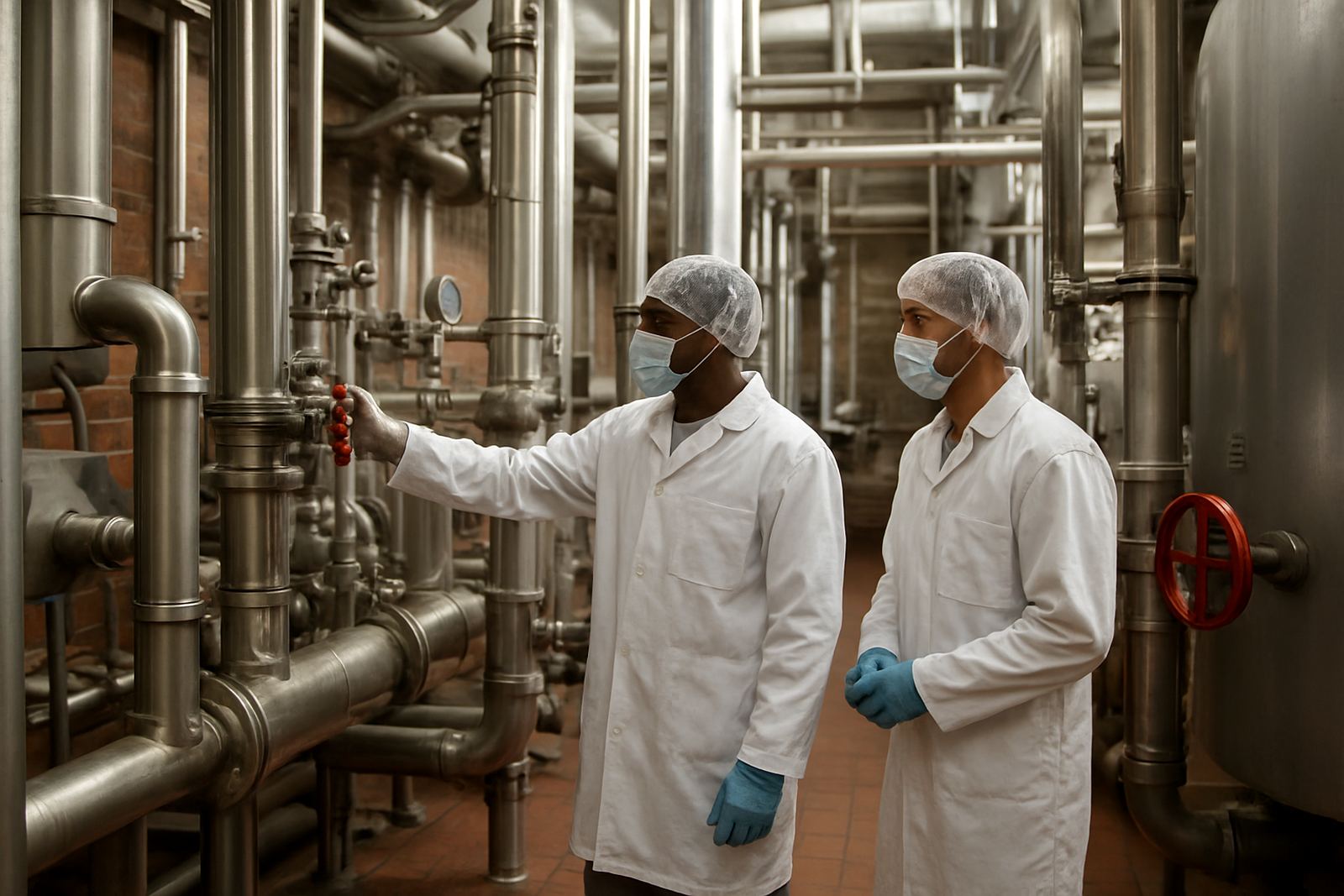
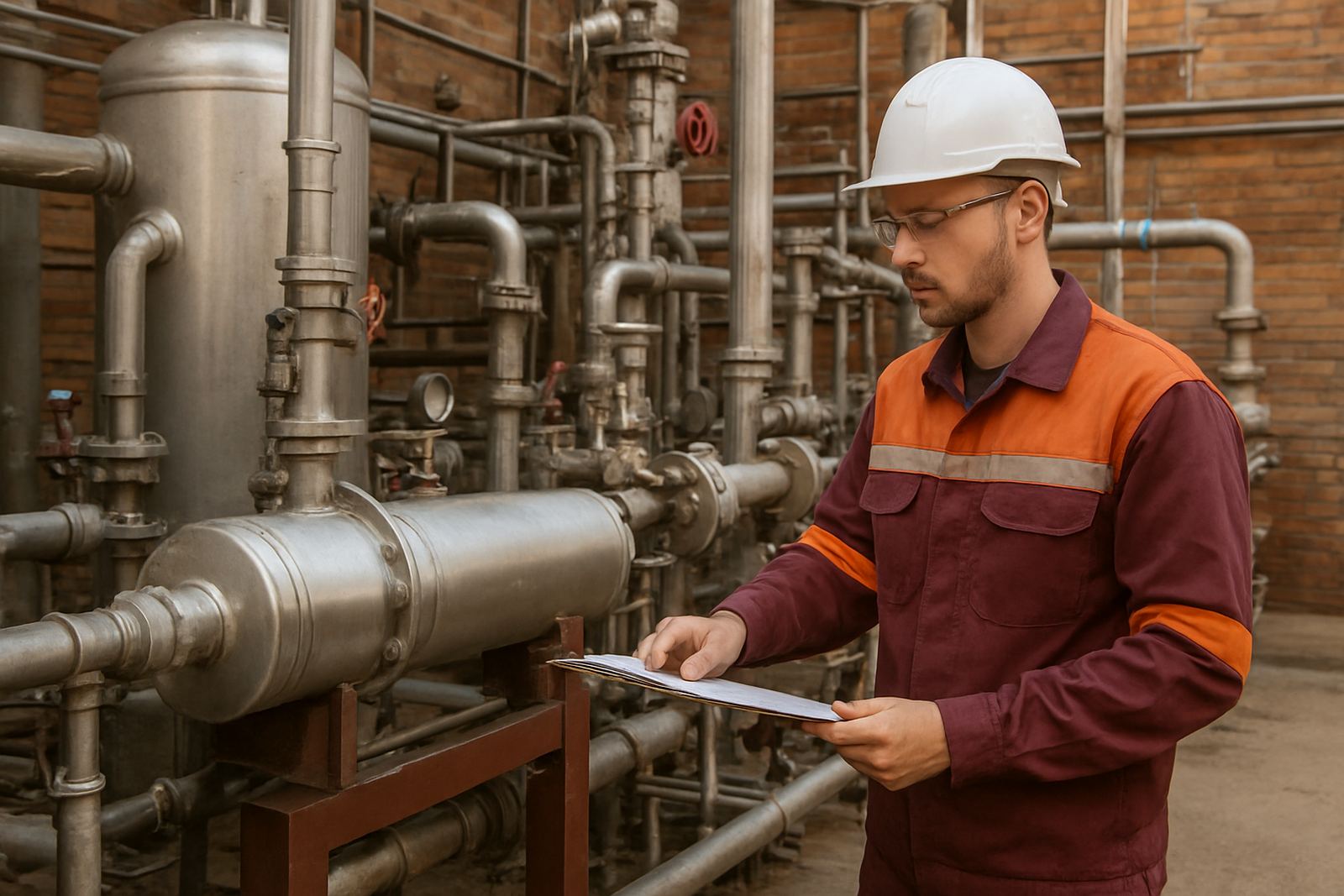
An industrial laundry normally relies on a mix of steam and hot water equipment. The exact set-up depends on the size of the plant, the wash formula, and whether the site is running continuous batch loads or a more flexible mixed operation. We work on systems that need dependable supply, safe control and practical access for servicing.
- Steam boilers for washers, presses, finishing lines and humidification support
- Calorifiers for high volume hot water storage and fast recovery
- Inline heaters where point of use heating is needed for specific process lines
- Water treatment equipment to reduce scale, corrosion and premature tube failure
- Combustion controls, pumps, valves, steam traps and distribution pipework
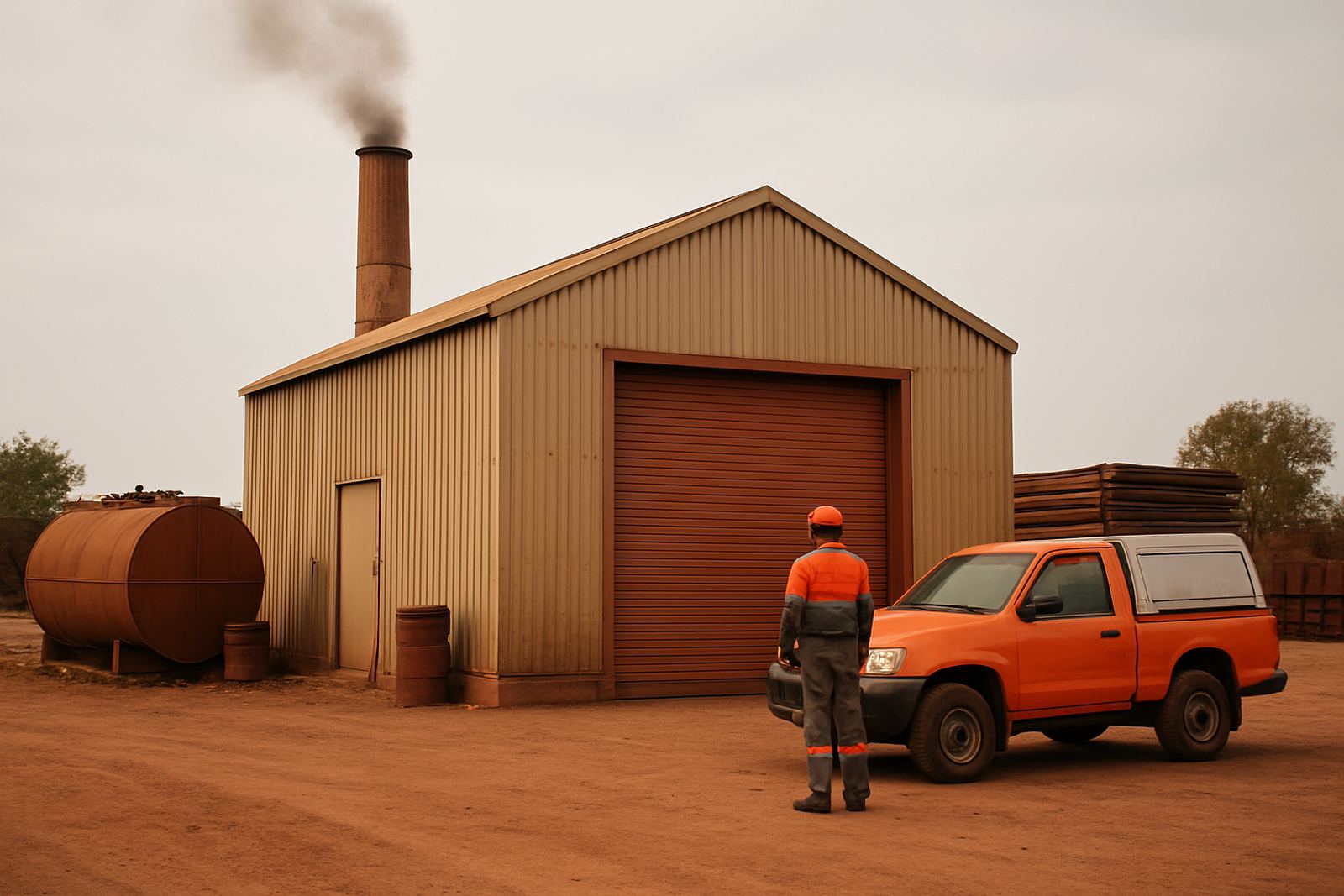
- Incinerators where approved waste handling forms part of the site process
A common mistake is to focus only on boiler size and ignore what happens after the boiler room. Poorly insulated lines, undersized returns, failed traps and badly placed valves can waste a lot of energy. That extra fuel cost shows up every month, and in a laundry it also shows up as slow turnaround times when production is under pressure.
Planning the Plant Room for Daily Laundry Load
Good planning starts with the real laundry cycle, not just the nameplate rating of the machines. We look at peak wash hours, simultaneous drying demand, hot water recovery, chemical dosing temperatures and how much steam is needed during start-up and finishing. If the plant runs early morning and late afternoon peaks, the boiler and calorifier have to recover quickly enough to avoid bottlenecks.
Space matters as much as capacity. A plant room needs safe access for tube cleaning, burner work, refractory repairs and water treatment checks. If equipment is squeezed into a corner, the maintenance team ends up taking longer to do simple jobs, which adds downtime and labour cost. We also look at flue routing, make-up air, drainage, blowdown points and floor falls so that the room stays workable after a leak or a washdown.
For laundries in industrial areas, municipal compliance can affect everything from effluent handling to stack position and noise. It is worth checking local requirements before adding a new boiler or changing fuel type. Small planning errors at the start can become expensive once a project is already in motion.
- Keep clear access around boilers, calorifiers and chemical dosing points
- Allow for future growth if contract volumes are likely to increase
- Separate clean electrical panels from damp washdown zones
- Plan for bypasses and isolation valves so one unit can be serviced while the rest stays live
Common Mistakes That Push Up Fuel Use
Many laundry plants do not fail in one big event. They drift into higher fuel use, more callouts and uneven heat delivery. The usual causes are simple enough, but they get ignored because the plant still seems to be working. By the time operators notice rising gas, diesel or electricity costs, the system has already been underperforming for months.
One common issue is untreated or badly managed water. Scale builds up inside tubes and heat exchangers, which means the boiler has to work harder for the same output. Another issue is blocked steam traps and leaking valves. These faults are easy to miss in a noisy plant, but they waste steam all day. We also see control settings left unchanged after a production change, so the boiler keeps firing for an old load that no longer exists.
In laundries near coastal or humid areas, corrosion and condensation can damage casing, flanges and fittings faster than expected. In Gauteng, dust and poor ventilation often create their own problems. Either way, annual inspections and combustion tuning should be part of the operating routine, not an emergency step after breakdown.
- Ignoring water treatment until a tube leaks or the calorifier scales up
- Running with failed traps, bypassed controls or leaking valves
- Choosing a boiler size from old records instead of current throughput
- Skipping pre-winter checks before higher hot water demand starts
Maintenance That Keeps the Wash Line Moving
For an industrial laundry, maintenance has to work around production, not shut it down for days. Ai-TEC carries out boiler servicing, calorifier maintenance, inline heater repairs, incinerator servicing, combustion tuning and refractory relining, with emergency callouts when a site cannot afford to stop. Our service teams work from Jet Park and cover Boksburg, Kempton Park, Germiston, Pretoria, Midrand and Sandton, with support nationwide.
Regular service helps with more than uptime. It improves fuel economy, reduces smoke and keeps the plant within safe operating limits. On some laundry sites we also support annual inspections and plant refurbishment so that old equipment can keep working while the site grows around it. Where needed, we check water quality, advise on treatment, and help the client decide whether repair or replacement makes better financial sense.
A laundry manager usually wants three things: fewer breakdowns, predictable running cost and clear answers when something goes wrong. That is the way we approach the heat side of the plant. We keep the focus on practical fixes, spare parts that are still serviceable, and work that fits production windows.
Budget Ranges for Laundry Heat Systems
Budget depends on boiler size, fuel type, pipework condition, access and how much of the existing plant can be reused. A small repair job might only involve valves, controls, traps or tuning, while a full plant upgrade can include a new boiler, calorifier, burners, ancillaries and distribution changes. In some laundries the hidden cost is not the unit itself but the downtime needed to tie it into the live process.
As a broad guide, annual servicing and basic maintenance can run from around R12 000 to R45 000 for smaller systems, while larger industrial laundry plants may sit higher depending on the number of units and access time. Calorifier repairs and inline heater work can range from about R8 000 to R60 000. A more involved refurbishment or partial replacement project can start around R150 000 and move well above R500 000 for higher capacity sites. If a plant needs a full redesign, the figure can be much higher, especially where steam distribution and water treatment also need attention.
The best value usually comes from addressing the heat side before it becomes an emergency. That means planned service, correct sizing and a realistic maintenance schedule. A laundry that runs every day cannot afford guesswork.