Why abattoir heat has to keep moving
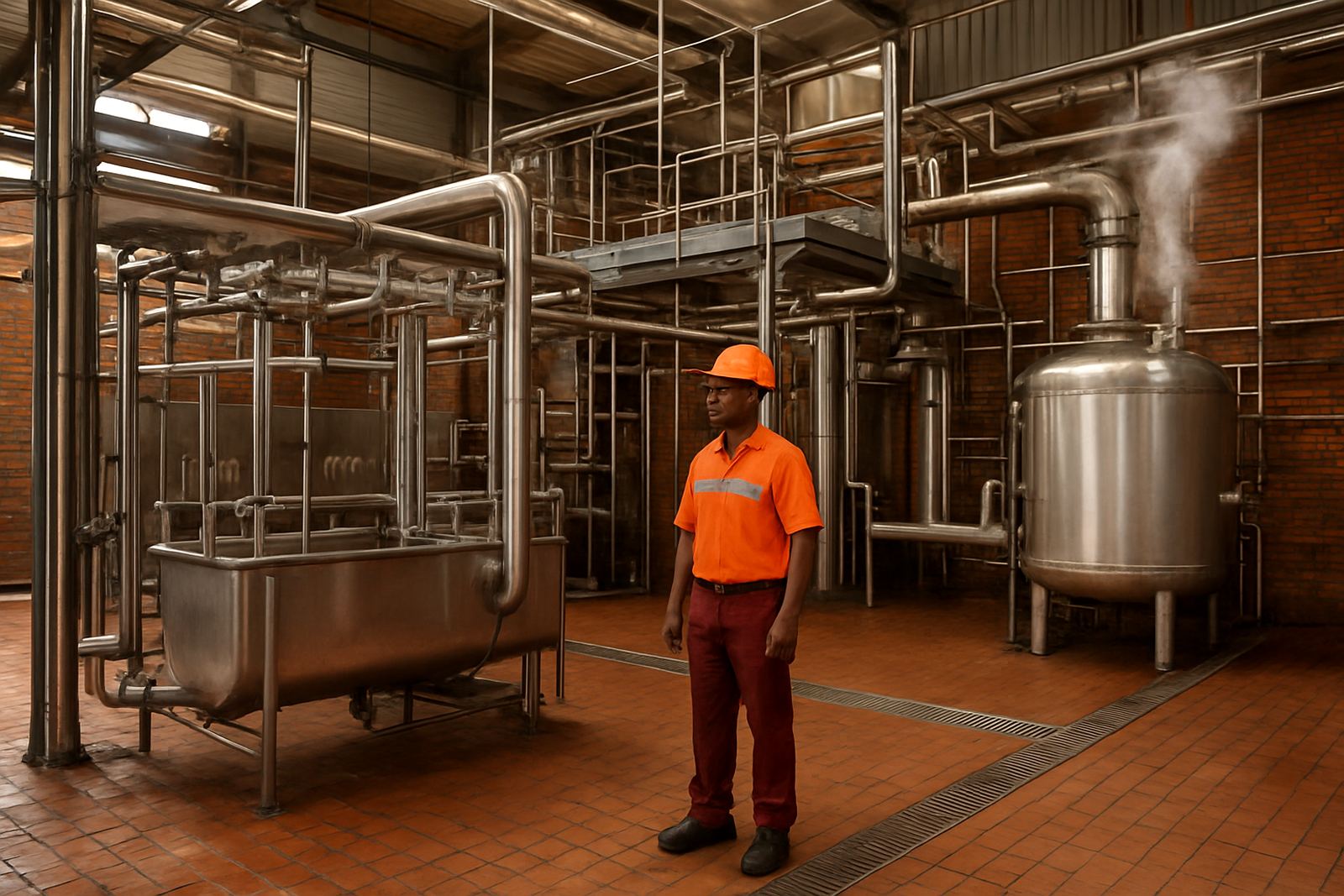
In a meat plant, hot water is not a comfort item, it is part of the production line. You need it for knife and equipment washdown, crate cleaning, floor sanitation, hand wash stations, carcass handling areas and sometimes for rendering or waste transfer support. If the heat drops, the team slows down and cleaning cycles take longer, which can push overtime and create hygiene pressure.
Most abattoirs in Gauteng run with early starts, tight turnarounds and water demand that spikes hard after slaughter. Some sites also face load-shedding, which means any hot water plant must recover quickly once power returns. In humid coastal conditions the same equipment may need extra corrosion control, but even inland dust and steam can wear out pumps, valves and controls faster than expected.
Ai-TEC works on commercial and industrial heating plants for facilities that need dependable output, not just a one-off fix. The right setup depends on live animal throughput, washdown points, water quality and the distance between the plant room and the farthest tap or spray line.
Typical equipment set for a meat facility
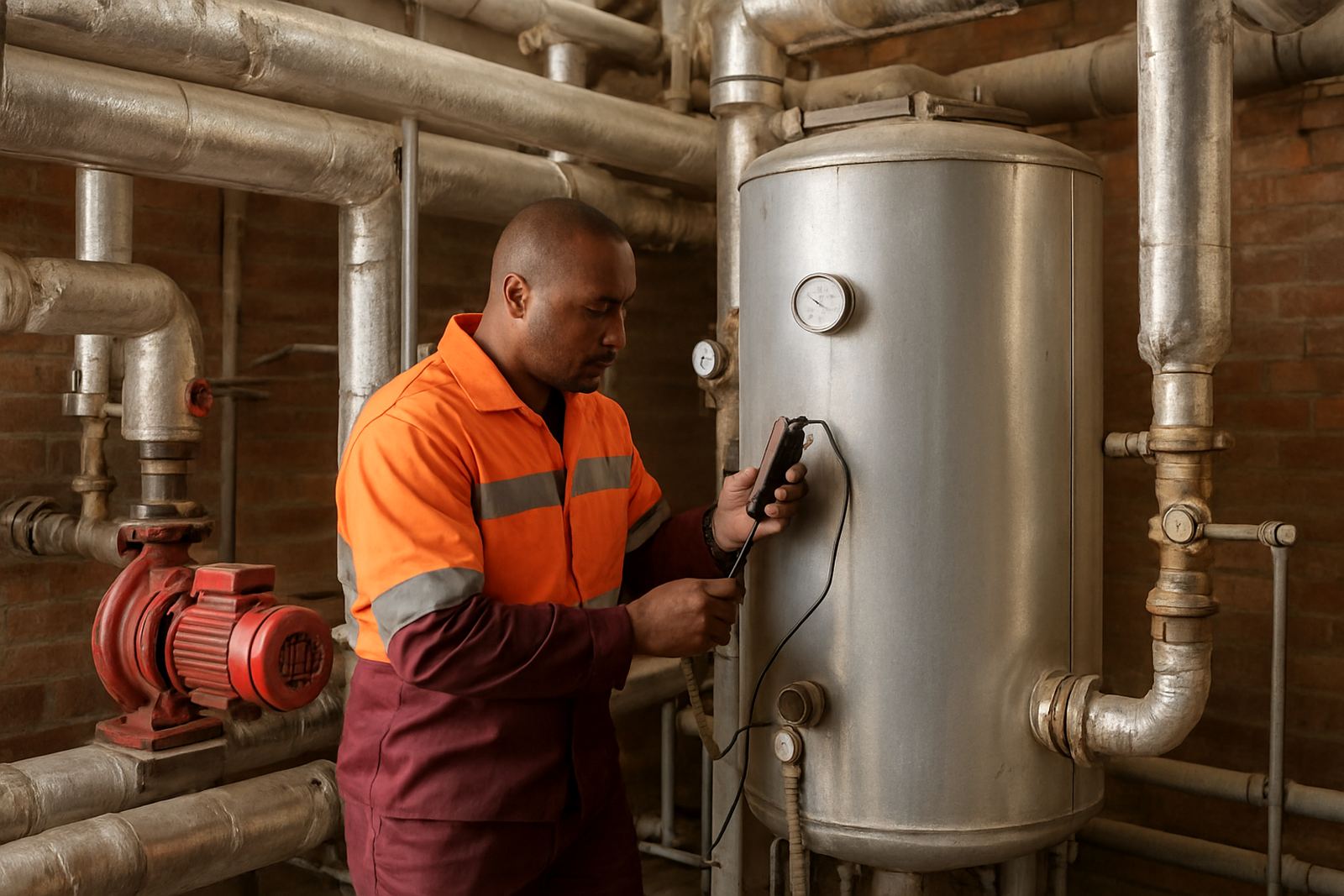
An abattoir heating plant usually combines a boiler or high recovery water heater with storage, circulation and control gear. On some sites we install one central plant room, on others we split the load so cleaning teams still have hot water if one section is isolated for maintenance. The aim is simple: enough temperature, enough flow and enough redundancy to keep sanitation on schedule.
- Commercial boiler or calorifier for process and washdown water
- Inline heaters for localised points or lower-volume support areas
- Pumps, expansion vessels and pressure control equipment
- Mixing valves to prevent scalding at hand wash and hose stations
- Water treatment support to limit scale, corrosion and heater fouling
- Combustion tuning and annual inspections for fuel efficiency and compliance
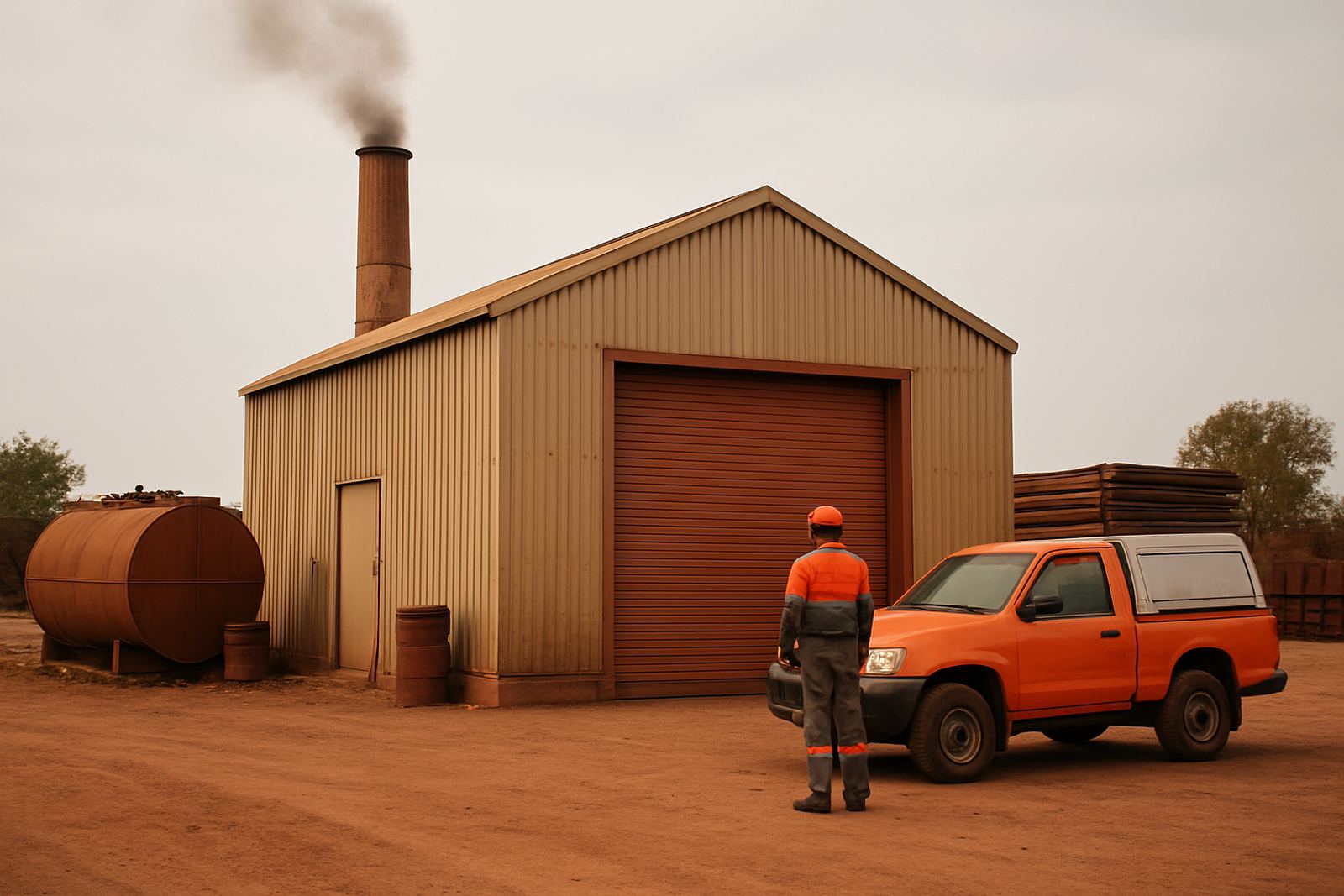
Where waste handling equipment needs heat, we look at the application carefully. Incinerators, for example, need the right feed conditions, lining condition and fuel setup. If the refractory is damaged or the burner is out of tune, fuel use climbs quickly and downtime follows. Musa Khumalo and the service team handle those checks with the same practical approach we use on boiler rooms and calorifier banks.
Layout and planning that save time at shift change
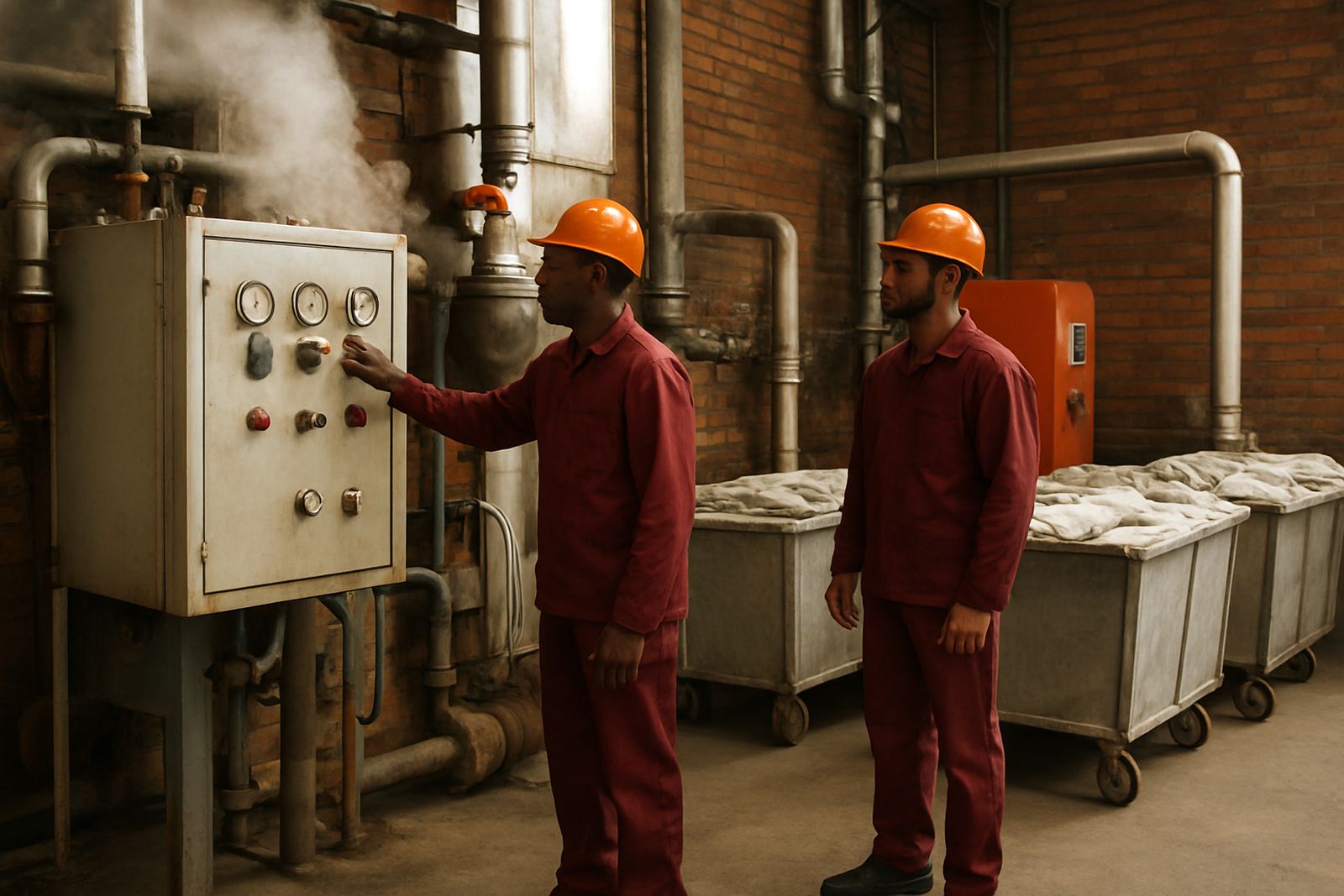
The best abattoir plant rooms are placed where operators can reach them fast, but away from washdown spray and chemical splash. We normally advise clear access to doors, strainers, valves and burner faces, plus enough floor space to lift out pumps or heating elements without stopping the whole line. In a busy plant, a cramped room becomes a maintenance problem very quickly.
Pipe runs also matter. Long pipe runs lose heat and waste water, so the plant should be laid out with short, insulated routes to the main points of use. If the hot water demand is split between slaughter, cleaning and admin areas, it may be better to zone the system instead of trying to force one line to do everything.
We often suggest these planning checks before installation or refurbishment:
- Confirm peak hot water demand by shift, not only by daily average
- Measure pressure at the furthest point when multiple hoses are open
- Check drainage and bunding in the plant room for washdown spills
- Allow safe access for tanker delivery, service vehicles and spare parts
- Plan for a standby option if the site cannot stop during repairs
Common mistakes that cost money in abattoir heating
One common mistake is undersizing the hot water plant because the original estimate only covered one room or one hose point. Another is using poor quality water without proper treatment, which leads to scale inside the heater and long recovery times. We still see systems where the controls are set too high, so the site pays for extra fuel and still gets uneven temperatures at the tap.
Another issue is skipping annual servicing because the plant is still running. A boiler can appear fine right up to the point where a burner fault or blocked heat transfer surface cuts output in half. In meat plants that is not a small inconvenience, it can hold up washdown and delay the next production cycle. Pieter van der Merwe and the projects side often get called in after this point, when the repair is no longer a simple service but a full plant recovery.
We also find that some facilities keep replacing individual parts without checking the overall system. A new pump will not fix a fouled calorifier. A new burner will not solve poor return water temperatures. The full system needs to be balanced, tested and logged.
What a realistic budget looks like
Abattoir heating budgets vary a lot by throughput, fuel type and the amount of redundancy needed. As a broad guide, smaller plant upgrades and localised heater repairs may start from around R45 000 to R120 000. Mid-sized hot water system packages for washdown and process support often sit in the R180 000 to R650 000 range. Larger plant rooms, boiler replacements, heat recovery changes and waste-handling heating can run from R750 000 upwards, especially where pipework and controls must be rebuilt.
Annual maintenance is worth budgeting separately. Service visits, combustion tuning, safety checks, water treatment support and refractory relining can save a great deal compared with emergency breakdowns. Zanele Dlamini coordinates service bookings so sites in Boksburg, Kempton Park, Germiston, Pretoria, Midrand and Sandton can be slotted into planned maintenance windows where possible.
If your plant is running on older equipment, a phased refurbishment is often better than a full shutdown. It lets you keep production moving while the high-risk items are replaced in stages.
How Ai-TEC supports abattoir sites
Ai-TEC has worked with commercial and industrial heating systems since 2009, with a base in Jet Park, Boksburg and service teams available nationally. We supply, manufacture and maintain boilers, calorifiers, inline heaters and incinerators for facilities that need practical heat output and fast response. For abattoirs, that means looking at the whole site, not only the heater itself.
Ayesha Patel handles commercial coordination and quoting, while Lerato Maseko manages operations so the right team arrives with the right parts. Our technicians can assist with emergency callouts, annual inspections, combustion tuning, refractory relining, water treatment support and plant refurbishment. If a site needs a one-off repair or a staged upgrade, we can work around production windows and hygiene shutdowns.
For meat facilities, the aim is to keep the washdown system hot, the process water steady and the waste handling plant dependable. That is what keeps the line moving and the cleaning team on time.