Start with the heat you already pay for
The first step is not choosing equipment, it is finding where useful heat is leaving the plant. On many Gauteng sites the best gains come from flue gas, hot condensate, boiler blowdown, warm process water, or exhaust air from wash bays and plant rooms. If the source runs most days and the temperature is stable, it is worth a proper look.
Do a quick walk-through during normal production and again when the plant is under full load. A line that looks small on paper can carry a large amount of waste heat if it runs for long hours. For example, a boiler room with steady operation through winter often gives better recovery value than a batch process that only runs a few hours a week.
- List every hot stream above 40 °C
- Note when it runs and for how many hours
- Check if the heat is clean, wet, oily, or corrosive
- Record any current losses from vents, drains, stacks, or open tanks
Match the recovery duty to the plant load
Heat recovery only pays when the recovered energy has a home. The most practical uses are preheating boiler feedwater, heating domestic hot water, warming make-up water, or assisting a process that already needs reliable hot water. If the recovered heat must be stored for long periods, the economics and maintenance get harder.
Look at the daily profile, not just the peak. A calorifier or buffer tank can help if hot water demand is steady through the day. Where load-shedding affects pumps, controls or circulation, choose a layout that can restart cleanly and not leave stagnant water sitting in a coil. On coastal sites humidity and salt can also shorten component life, so access for inspection matters as much as the heat duty.
- Check the minimum and maximum demand in litres per hour or kW
- Confirm whether the recovery source and sink overlap in time
- Size for real operating hours, not nameplate production
- Allow for winter water temperatures in Pretoria, Johannesburg and the highveld
Check the source quality before you commit
Not every waste heat stream is suitable for recovery. Dirty exhaust, scaled water, oily condensate and corrosive flue gas can all damage exchangers if the materials and maintenance plan are wrong. That is why the source needs a closer look before any drawing is signed off.
Measure temperature, flow, pressure and chemistry where possible. If the site already struggles with scale, poor water treatment, or failed pump seals, those issues need to be corrected first. Heat recovery equipment will not fix an unstable plant. It will only expose the weak points faster, which is useful if you want the right answer and not a quick patch.
- Test water quality and hardness
- Inspect condensate lines for flashing, leaks and contamination
- Check flue gas for dust, soot and acid risk
- Confirm that drains and blowdown lines can handle the change in temperature
Choose equipment that can be cleaned and serviced
A practical recovery system must be easy to isolate, clean and inspect. In a commercial or industrial plant, downtime for maintenance should be short and planned. If the exchanger is hidden behind pipework, or the access platform is awkward, the best savings on paper can turn into a nuisance in month three.
For South African sites, service access is often the deciding factor. Many plants have narrow boiler rooms, low roof space, or equipment squeezed in during later expansions. Before you buy, check lifting routes, drain points, valve positions and whether a technician can remove plates, bundles or sensors without dismantling half the plant. That saves time during annual inspections and emergency callouts.
- Allow clear access to inspection doors and cleaning points
- Fit isolation valves on both sides of the recovery unit
- Provide drain and vent points for safe shutdown
- Keep instrument fittings simple and visible
Run the numbers against fuel use and payback
The financial case should be based on actual fuel displaced, not the total heat the unit can transfer on a brochure. Work from measured temperatures and flow rates, then compare the recovered kilowatt hours with current fuel cost, boiler efficiency and maintenance spend. If the site burns gas, diesel or another liquid fuel, even a modest gain can become meaningful over a year.
Also include hidden costs: pumps, controls, water treatment, extra pipe work, and service time. A recovery project that saves money but creates constant callouts is not a good deal. On the other hand, a well set-up system can cut boiler runtime, reduce thermal stress and give steadier plant performance, which often matters just as much as the Rand saving.
- Estimate annual recovered energy in kWh
- Convert that into fuel cost saved per month and per year
- Add installation, controls, and maintenance cost
- Compare payback with the site’s planned operating life
Build a site checklist before you order anything
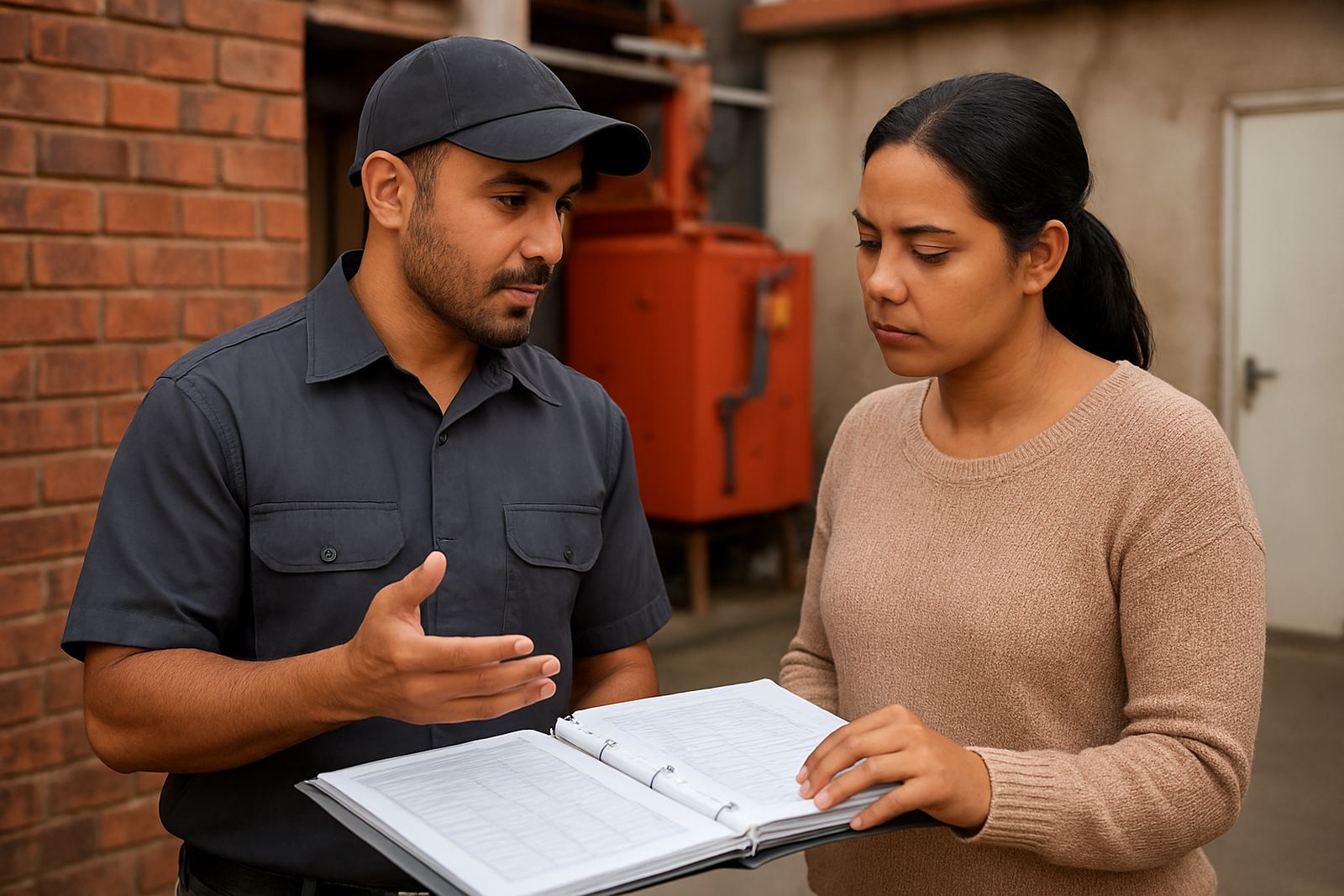
Before final selection, walk the plant with operations, maintenance and production together. This avoids surprises later, especially where municipal water limits, discharge conditions, or plant safety rules apply. A good checklist also helps when the work must be phased around production and after-hours access.
We usually recommend a simple review of the existing boiler house, pipe routes, electrical supply, controls space, and maintenance access. If the site has multiple buildings or branches in Gauteng, confirm which plant will benefit first and which team will look after it. That way the project stays practical and the recovery duty is matched to the people who must keep it running.
- Is there enough space for pipes, support steel and isolation valves?
- Can the unit be serviced without stopping the full plant?
- Will the recovered heat be used every day, or only in peak season?
- Is the plant ready for annual inspection, water treatment support and combustion tuning after the change?