1. Start with the real reason the plant needs work
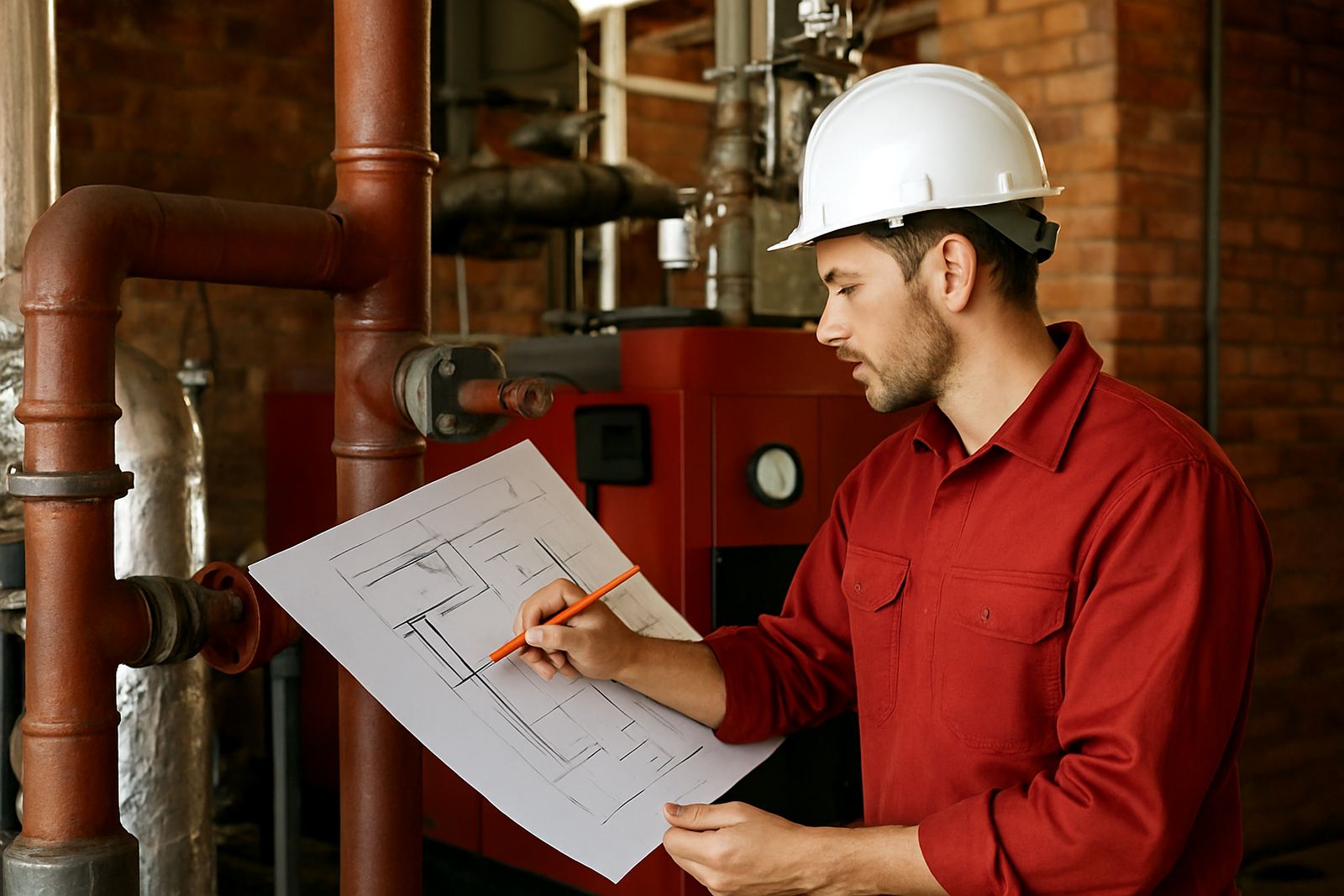
Most budget overruns start with a vague brief. If the issue is high diesel or electricity use, poor hot water recovery, repeated breakdowns, or a unit that is simply too small for the current load, the scope changes. A boiler room in Boksburg serving a workshop will have a different cost profile from a hotel laundry in Sandton or a factory in Midrand running long shifts.
The first step is to separate symptoms from causes. A noisy burner may need combustion tuning, but it may also point to air leaks, blocked strainers, worn refractory or poor water treatment. If the shell, tubes or pressure parts are near end of life, patching parts for another year can cost more than planned replacement.
- Check age, service records and previous repairs
- Confirm current steam, hot water or thermal load
- Note nuisance trips, pressure swings and fuel use
- List production hours, shutdown windows and backup options
2. What usually drives the cost in a boiler room upgrade
Equipment price is only one part of the bill. Labour, lifting, fabrication, controls, pipework and commissioning often decide whether a project stays inside budget. In Gauteng, access into tight plant rooms, crane time, and after-hours work can add real cost. Near the coast, extra attention to corrosion protection and insulation is worth budgeting for from the start.
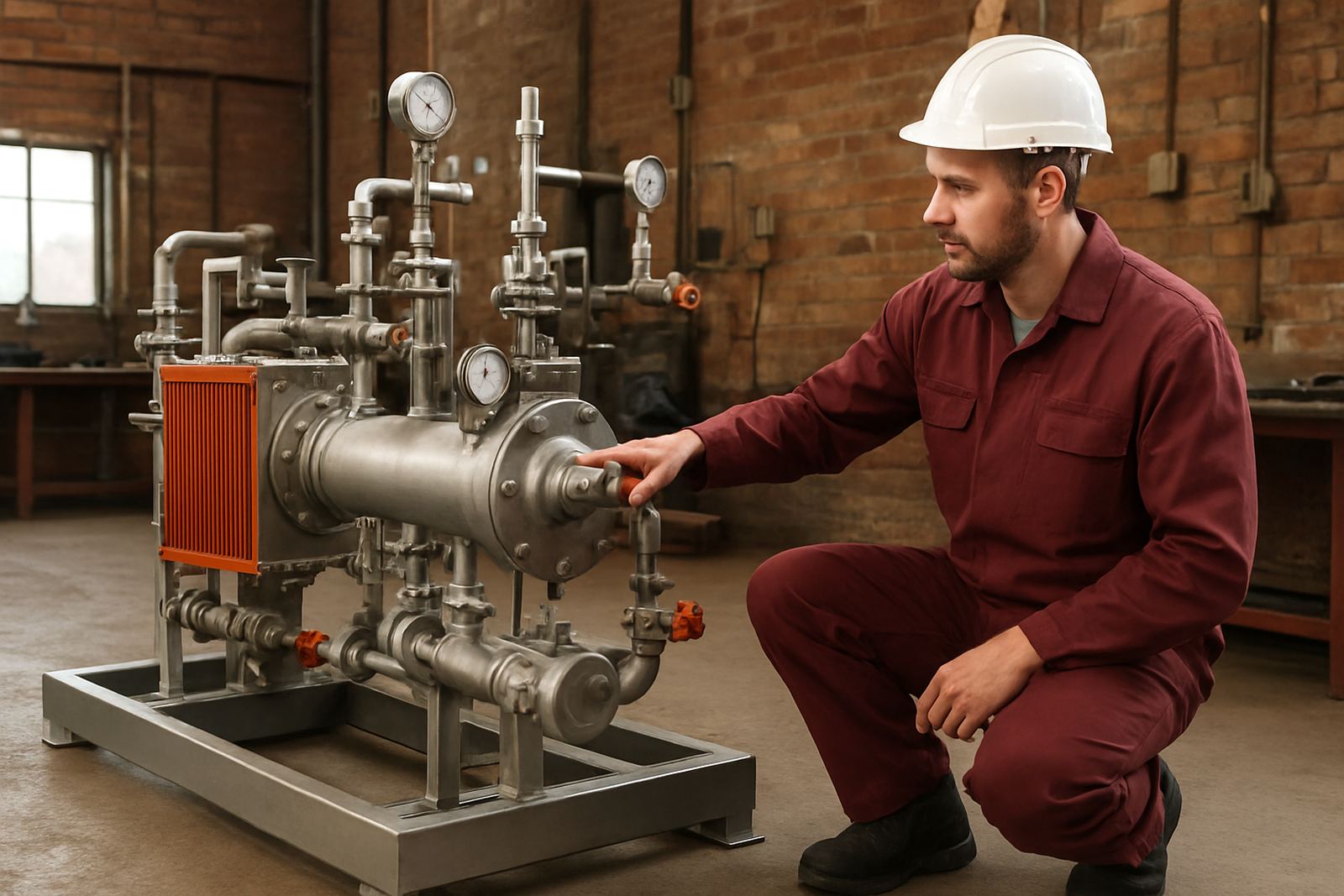
The main cost drivers are capacity, condition, compliance, and how much of the system must change around the new equipment. If the boiler or calorifier footprint changes, then flues, drains, pumps, electrical feeds, safety valves and support steel may also need rework. For an incinerator, refractory lining, stack height, emissions controls and local municipal requirements can all affect the final number.
- Existing equipment condition and remaining life
- Heat output, pressure rating and duty cycle
- Controls, automation and metering requirements
- Pipework modifications and valve replacements
- Flue, chimney and ventilation changes
- Site access, cranage and rigging constraints
3. Retrofit, repair or full replacement
A retrofit makes sense when the vessel and pressure parts are still sound, but efficiency or control is poor. This may include burner upgrades, new controls, improved water treatment, extra insulation or a better feed system. Repairs are usually the cheapest option in the short term, but they only work if the rest of the plant can carry on safely and reliably.
Full replacement is the safer route when corrosion, cracking, tube wear, repeated pressure issues or non-compliant components are found. The hidden cost of keeping an old unit going is the downtime that lands at the worst possible time, often during cold weather or a peak production run. A planned changeover can be easier to budget for than a string of emergency callouts.
As a rule, compare three figures before you decide: the cost to keep the unit running for 12 months, the cost of a targeted retrofit, and the cost of a complete replacement including shutdown time. That comparison usually shows where the real value sits.
4. A practical planning checklist before you ask for pricing
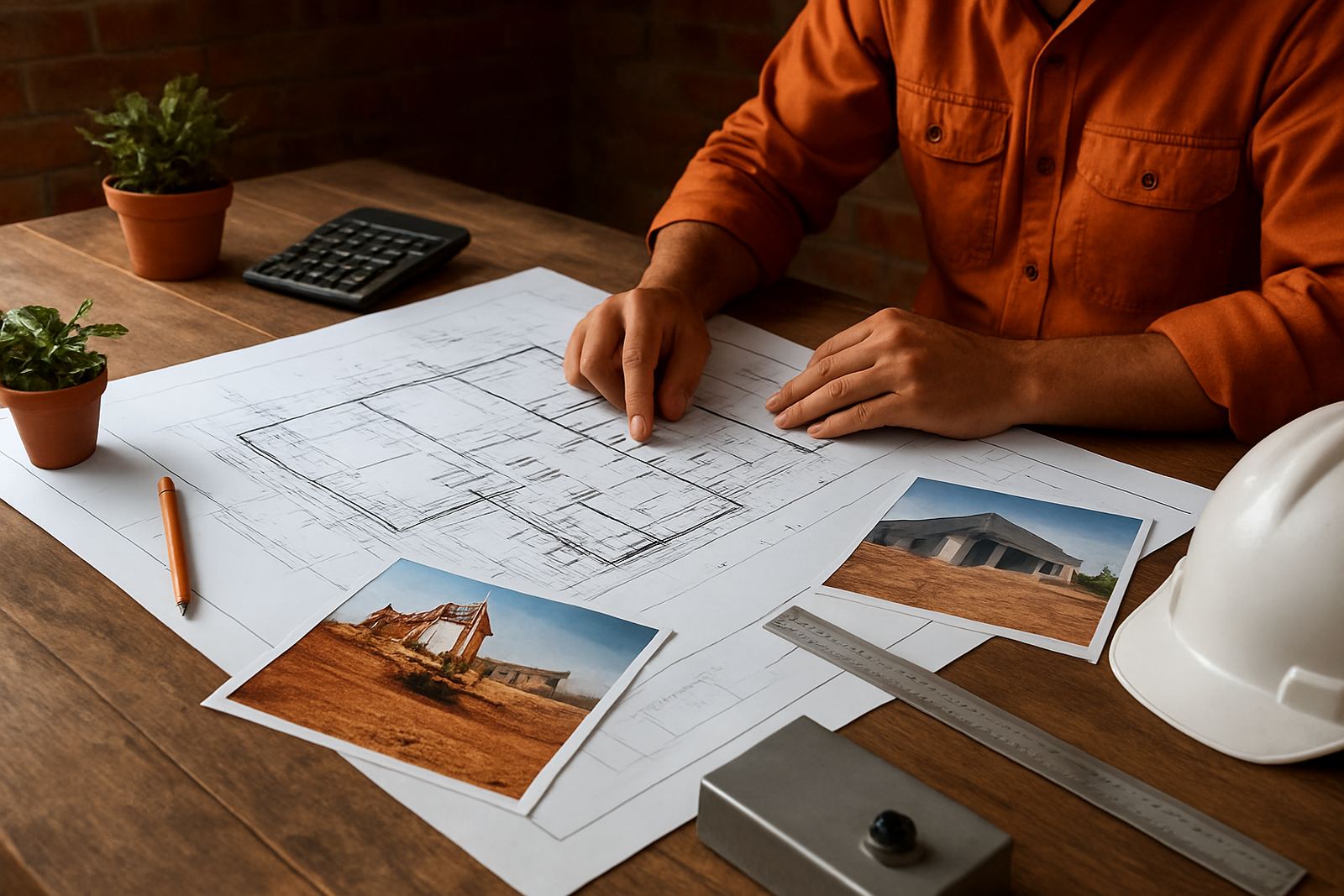
The cleaner the information, the tighter the budget. A proper site walk-through should cover plant condition, access, utilities and the work sequence. If you can share actual load data and old service reports, the quote is more useful and there are fewer surprises once work starts.
- Measure the plant room and all access routes
- Confirm electrical supply and panel condition
- Check water quality history and chemical dosing setup
- Record fuel type, storage and delivery access
- Note any asbestos, corroded supports or damaged lagging
- List required shutdown dates and production constraints
- Confirm pressure vessel inspections and statutory checks
It also helps to decide early whether the upgrade must happen in one shutdown or in stages. Staged work may cost a bit more in labour, but it can keep a plant running while the critical items are changed over one by one.
5. How to keep the project within budget during installation
Budget control is mostly about decisions made before the first pipe is cut. Once the job is open, changes become expensive. If the scope includes plant refurbishment, agree the finish level, pipe routing, controls package and testing standard before the crew starts. Small choices such as new valves, sight glass replacement, insulation repair and support steel can add up quickly.
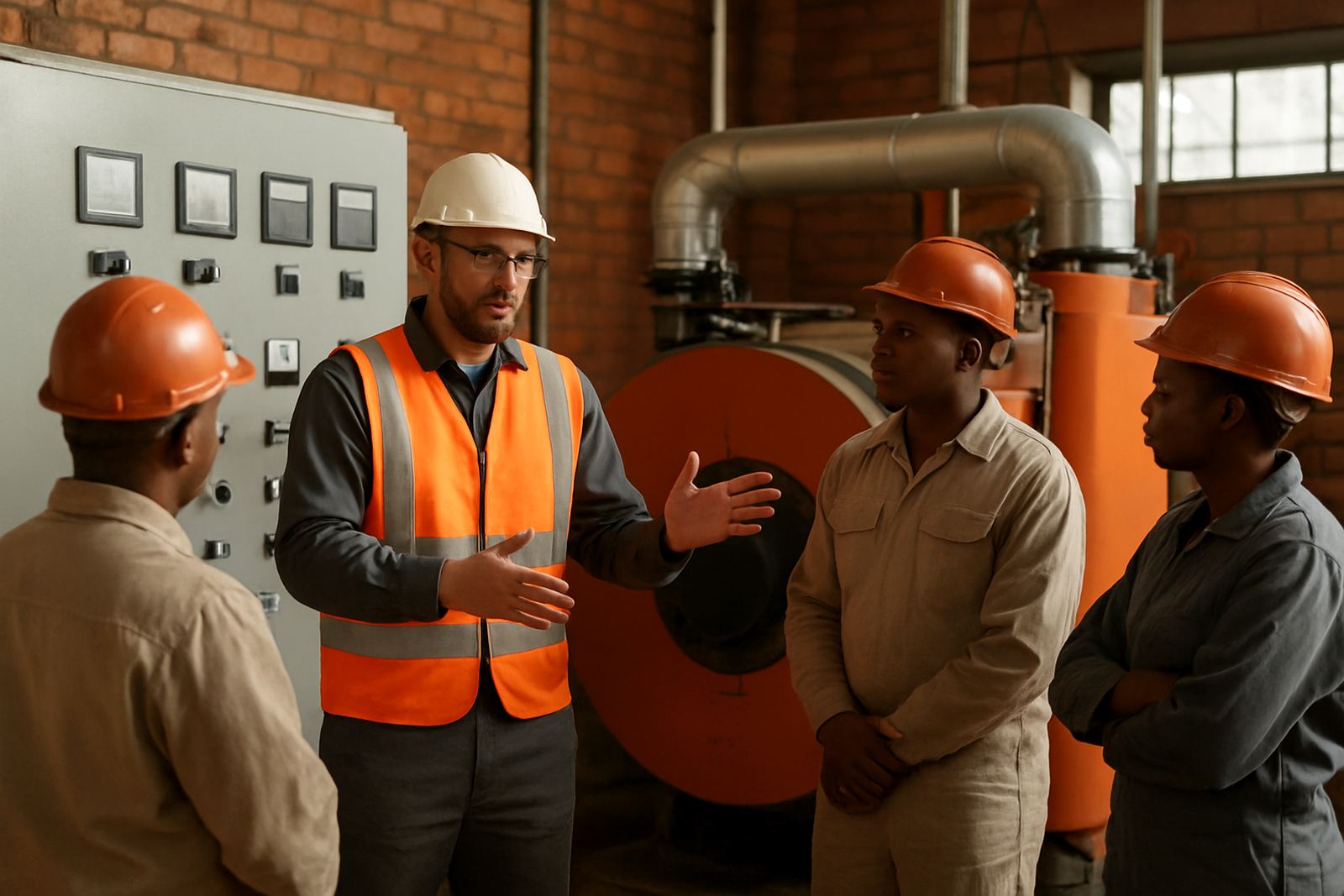
On live sites, emergency access plans matter too. If a plant serves a hospital, school, food area or production line, make sure temporary hot water or steam arrangements are clear. In summer, some sites use the opportunity to complete refractory relining or annual inspections, then bring the plant back before peak demand returns. That saves time and avoids a second shutdown.
- Freeze the scope and sign off changes in writing
- Keep a contingency for hidden corrosion or failed fittings
- Plan lifting, shutdown and re-commissioning dates early
- Check that spares and special parts are on site before day one
6. The checks that protect your spend after handover
The cheapest upgrade is one that lasts. After commissioning, the plant should be monitored for fuel use, pressure stability, water chemistry and stack performance. If combustion tuning was done properly, you should see cleaner burn, steadier output and fewer nuisance trips. Water treatment support matters just as much, because scale and oxygen corrosion will eat into any savings very quickly.
Set a maintenance calendar for boiler servicing, calorifier maintenance, inline heater repairs and incinerator servicing. Add annual inspections, refractory checks and planned shutdown work into the budget instead of waiting for failures. A few hours of servicing can save days of lost production later. In Gauteng, where many plants run hard through winter, that planning makes a visible difference to running costs and callout frequency.
When you know the condition of the plant, the upgrade path gets much clearer. The goal is not the lowest quote on paper, it is the best value over the next few years, with fewer breakdowns and less wasted fuel.