What a general waste incinerator does on site
A general waste incinerator is a thermal treatment unit used to reduce mixed non-hazardous waste to ash in a controlled chamber. It is suited to sites that need regular waste reduction but do not want bins piling up, especially where collection is irregular, access is tight, or odour and pest control are a concern. Typical feeds include paper, packaging, contaminated disposable waste, light wood, offcuts and other dry general waste, depending on the permit and the design.
For Gauteng sites, on-site treatment can be useful where skip removal is expensive, where municipal collection is inconsistent, or where waste storage space is limited. The right unit must be matched to the waste stream, because wet waste, metal, rubble and hazardous material should not go in unless the unit is specifically designed and approved for that purpose. A good installation also needs proper ash handling, loading access and safe operator movement around the plant.
Sizes, loading styles and burn chamber options
General waste incinerators are supplied in a range of sizes, from compact batch units for lower daily volumes to larger plant rooms that can handle repeated loads through the day. Selection is usually based on the waste volume per shift, the moisture content of the waste, the number of burns needed per day and the space available for loading and ash removal.
- Small batch units for clinics, lodges, farms and light commercial use
- Medium units for factories, depots and institutions with steady waste streams
- Larger continuous or semi-continuous systems for heavy use sites
- Top-loading, front-loading or trolley-fed arrangements depending on handling needs
- Single chamber or primary plus secondary chamber designs for cleaner burnout
Common specifications include steel shell construction, refractory lining, insulated doors, high temperature burners, flue connection points and manual or automatic controls. In practice, the chamber size needs to suit the waste density as much as the total volume. Loose cardboard takes up far more space than compacted packaging, while damp waste will always reduce throughput and increase fuel use.
Where these incinerators suit best
These units are used at manufacturing plants, food processing facilities, agricultural operations, warehouses, hospitals, laboratories, schools, lodges, mines and municipal sites. They are also useful where a site sits far from regular disposal routes or where local by-laws require better control of waste storage, smoke and odour. In coastal areas, the enclosure and steelwork need extra attention because salt air can shorten service life if the plant is not maintained properly.
For inland sites, the main concern is usually steady operation under load-shedding and power fluctuation. Where the plant depends on burners, controls or fans, the installation should be planned with proper electrical protection and backup arrangements. Sites in Pretoria, Midrand, Sandton, Kempton Park and Germiston often need compact footprints and tidy access routes, while industrial yards in Boksburg and beyond may have more room for feed hoppers, ash bins and maintenance clearance.
- Good for controlled on-site waste reduction where skip storage is limited
- Useful where odour, flies and blow-away litter must be kept down
- Best on sites with trained operators and a clear waste sorting system
- Suitable where municipal removal is irregular or costly
Installation, power and fuel requirements
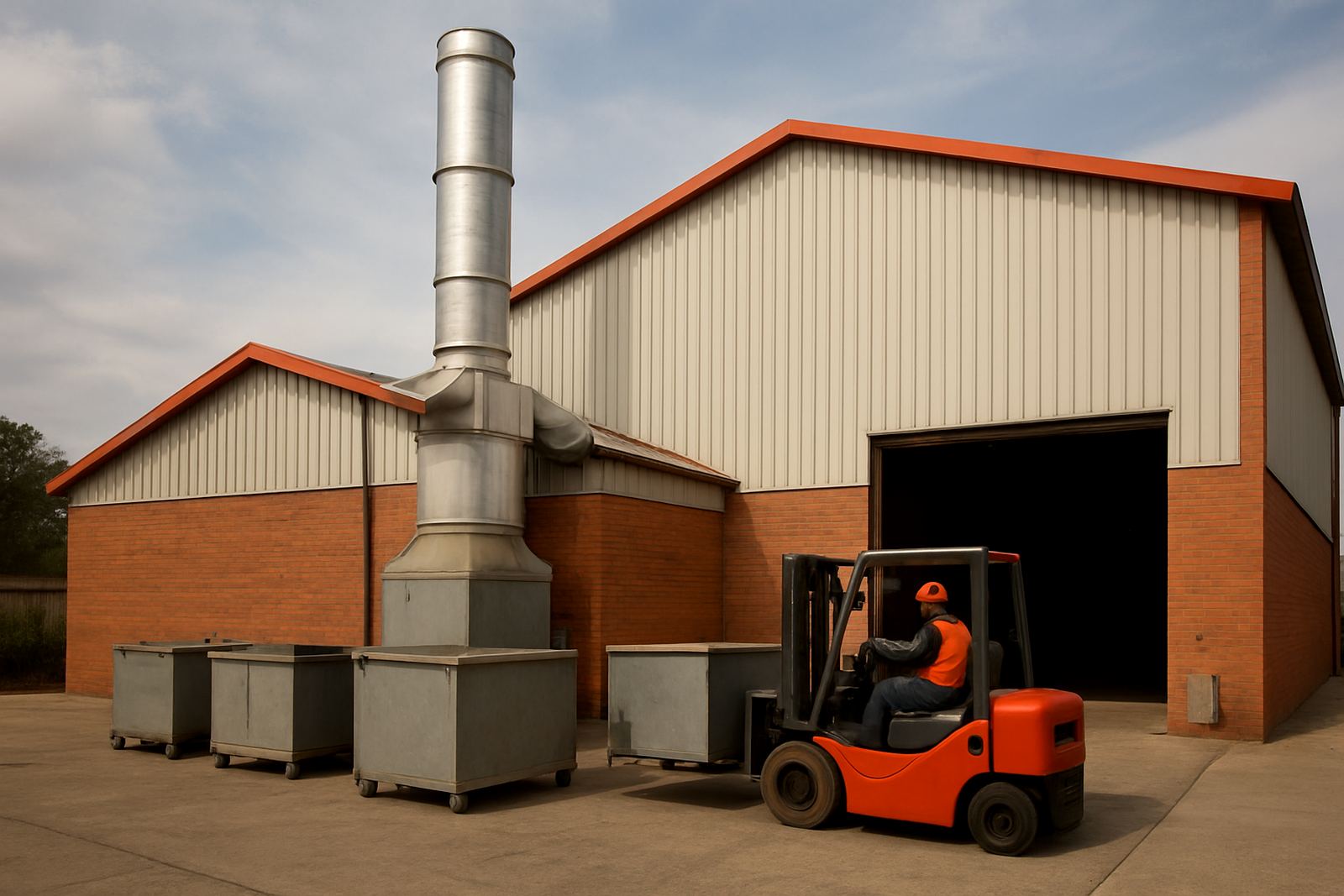
Installation starts with site assessment. The floor must carry the unit, the loading area must allow safe movement of waste containers, and the flue route must comply with local requirements. If the site is in a building or enclosed plant room, ventilation and fire separation must be checked before any fabrication work starts. A flue stack may need a certain discharge height depending on the municipality and the surrounding buildings.
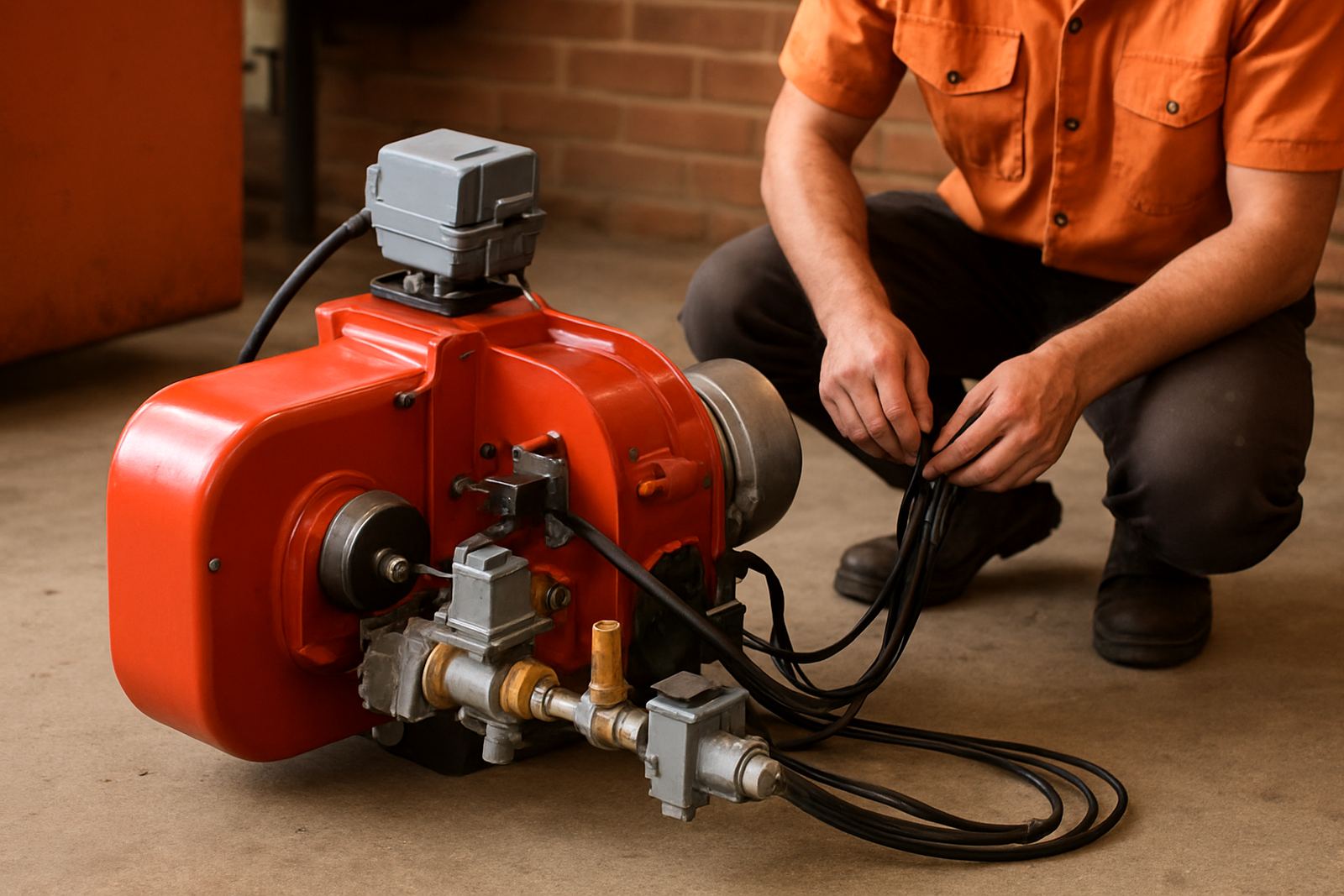
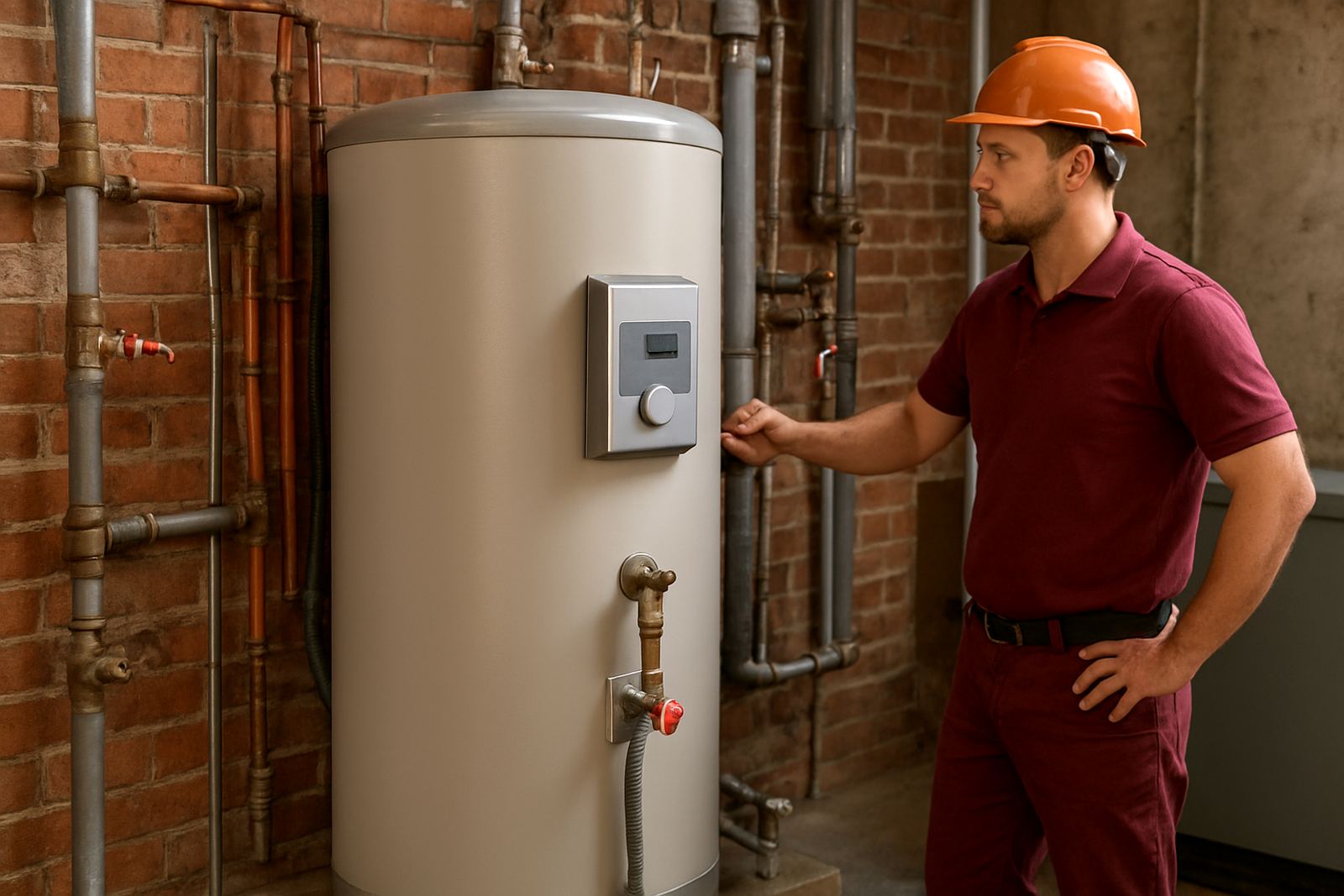
Most general waste incinerators use diesel, gas or another approved fuel for the burners, with some systems designed for dual fuel operation. Electrical needs normally cover controls, fans, starters, safety circuits and instrumentation. Where supply is weak or unstable, we look at voltage dips, control protection and whether the unit should be linked to backup power for safe shutdown. Gas line pressure, burner rating and fuel storage all need to be matched to the duty cycle, otherwise the plant will struggle once production picks up.
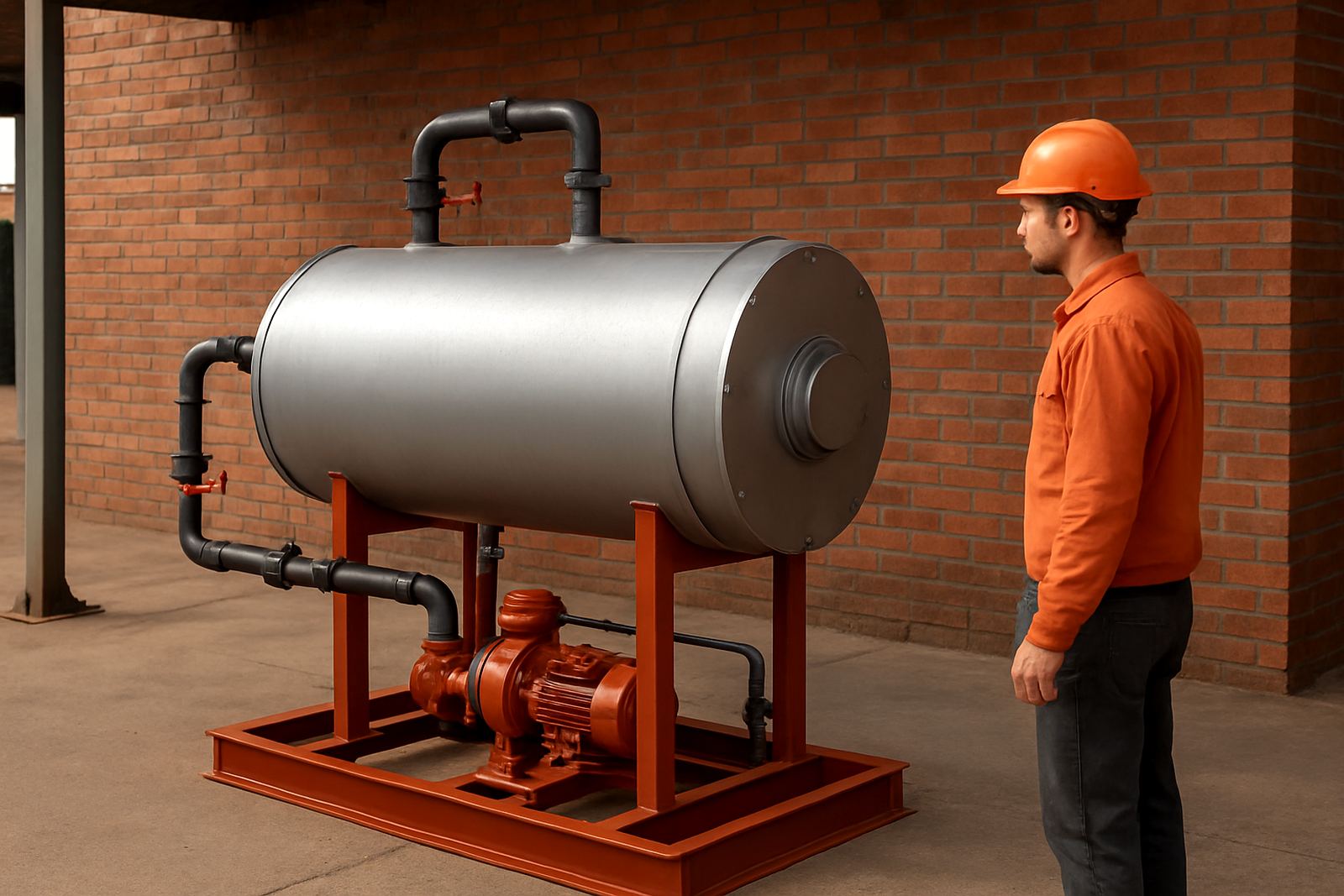
We also check access for delivery and cranage, because many installations go into tight yards or existing buildings. In some cases the job needs a small civil base, a raised plinth, drain management around the loading zone and a proper ash handling point. If the site works after hours, lighting and operator safety become just as important as the mechanical install.
Servicing, refractory care and emission control
Incinerators need regular servicing to keep burn quality consistent and to avoid breakdowns during peak use. The refractory lining is a key wear item because heat cycling, poor loading and incorrect firing can crack or spall the hot face. Burner nozzles, fuel filters, door seals, fans, safety switches and control instrumentation should be checked on a planned basis, not only when something fails.
Service intervals depend on run hours, waste type and operator discipline. Wet waste, plastics and overloaded chambers usually increase fouling and shorten service life. We also advise regular combustion tuning so the primary and secondary burn conditions stay stable, because poor tuning can push up fuel use and leave more residue in the chamber. Where needed, Ai-TEC can support refractory relining, annual inspections, combustion checks and emergency callouts from our Gauteng service teams.
- Inspect burners, flame safety and controls at set intervals
- Check refractory for cracks, hot spots and loose sections
- Remove ash and clinker before it builds up around the grate or hearth
- Keep feed waste sorted and dry where possible
What to check before you order
Before ordering, confirm the daily waste volume in kilograms or litres, the type of waste, the operating hours and the number of loads per day. It also helps to know if the waste is loose or bagged, whether there is any damp content, and whether the site needs a batch unit or repeated firing through the shift. If the waste stream changes seasonally, size the unit for the busy months, not only the quiet ones.
Ask about fuel supply, electrical load, stack route, ash disposal and operator training from the start. You should also check the available footprint, door clearance, access road width and whether the unit must fit into an existing building. For regulated sites, the permitting path and emissions expectations need to be discussed before manufacture. That avoids delays once fabrication is complete and the plant is ready to go.
Ai-TEC works with site managers, engineers and maintenance teams to match the incinerator to the actual duty, rather than guessing from brochure figures. We supply, manufacture and maintain equipment from Jet Park, Boksburg, with branches and service coverage in Boksburg, Kempton Park, Germiston, Pretoria, Midrand and Sandton, plus national support where needed.
Key facts
| Waste type | General non-hazardous waste, subject to site approval and operating conditions |
|---|---|
| Capacity range | Compact batch units to larger industrial systems, sized to daily waste volume |
| Burner fuel | Diesel, gas or dual fuel options depending on the application |
| Construction | Steel shell with refractory lined hot face and insulated access doors |
| Controls | Manual or automatic burner controls, safety interlocks and temperature monitoring |
| Typical use sectors | Factories, farms, hospitals, schools, lodges, depots and municipal sites |