What campus hot water systems must do every day
A campus system has to serve very different users at the same time. Student rooms need reliable showers in the early morning, kitchens need hot water for washing up and sanitation, and service blocks need steady supply for cleaning, laundry and plant areas. When one part of the system is undersized or badly balanced, the whole site feels it. Pressure drops, water gets lukewarm at busy times, and maintenance calls start piling up.
In Gauteng, many campuses also run on tight operating budgets, so plant has to be planned for long life, not just low first cost. A good hot water setup takes account of occupancy, distance between plantroom and the farthest outlet, peak draw-off times, and how the system will behave during power cuts. Coastal sites have humidity and corrosion issues, but inland campuses face scale build-up and hard-water wear, especially where municipal water quality changes over time.
Typical plant for residences, kitchens and service blocks
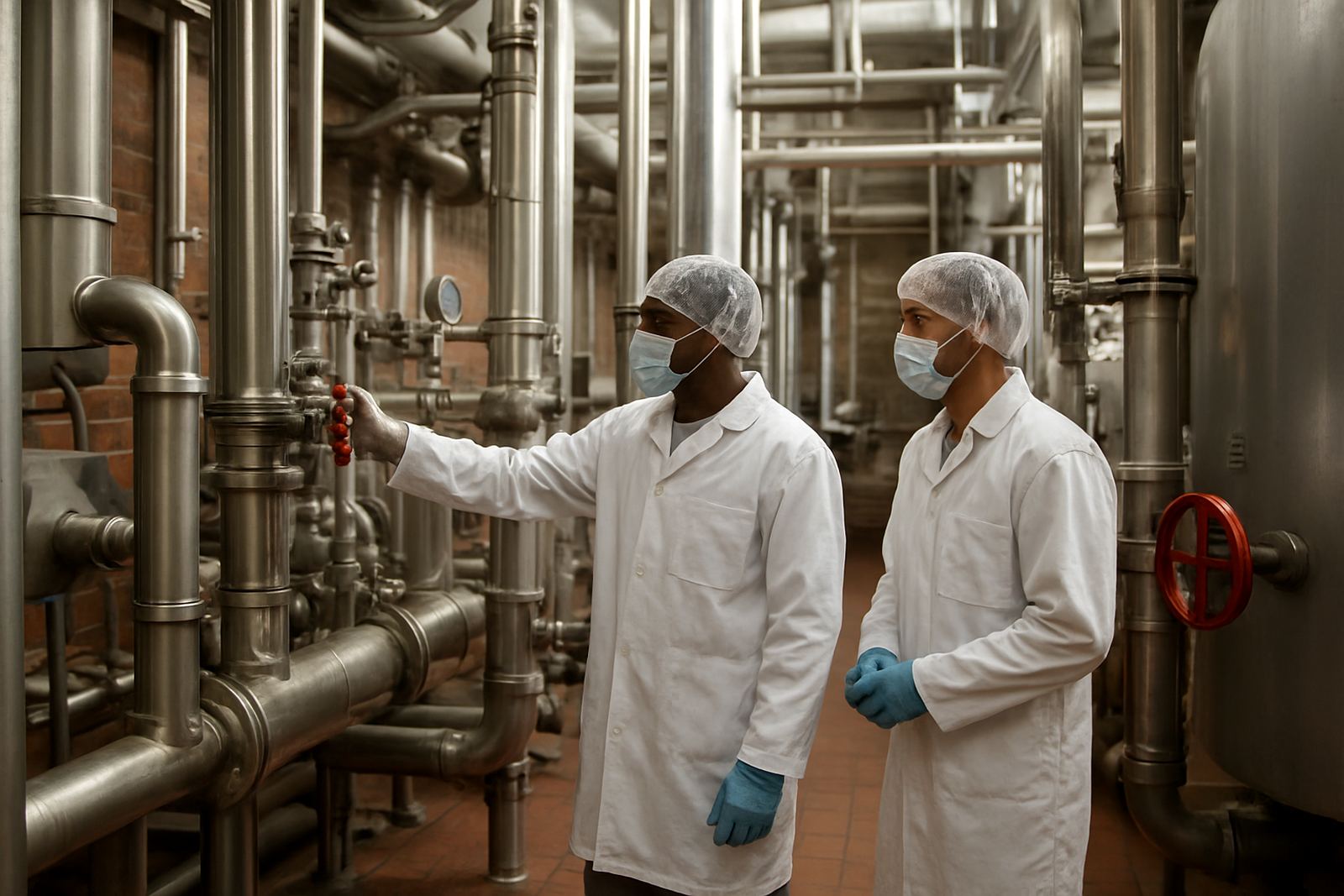
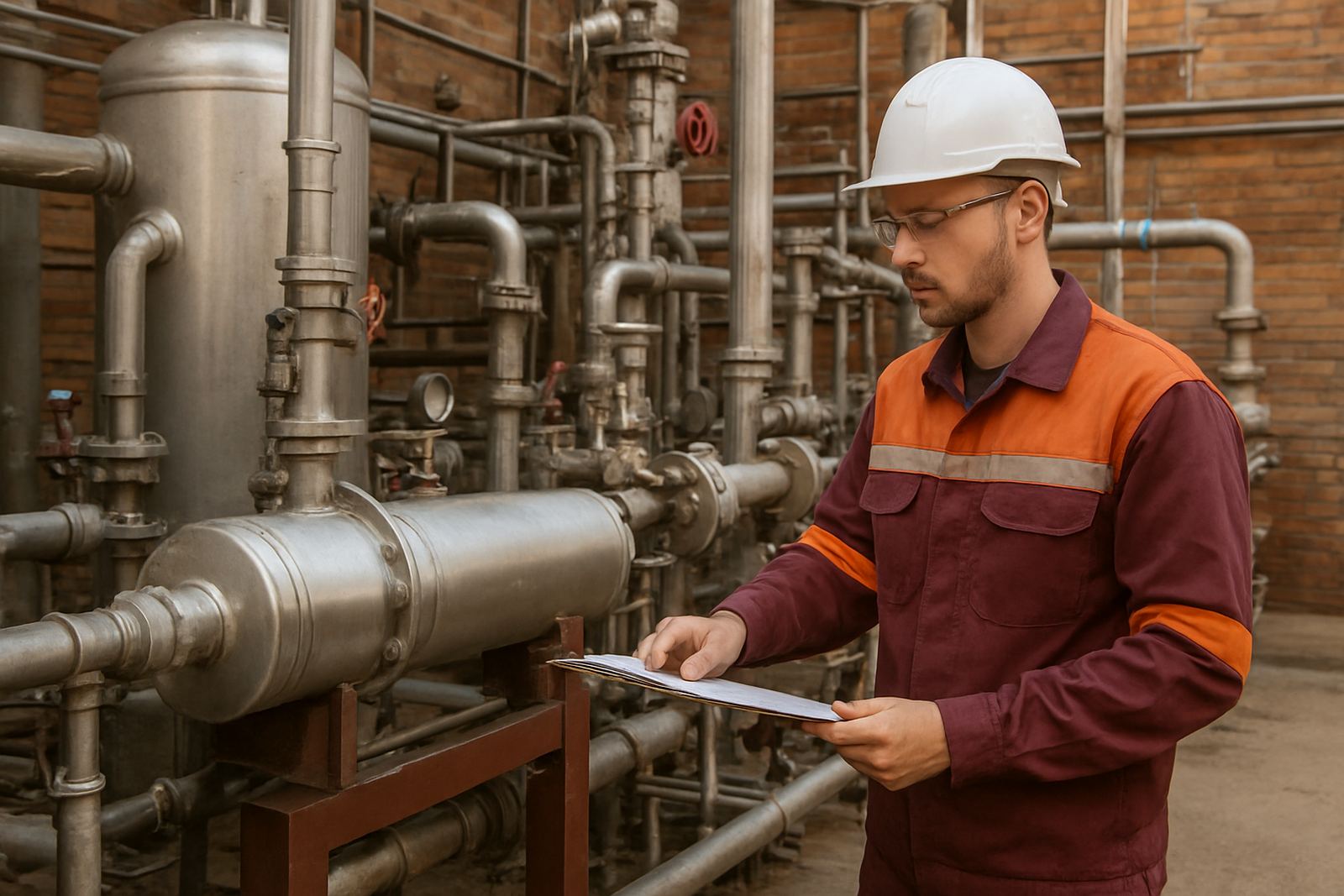
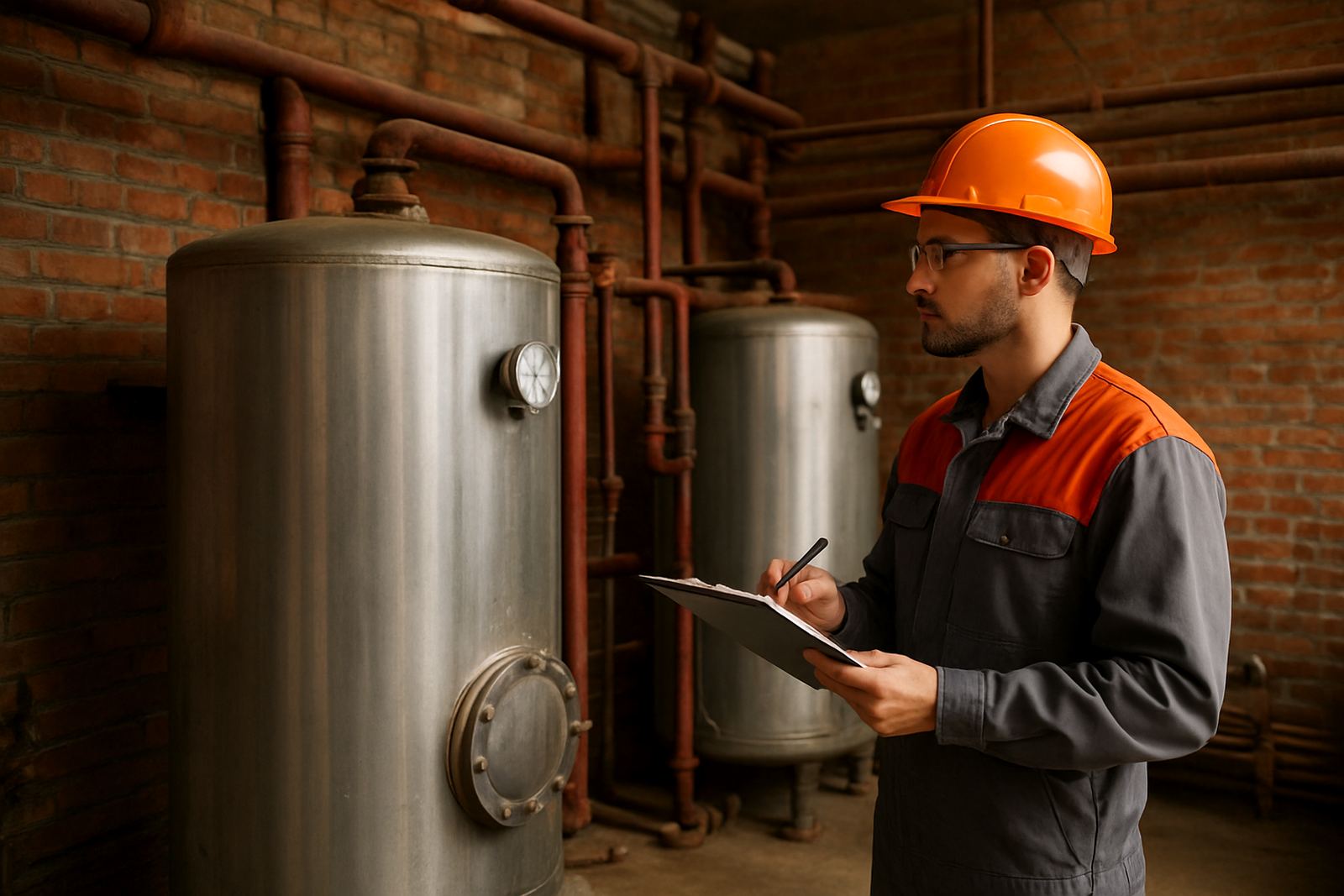
Most campus installations use a central boiler or calorifier arrangement, often with one or more inline heaters for specific zones or backup duty. Larger sites may need multiple boilers in duty and standby, circulation pumps, storage vessels, temperature control valves and properly sized distribution mains. Where food service is involved, the hot water plant must recover quickly after meal periods, not just heat water slowly through the day.
- Commercial or industrial boiler plant for bulk heating
- Calorifiers for stored hot water with fast recovery
- Inline heaters for point duty or remote blocks
- Circulation pumps and balancing valves
- Water treatment dosing or filtration support
- Temperature gauges, pressure relief valves and controls
For campuses with dining halls, laundry rooms or workshop areas, the system often needs separate temperature zones. That avoids wasting energy heating every litre to the same level when only one block needs high demand. It also helps with Legionella control planning, which is important where water sits in storage for long periods.
How to plan the layout before equipment is ordered
Good planning starts with a site walk and a proper list of fixtures, not a rough guess. Count showers, basins, kitchen sinks, laundry outlets and cleaning points. Then look at the distance from the plantroom to the furthest buildings, the pipe sizes already in place, and whether there is space for future expansion. A campus that adds one residence block every few years should not need a full redesign each time.
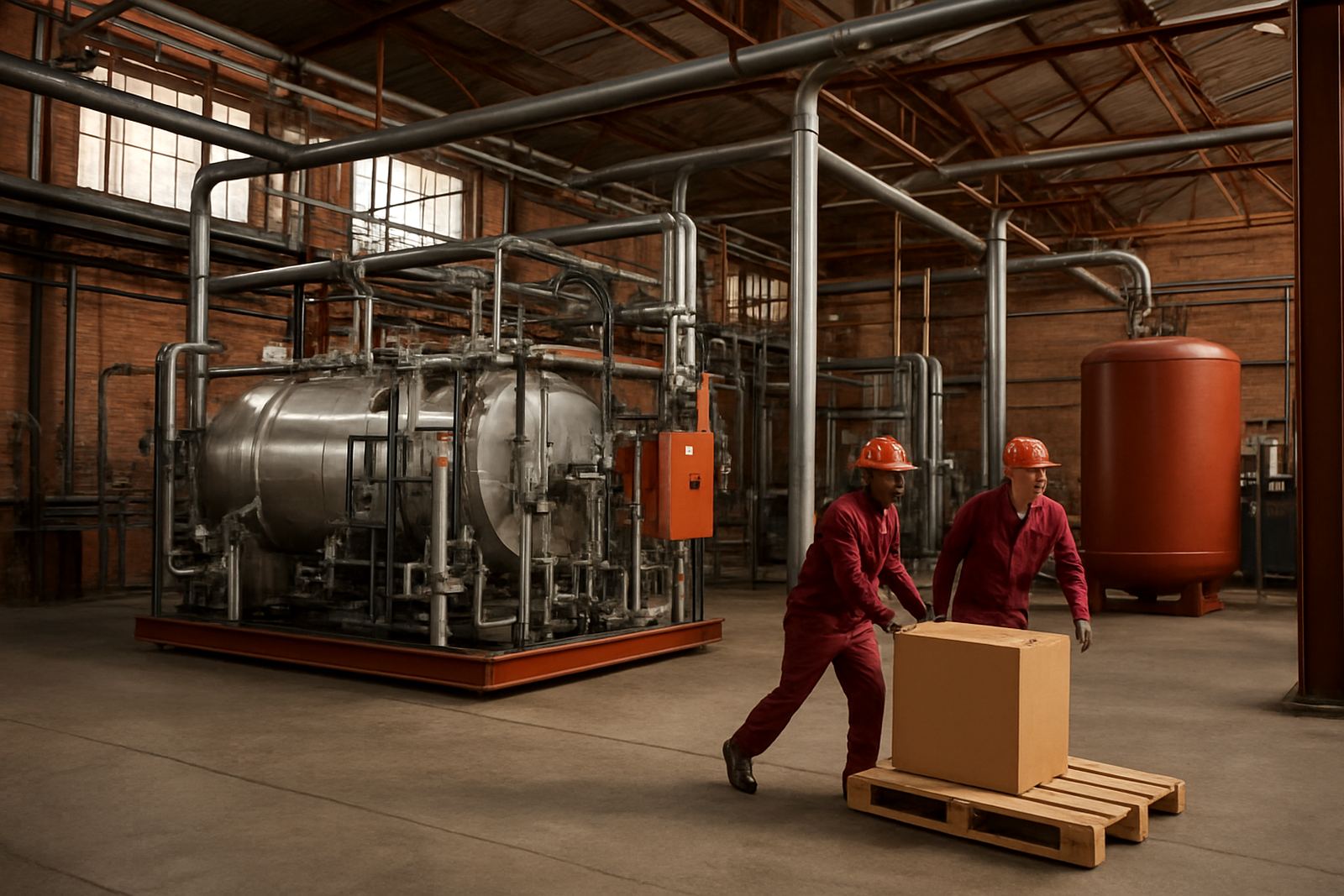
We also look at access. If a boiler or calorifier has to be replaced, can it be moved through the plantroom door and down the route to its final position? Is there enough working space for servce access, burner removal and tube cleaning? On some sites, a unit that looks fine on paper becomes a maintenance problem because it was squeezed into a room with no lifting room and poor ventilation. That usually costs more later.
- Allow space for maintenance on all sides of the plant
- Keep flue routes short and compliant with local by-laws
- Separate hot water plant from chemical stores and laundry steam where possible
- Plan for standby capacity during inspections or breakdowns
- Include isolation valves so one block can stay live while another is repaired
Common mistakes that drive up running costs
One of the biggest mistakes is buying plant that can meet average demand but not peak demand. Campuses do not use hot water evenly. Morning showers, lunch-time kitchen use and evening cleaning can all land together. If the boiler plant is too small, it runs flat out and still cannot recover fast enough. If it is too large, fuel is wasted and controls cycle too often. Either way, the bill goes up.
Another common problem is poor water treatment. Scale on heat transfer surfaces reduces efficiency and can damage calorifiers, heaters and valves. In Gauteng, this often shows up after a few seasons when a system that once recovered quickly starts struggling. We also see failed pumps and cracked insulation where water leaks were ignored. Moisture around plantrooms leads to corrosion, electrical faults and unpleasant odours. On a campus, that can turn into complaints from residents within hours.
Electrical backup is another area that gets missed. During load shedding, controls, pumps and ignition systems still need power. Without planning, the plant may be healthy but unable to run when the campus needs it most. A small backup supply for controls can protect the system and reduce restart problems after outages.
Budget ranges for campus hot water projects in Rand
Budgets depend on the size of the campus, the number of buildings served and whether the project is a new installation, upgrade or emergency replacement. As a general guide, smaller blocks with a single calorifier and basic circulation may start around R180 000 to R450 000. Medium systems serving several residences or a kitchen block often sit between R450 000 and R1,2 million. Larger sites with multiple boilers, backup capacity and full pipework upgrades can move from R1,2 million to R3,5 million or more.
Maintenance also needs to be budgeted properly. Annual inspections, combustion tuning, pump checks, valve replacement and water treatment support are far cheaper than waiting for a breakdown in winter. A site that skips planned maintenance often ends up paying for overtime, emergency parts and temporary heating. That is where the real cost climbs, not just the repair invoice.
- Service contract and inspections: from about R18 000 per visit, depending on plant size
- Minor heater or valve repairs: usually R8 000 to R35 000
- Boiler tube work, relining or control upgrades: often R35 000 to R250 000
- Full plant refurbishment: priced after site assessment and condition review
Support for campuses across Gauteng and beyond
Ai-TEC is based in Jet Park, Boksburg and supports sites across Gauteng, including Boksburg, Kempton Park, Germiston, Pretoria, Midrand and Sandton. Our team also works nationally, which matters when a campus has several branches or shared service arrangements. For larger institutions, we can align boiler servicing, calorifier maintenance, inline heater repairs and annual inspections under one schedule so each building is not calling for help at different times.
We work with operations teams, estates staff and contractors on practical fixes. That can include combustion tuning, refractory relining, water treatment support, emergency callouts and plant refurbishment. The aim is simple: keep hot water available, keep the plant safe, and reduce the chance of interruptions during exams, admissions, meal services or holiday occupancies. If a system is ageing but still worth saving, we will say so. If it has reached the end of its life, we will say that too.