Start With What The Site Actually Needs
Before you compare models, write down what the boiler must do. Is it feeding process steam, hot water for washdown, heating a calorifier or supporting an industrial process with steady demand? A boiler that is too small will cycle hard and wear out early. A unit that is too large can waste fuel and create poor control, especially on sites with changing shifts or weekend shutdowns.
For Gauteng plants in Boksburg, Germiston, Kempton Park and Pretoria, we often see the same issue: the old boiler was selected for peak demand, then the building changed, production grew, or a new line was added. The result is a system that no longer matches the site load. Start with actual consumption, not just the nameplate on the old vessel.
Match Boiler Type To The Job
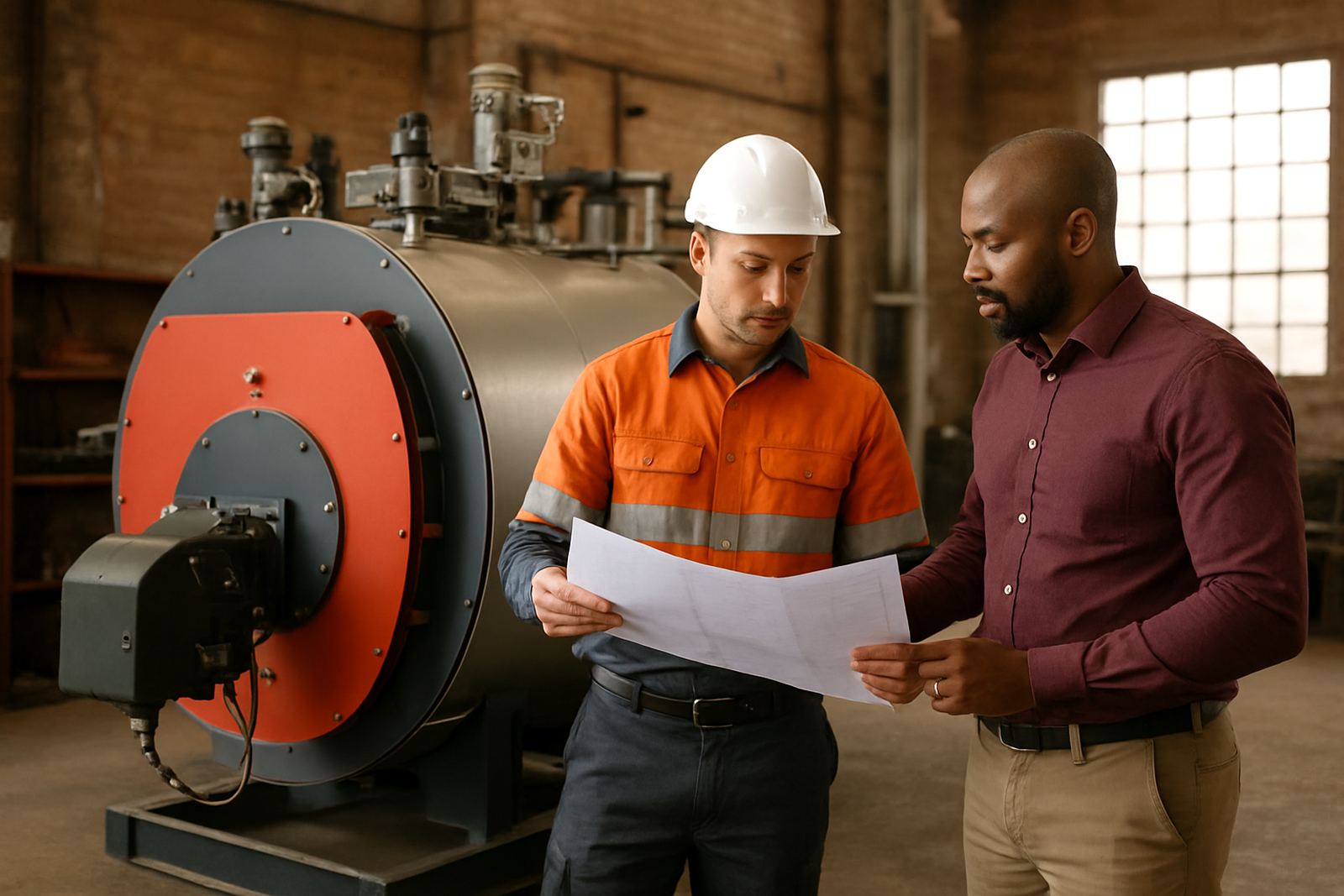
Different boiler types suit different duties. A compact package boiler can suit smaller commercial loads, while larger industrial sites may need higher output, better controls and space for future expansion. For some facilities, a calorifier or inline heater is a better fit than adding full steam capacity. That depends on whether you need stored hot water, instantaneous heating, or process steam at pressure.
- Steam demand with variable peaks: consider a boiler with good turndown and fast response.
- Hot water only: check whether an inline heater or calorifier gives better efficiency.
- Heavy process use: plan for access, blowdown, feedwater treatment and safe isolation points.
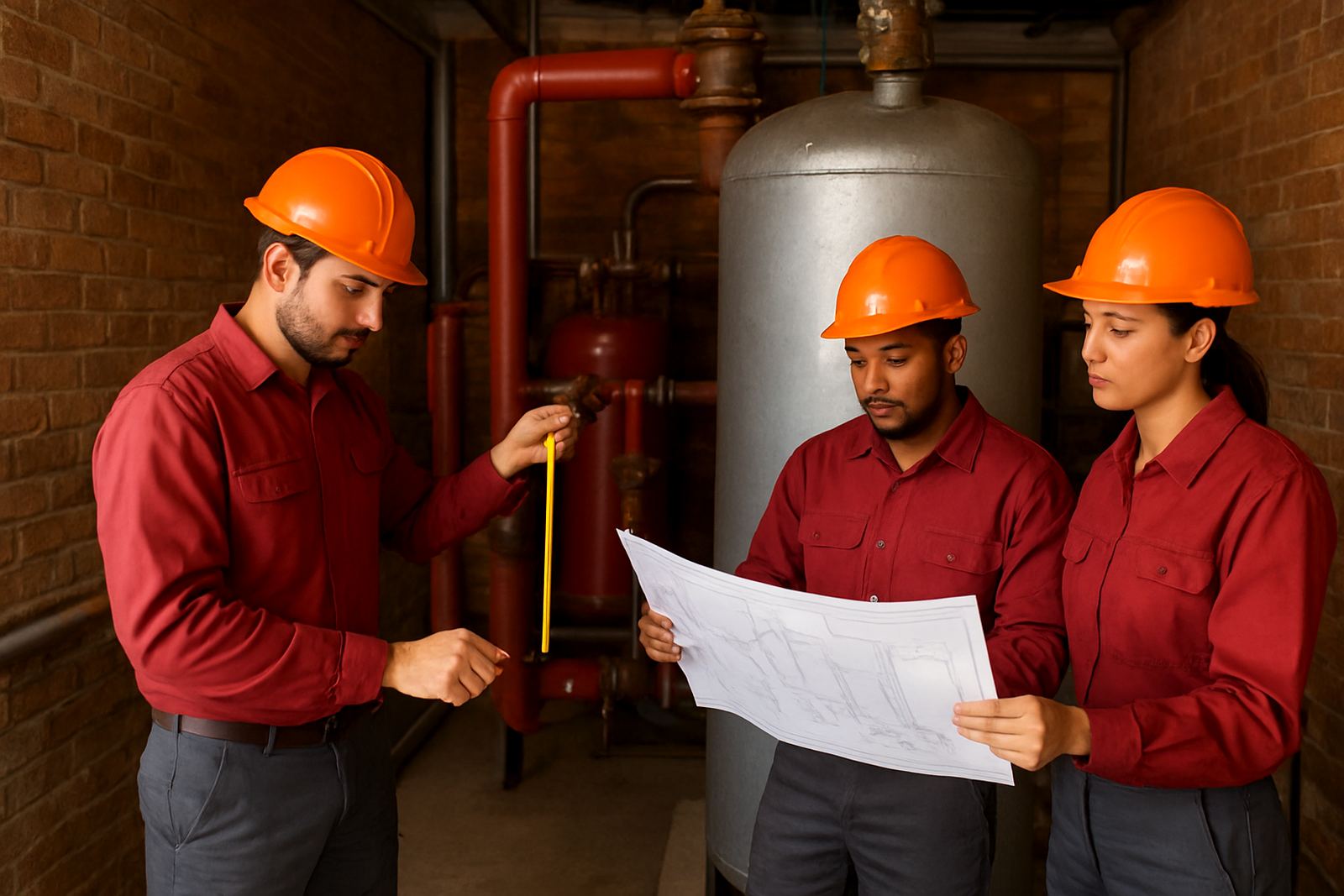
- Restricted plant room: measure doorways, head height, floor loading and service clearances first.
At coastal sites, corrosion control becomes more important because humid air and salt carryover can shorten component life. Inland plants face a different challenge, namely scale build-up from hard water and poor treatment. The boiler type should suit the water as much as the output.
Check Output, Pressure And Recovery Time
Boiler output is usually expressed in kW, kg/h or kg/h equivalent steam production. Do not compare one figure in isolation. Ask how fast the unit recovers after a large draw-off, what pressure it holds during start-up, and whether it can cope if more than one user starts at once. A laundry, food plant, hospital, or factory with batch processes can place very different demands on the same unit.
Recovery time matters when the site runs under pressure and cannot wait for slow warm-up. If the boiler must support cleaning cycles, shift changes or a morning start-up rush, it needs enough spare capacity to hold the line. That spare capacity should not be excessive though, because oversized plant often burns more fuel and short-cycles under light load.
Utilities, Fuel And Load-Shedding Planning
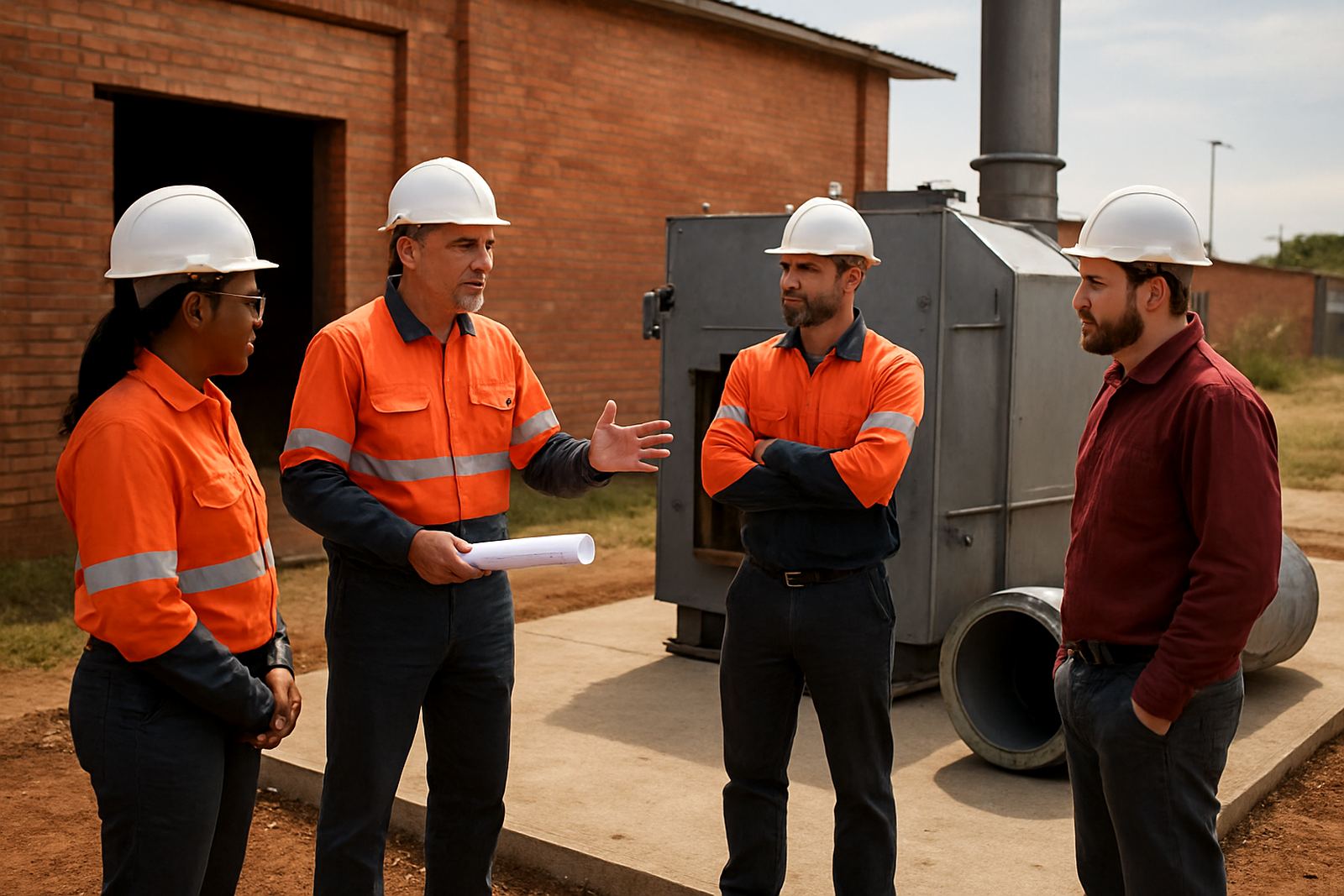
Every boiler depends on the right utilities. Check electricity supply, gas pressure, diesel storage, water make-up, drain points and flue route before you sign off the purchase. In South Africa, load-shedding can expose weak control systems, unreliable pumps and poor restart procedures. A site that cannot restart cleanly after an outage will lose production and may damage components.
- Confirm fuel availability and daily consumption at full load.
- Check whether the site has stable power for fans, pumps and controls.
- Allow for water treatment, softening or dosing equipment.
- Plan for safe exhaust routing and compliance with municipal requirements.
- Provide space for maintenance access, not just installation.
Where steam is critical, ask how the plant behaves after a power failure. Does it recover without manual intervention? Are the safety valves, burners and feed systems easy to inspect? A practical design reduces callouts and keeps the plant within safe operating limits.
Water Quality And Maintenance Access Matter More Than Most Buyers Expect
Boiler life is heavily influenced by water quality. Poor feedwater leads to scale, corrosion and carryover. That can damage tubes, strain valves and lower efficiency. Even a good boiler will struggle if blowdown, testing and treatment are neglected. For sites in Gauteng with hard municipal water or borehole supply, water treatment support should be part of the buying decision, not an afterthought.
When comparing options, look at service panels, tube access, refractory access and the ease of inspection. If the plant is difficult to clean or service, maintenance becomes slower and more expensive. That usually means longer stoppages and more emergency work. A sensible layout makes annual inspections, combustion tuning and routine servicing far easier.
Use A Simple Pre-Purchase Checklist
Before ordering a boiler, go through a site checklist with operations, maintenance and the installer. This helps avoid costly changes after delivery and keeps the project on schedule.
- What is the peak and average load in kg/h, kW or litres per hour?
- Is the duty steam, hot water, or a mix of both?
- What fuel is available on site, and at what pressure or storage volume?
- Is there enough space for installation, maintenance and safe exit routes?
- What water treatment is needed for this supply?
- How will the plant handle load-shedding, start-up and shutdown?
- Are annual inspections, combustion tuning and emergency callouts planned?
Once these answers are clear, the choice becomes much easier. The right boiler is the one that suits the load, the utilities and the site team that has to run it every day.