Production Boiler Site in Springs
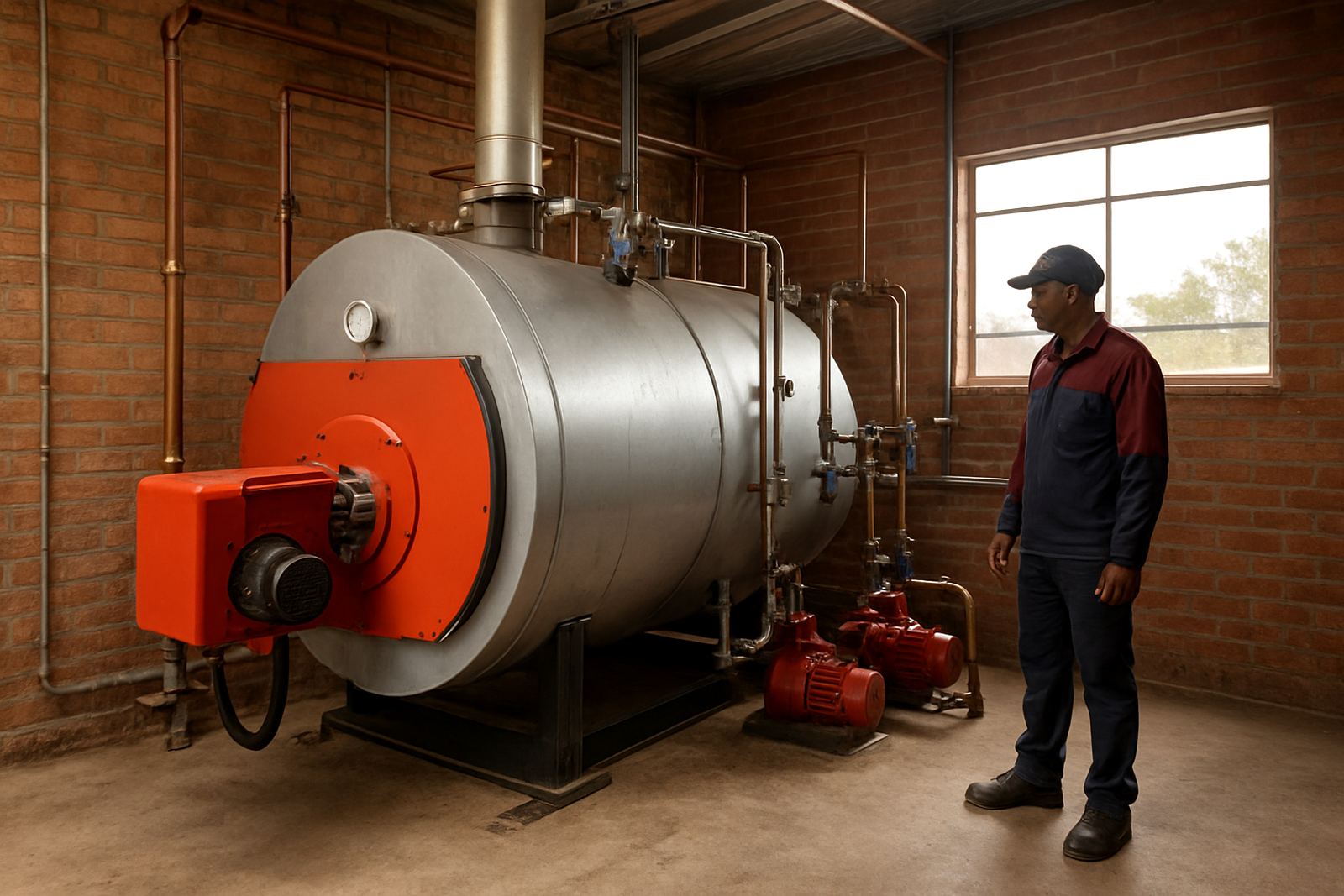
The client was a mid-sized manufacturing plant in Springs running a steam boiler hard through the week, with peak demand on mornings and during changeovers. Their team had been seeing higher fuel use for the same output, and the stack temperatures were sitting higher than they should for a boiler of this size.
We were asked to look at heat recovery first, then decide whether an economiser would make sense for the duty cycle. The site needed a practical fix, not a major rebuild, because the boiler was still in regular use and the production schedule left only one planned shutdown window. The boiler room also had limited access, so all measurements had to be right the first time, not sort of right.
The brief was simple: reduce stack losses, use the available flue gas heat to preheat feedwater, and keep the plant within safe operating temperatures and pressure limits. The client also wanted a setup that would be straightforward for their operators to inspect during normal rounds.
What Held the Job Back
The main constraint was downtime. The boiler supported an ongoing process, so we had to complete the fitment in stages and keep the outage short. The second issue was layout. The flue run had bends, a modest service corridor and very little spare height, which meant the economiser had to be sized to fit the route rather than forcing the route to suit the unit.
There was also the usual problem on older plant: mixed pipe work, a few past modifications, and not every drawing still matched what was on the floor. We verified the stack, the feedwater line, the available foundation points and the drain arrangement before fabrication started. In winter, Springs can be cold early in the morning but the boiler room still gets warm fast, so we had to allow for expansion and easy maintenance access from the start.
- Short shutdown window, just over one week
- Limited headroom and tight flue routing
- Existing boiler kept in service until the changeover
- Need for manual cleaning access and inspection points
What We Supplied and Fitted
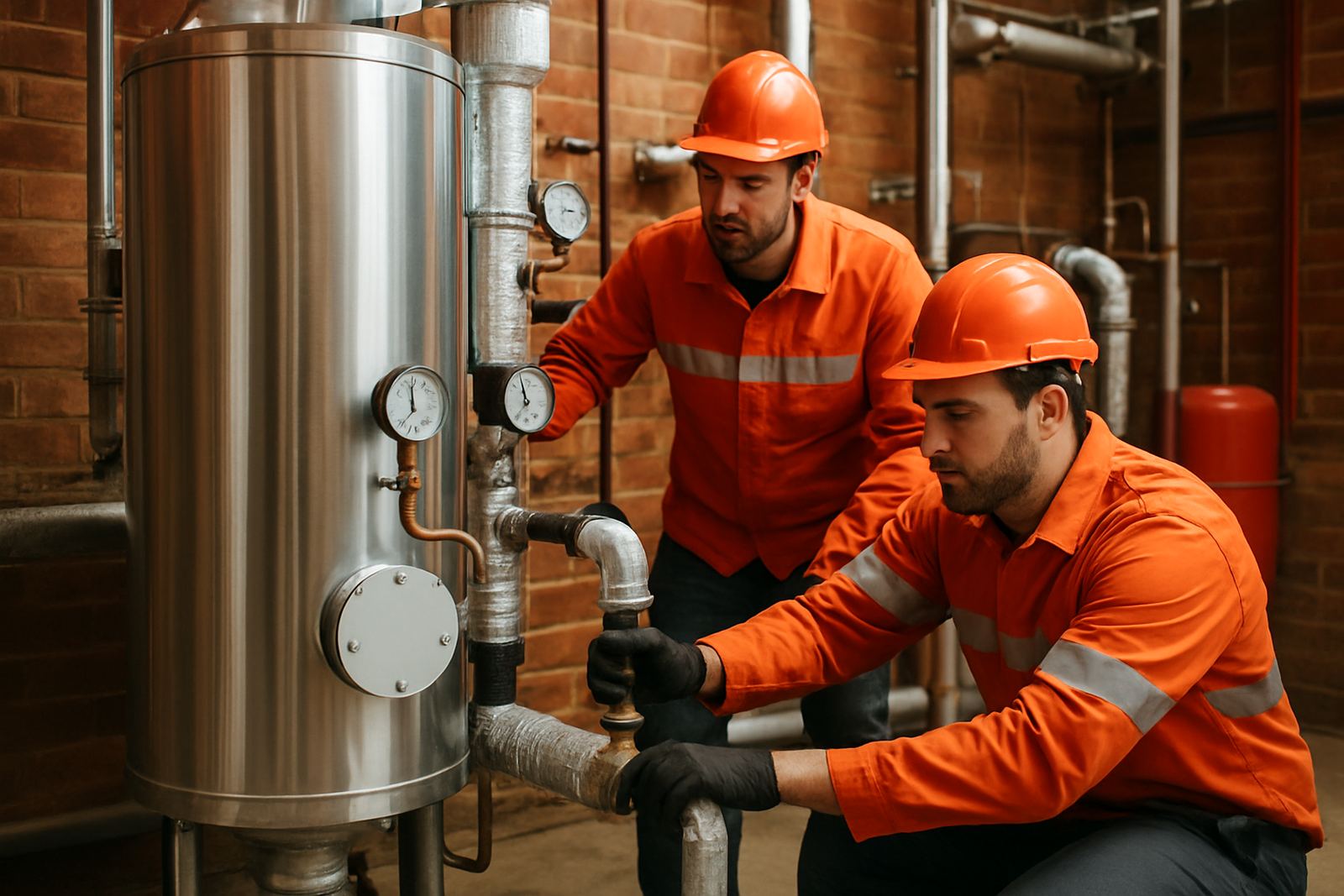
We supplied a compact gas to water economiser sized for the boiler’s firing rate and typical flue gas conditions. The unit was built with removable access panels, soot cleaning points and flanged connections to suit a maintenance-friendly installation. The feedwater side was arranged to preheat incoming water before it entered the boiler, which helps reduce the temperature lift the burner must provide.
The package included fabricated supports, interconnecting pipe work, isolation valves, drains, temperature points and the tie-in work needed to integrate the unit into the existing boiler circuit. We also supplied new insulation to the exposed sections and set up the arrangement so the service team can inspect the economiser without stripping half the line out first.
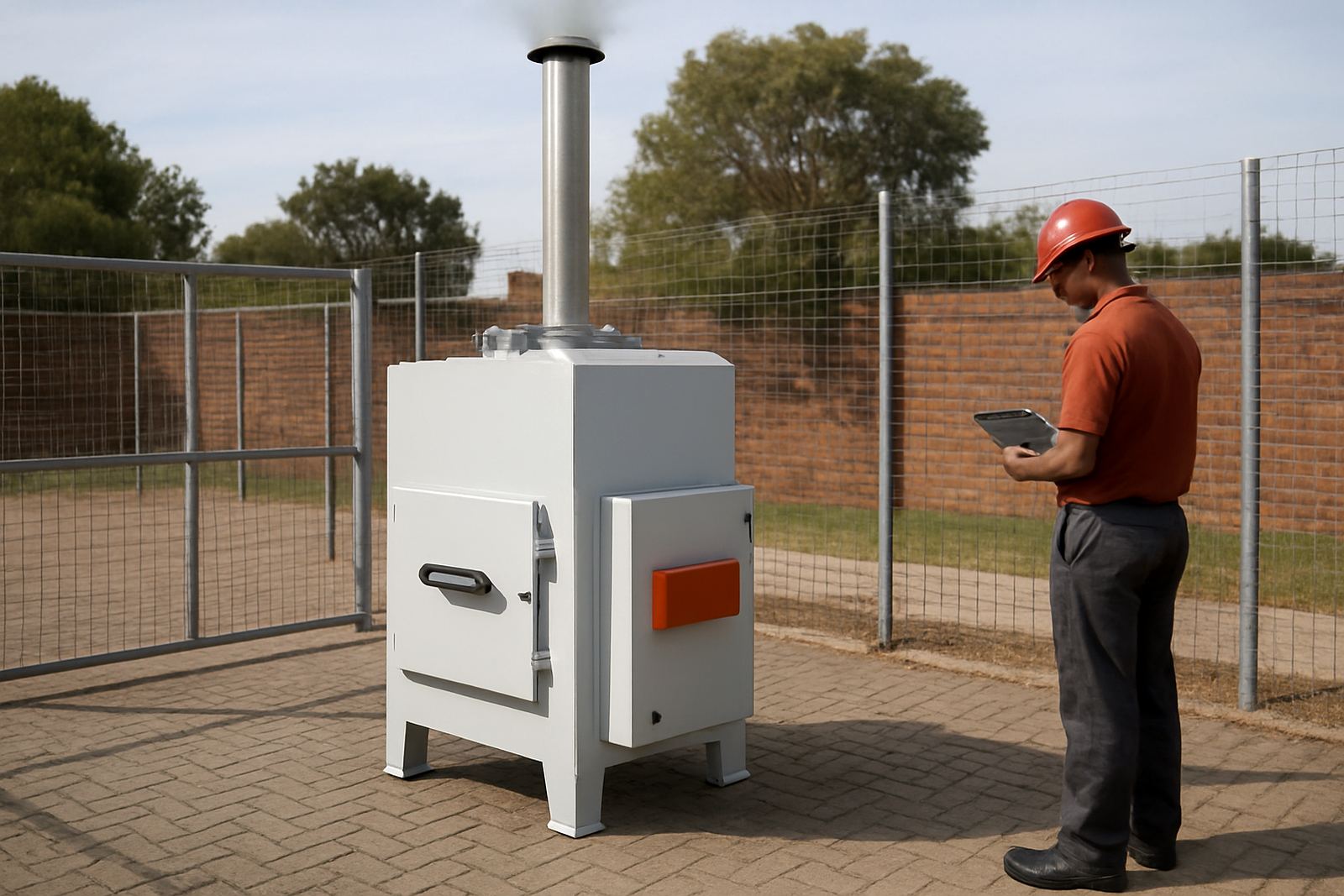
Key installation points included the flue gas inlet and outlet connections, the feedwater bypass arrangement and the condensate drain path. We checked that the boiler controls still had clear indication after the fitment and that the plant could be returned to production with no special startup sequence beyond the normal operating procedure.
- Economiser matched to the boiler duty and flue volume
- Feedwater preheat arrangement fitted in line
- Flanged joints used for future maintenance access
- Insulation and labelling completed after commissioning
Installation Timeline and Commissioning
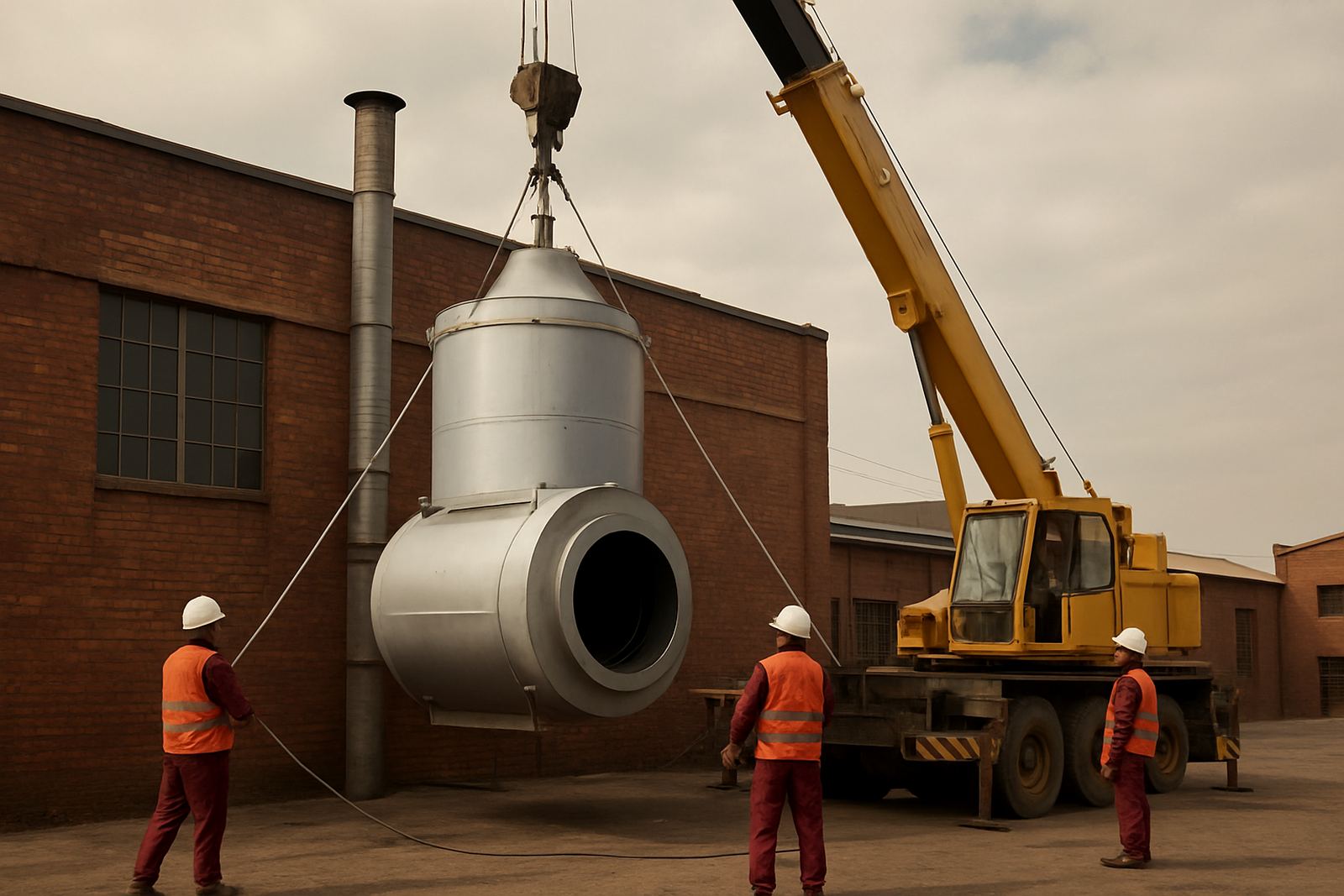
The work ran over three weeks from site measure-up to final handover. Week one covered measurements, drawings and ordering. Week two covered fabrication, assembly and pressure checks at our workshop. Week three covered shutdown, removal of the tie-in section, on-site fitment and commissioning. That sequence kept the plant downtime within the agreed window and avoided last-minute rework.
During commissioning we checked flue gas temperatures, feedwater outlet temperature, pump flow, valve operation and visible signs of leakage. Once the boiler was brought back under load, we monitored the system through a full production cycle and made a few small adjustments to get the bypass balance where it needed to be. The boiler came back into service cleanly, and the operator handover covered normal checks, drain points and cleaning intervals.
We also confirmed the first service access route so future maintenance would not turn into a half-day fight with panels and pipe work. That is usually where projects like this succeed or fail in the long run.
Measured Result on the Plant
Once the economiser was in operation, the boiler stack temperature dropped and the feedwater temperature lifted before the burner had to do the work. That reduced stack losses and improved overall boiler efficiency on a plant that runs for long hours, not just occasionally.
The client reported steadier steam response during demand changes and less fuel being burned to maintain the same production output. On a site like this, that matters because the gains show up every shift, not only on paper. It also reduced thermal stress on the boiler, which should help with long-term wear on the firing side and tube surfaces.
- Lower stack losses after heat recovery was added
- Improved feedwater inlet temperature
- Better fuel economy across daily production runs
- More stable boiler operation during load changes
What We Would Do Again
We would approach the next job the same way: measure the actual plant first, confirm the shutdown window, and size the economiser to the site instead of forcing a standard unit onto an awkward layout. On older boilers, a good fitment is usually won in the planning stage, not when the welding starts.
We would also keep the maintenance points simple. In Gauteng plants that run through load-shedding backups and long shifts, anything that saves time on inspection and cleaning is worth doing properly. For a site with a steady boiler load, an economiser is one of the cleaner ways to recover usable heat without complicating the plant too much. The trick is getting the bypass, drain and access details right so the operators can live with it day to day.
Ai-TEC continues to support commercial and industrial boiler plant across Gauteng and nationally, with service teams available for boiler servicing, combustion tuning, annual inspections and plant refurbishment when the job needs more than a quick repair.
Key facts
| Project location | Springs, Gauteng |
|---|---|
| Plant type | Long-running production boiler |
| Scope | Economiser fitment and tie-in to existing feedwater line |
| Timeline | 3 weeks from survey to commissioning |
| Main outcome | Reduced stack losses and improved heat recovery |
| Service coverage | Gauteng with national support teams |