Hotel hot water that had to cope with peak demand
The project was for a full-service hotel in Sandton, Gauteng, where hot water demand rises sharply in the early morning and again late afternoon when conference guests, cleaners and kitchen staff all draw from the same plant. The existing boiler setup was working, but fuel use had climbed and the hot water temperature was not holding steady from one peak period to the next.
The brief was straightforward: cut waste, improve temperature consistency and keep disruption to guests to a minimum. The hotel could not afford long shutdowns, so the works had to be planned in sections and done around occupancy, laundry cycles and kitchen operations. That meant careful scheduling, clear isolation steps and a firm hand on commissioning.
Constraints on site and what they meant in practice
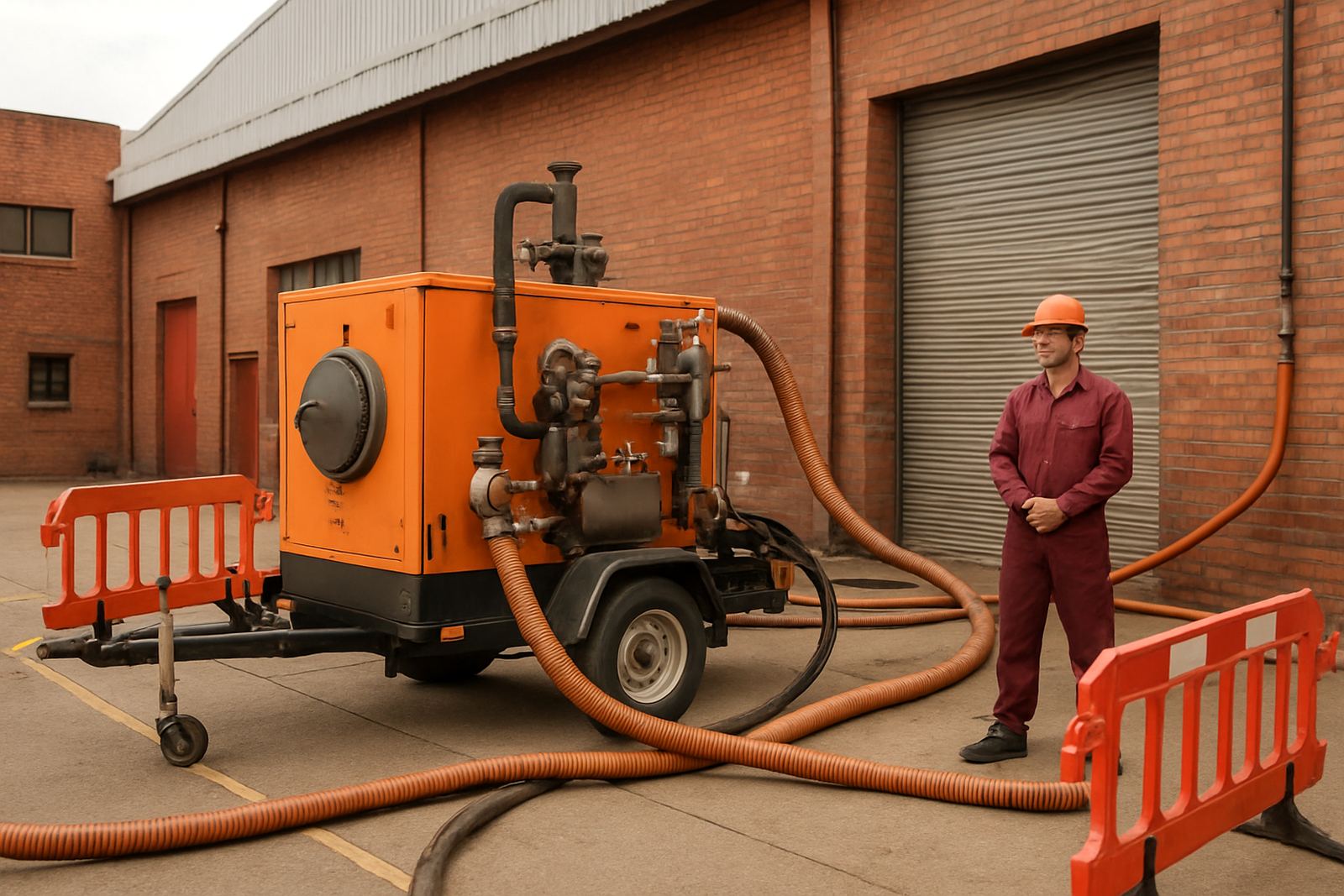
Sandton hotel plant rooms are often tight on space, with little room for lifting gear, pipe alterations or temporary routing. In this case the boiler area had limited access for maintenance, older controls that were no longer giving reliable feedback, and a site team that needed the system handed back cleanly after each work stage. We also had to work around load-shedding conditions and make sure the controls would recover properly after a power interruption.
Humidity from summer weather, along with constant use, had started to show on fittings, electrical terminations and insulation. We checked what could be retained, what needed to be replaced and where the plant would benefit from better separation between heat production, circulation and control. The answer was not a full rip-out, but a targeted retrofit with practical upgrades that could pay back quickly.
- Limited plant room access and tight working clearances
- Live hotel operations with no room for extended outage
- Power interruptions and restart stability after load-shedding
- Ageing controls and inconsistent hot water delivery
What Ai-TEC supplied and installed
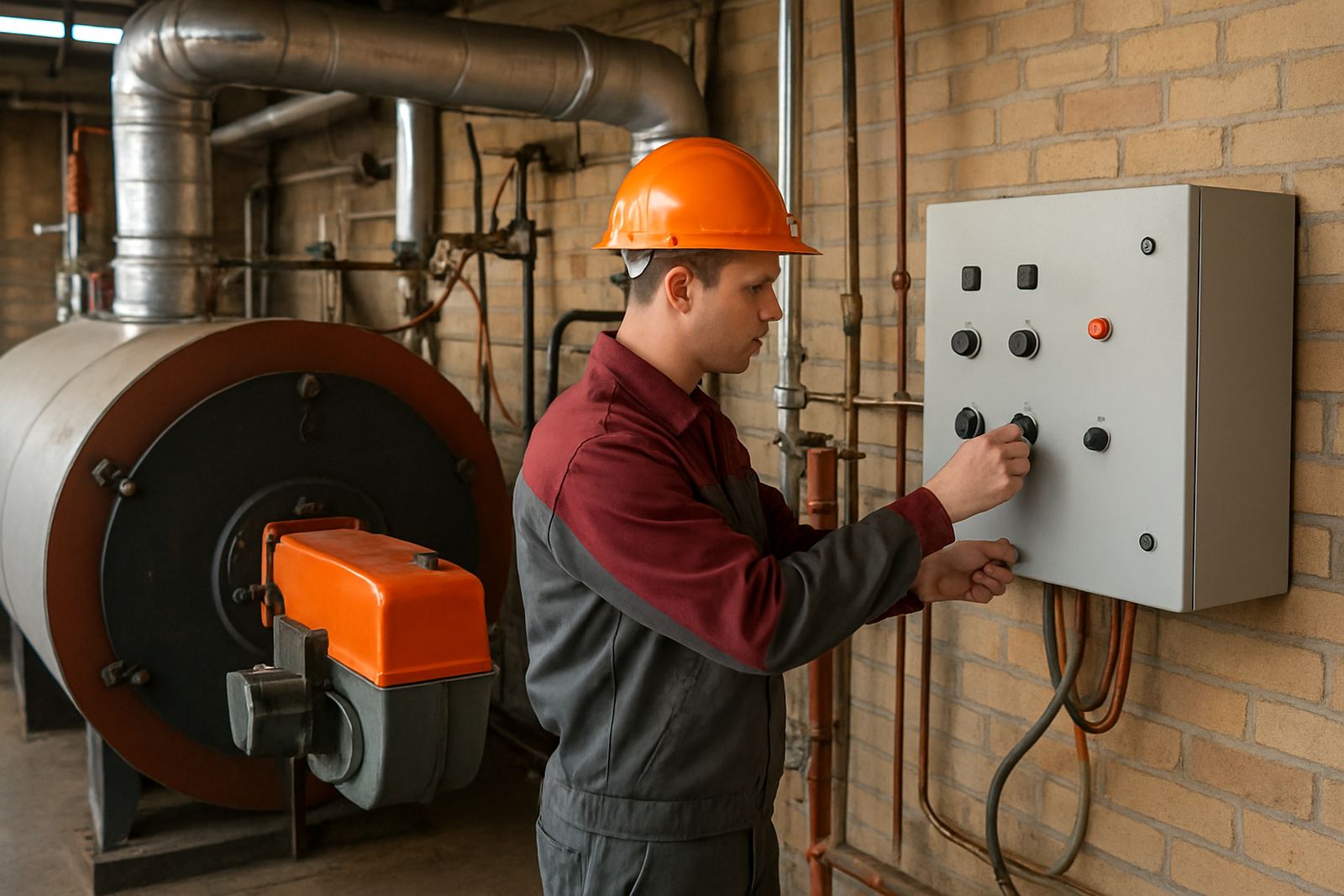
Ai-TEC supplied a retrofit package that included boiler controls upgrades, burner combustion tuning, improved instrumentation and corrective maintenance on the hot water plant. Pieter van der Merwe handled the project engineering, while Musa Khumalo led the boiler side of the works on site. The controls package was set up to give the hotel clearer temperature control, safer start-up logic and better fault visibility for the maintenance team.
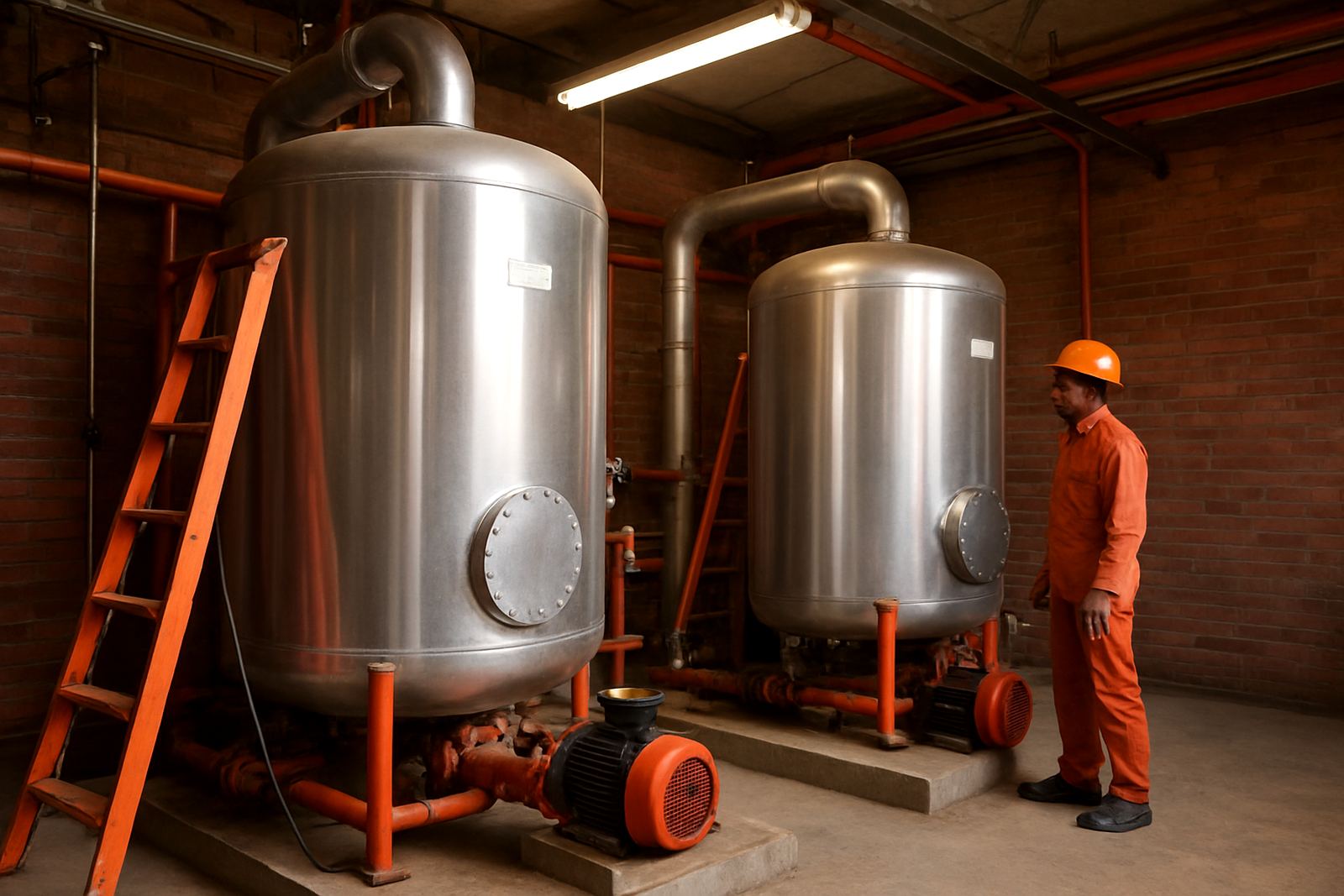
We also carried out insulation repairs, checked circulation components, cleaned heat transfer surfaces where needed and reworked sections that were causing pressure drop or maintenance access issues. Ayesha Patel handled the commercial coordination, Zanele Dlamini kept the service windows aligned with the hotel’s operating schedule, and Johan Smit supported fabrication work where pipe supports and brackets had to be altered.
- Boiler control panel upgrade with clearer status and fault indication
- Burner service and combustion tuning for better fuel use
- Temperature sensor replacement and calibration checks
- Pipework corrections, supports and insulation repairs
- Commissioning and operational handover with the hotel team
Retrofit timeline and staged shutdowns
The retrofit ran over three weeks from first inspection to final handover. Week one covered site assessment, measurements, isolation planning and parts procurement. Week two was the main installation window, done in short, planned shutdowns so the hotel could keep operating. Week three was for testing, combustion adjustment, temperature stability checks and user handover.
That staged approach mattered. Instead of forcing a long outage, we worked in controlled blocks and kept the plant available as much as possible. The hotel’s operations team knew the plan for each day, which rooms and services could be affected, and when the system would be back online. It kept everybody on the same page and reduced the usual last-minute pressure that comes with hotel maintenance.
Measured results after commissioning
Once the retrofit was complete, the difference was visible in both fuel use and guest comfort. The boiler fired more cleanly, temperature swings were reduced and the hot water supply held steadier through peak periods. The maintenance team also had better visibility of what the plant was doing, so minor issues could be caught before they turned into callouts.
The hotel reported less waste from over-heating and fewer complaints about water going too hot or dropping off during busy periods. It also became easier to reset the plant after power interruptions, which is important in Gauteng where load-shedding and short outages can still interrupt daily operations. The system now needs less guesswork, and that saves time as well as diesel or gas.
- Lower fuel waste through tuned combustion and better control logic
- More even hot water delivery during morning and evening peaks
- Improved restart performance after power interruptions
- Cleaner fault reporting for faster maintenance response
What we would do again on a similar hotel plant
For a hotel in Sandton, or anywhere with heavy guest turnover and high hot water demand, we would take the same staged approach again. First, we would assess the plant under real operating conditions, not just on paper. Then we would confirm what can be retained, what should be refurbished and where controls are causing waste. That avoids unnecessary replacement and keeps the spend tied to actual performance gains.
We would also keep the handover practical. Hotel engineering teams need plant that is easy to read, easy to reset and simple to service between full inspections. A good retrofit should reduce callouts, not create new ones. If the boiler house can be checked quickly, combustion can be verified properly and controls can be trusted after a power cut, the whole building runs better.
Ai-TEC continues to support commercial and industrial hot water plant from our Jet Park, Boksburg base, with service teams available across Gauteng and nationally when needed. For hotel retrofits, boiler servicing, calorifier maintenance, inline heater repairs and emergency callouts, the aim is the same: keep the water hot, the plant efficient and the disruption low.
Key facts
| Client type | Full-service hotel |
|---|---|
| Town | Sandton, Gauteng |
| Project duration | 3 weeks |
| Scope | Boiler and controls retrofit for hot water plant |
| Key works | Combustion tuning, controls upgrade, pipework corrections, insulation repairs |
| Outcome | Reduced fuel waste and steadier guest hot water supply |