Food Plant Steam Upgrade in Alberton
The site was a food processing plant in Alberton serving chilled and packaged product lines, with regular washdowns after each shift and more intensive cleans over weekends. Their existing steam arrangement could meet normal production demand, but washdown points were slow to recover and the condensate return line was losing too much usable hot water and heat. That meant extra boiler firing, more chemical use and unnecessary water make-up.
The brief was straightforward: improve steam availability for washdown, clean up the condensate return losses and do the work without upsetting the plant schedule. We also had to keep access clear for hygiene inspections, avoid contamination risks and make sure the modified pipework could stand up to constant moisture, cleaning chemicals and South African summer heat. In Alberton, with frequent municipal water pressure changes and load-shedding on top of it all, the system needed to be dependable not clever for the sake of it.
What the Client Needed From the Steam Side
The site team wanted stronger steam delivery to the washdown headers, better control at the point of use and less waste in the return system. They also wanted the changes to be serviceable by their own maintenance staff after handover. We therefore kept the layout practical, with clear isolation points and fittings that could be reached without stripping half the plant apart.
- Increase washdown steam capacity for end-of-shift cleaning
- Reduce condensate return losses from leaking and poorly sloped pipework
- Keep pressure stable during high demand periods
- Allow maintenance isolation without stopping the full plant
- Use materials suited to constant washdown and humid conditions
The old arrangement had a few common problems we see often in older food plants around Gauteng: steam traps not doing their job, poor drain points, tired valves, and sections of pipe that had been patched more than once. None of it was dramatic on its own, but together it pushed up fuel use and made cleaning less predictable.
Scope of Work and Equipment Supplied
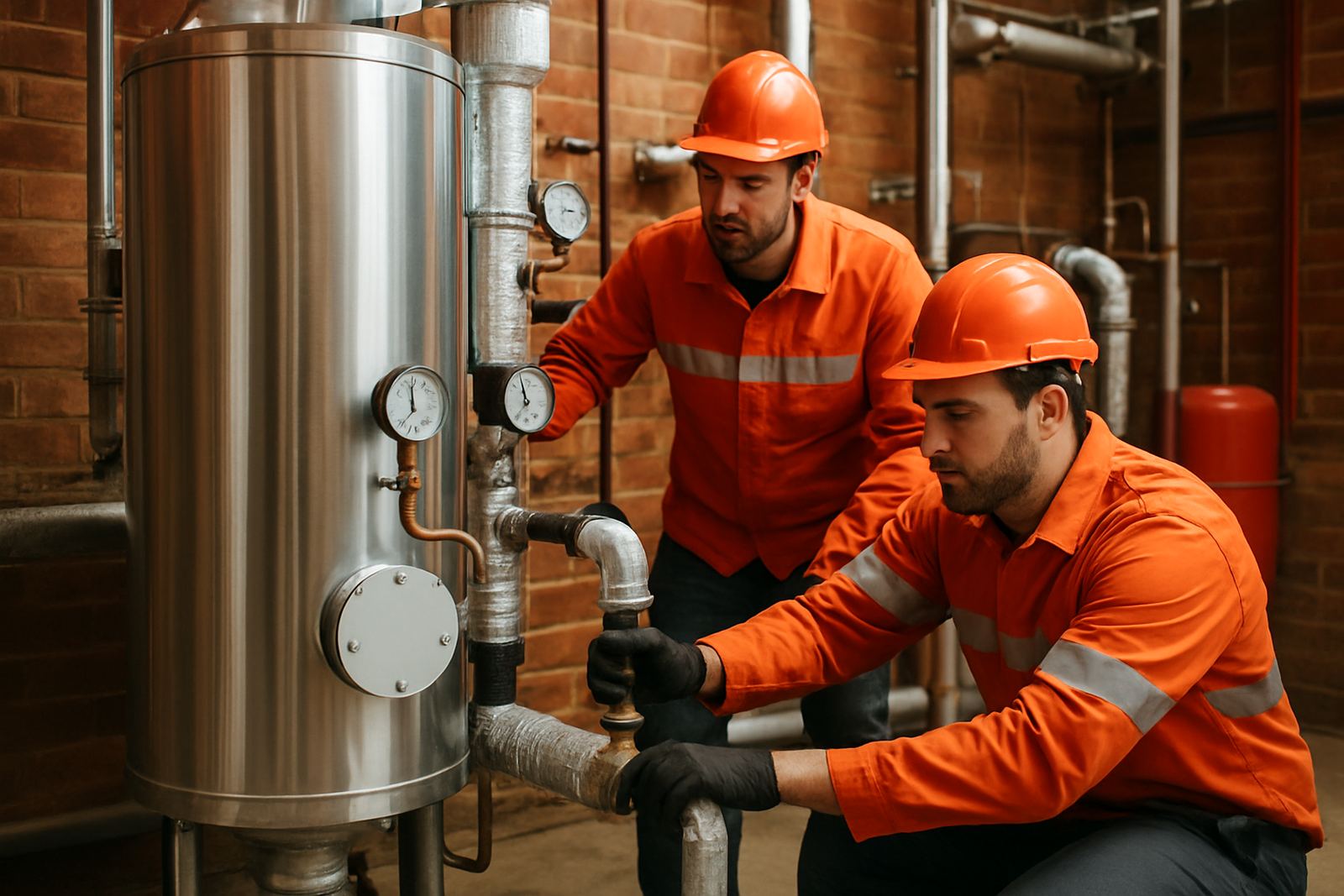
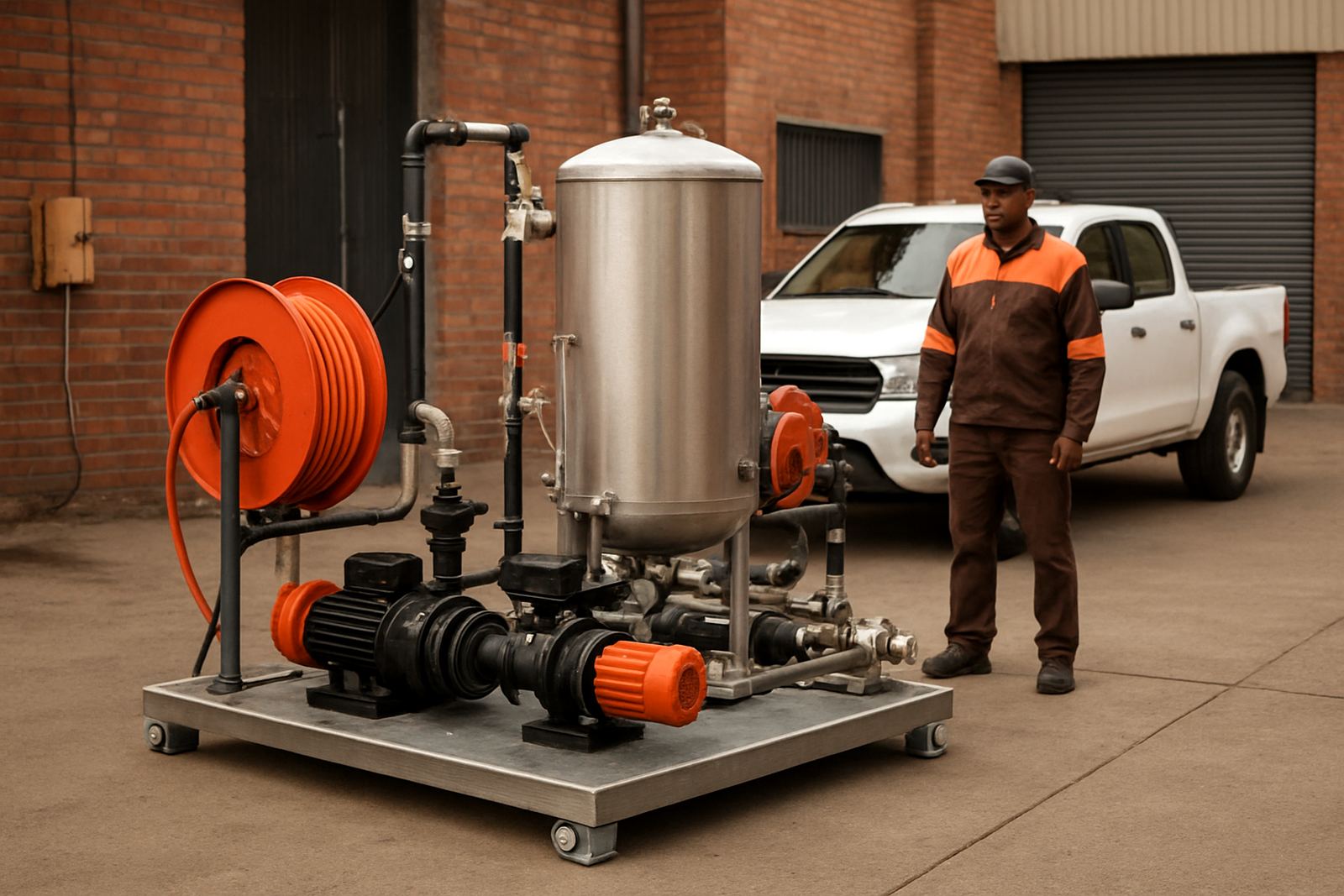
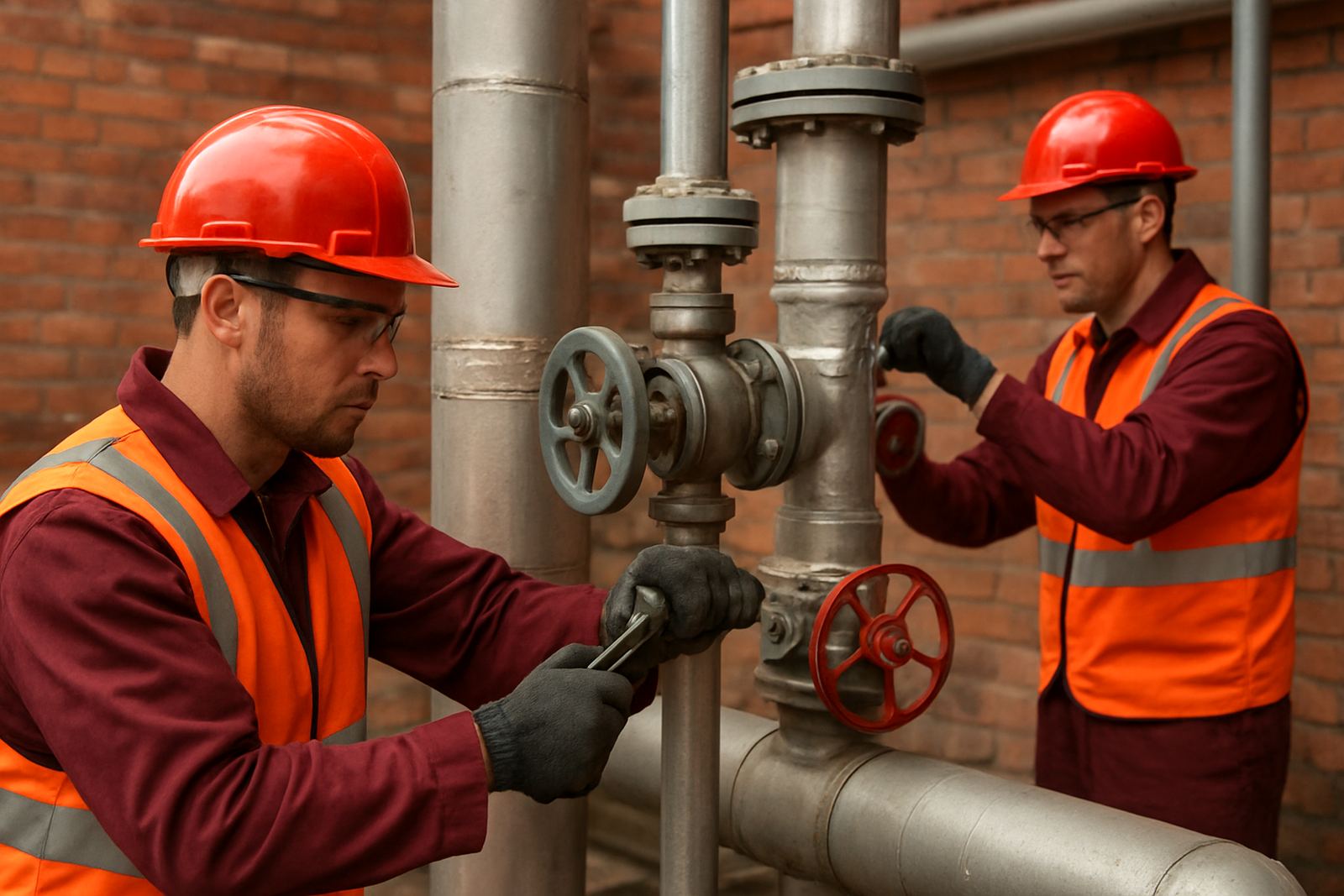
We supplied and installed modified steam distribution pipework, new isolation valves, strainers, condensate handling items and control fittings around the affected washdown areas. We also repaired sections of damaged insulation, reworked the condensate return route and added proper access for servicing. Where existing components were still sound, we kept them in place and brought them back into line with the new layout.
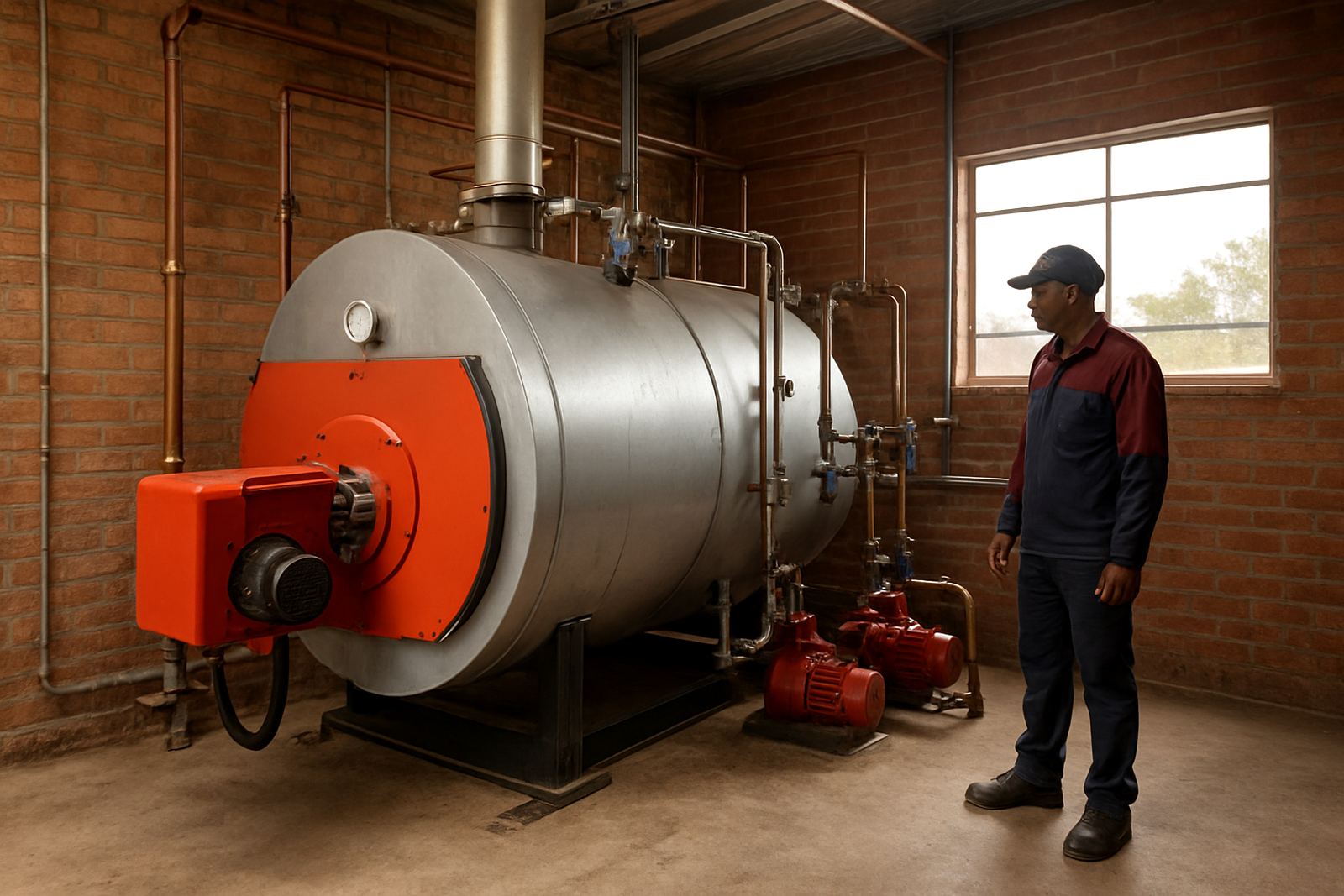
Our team carried out combustion tuning on the boiler side, checked the heat balance and verified that the plant could support the revised demand without short cycling. The condensate return losses were traced to a combination of faulty traps, poor pipe fall and a few low points where water was sitting in the line. Once that was corrected, the steam side settled down properly.
- Steam pipework modifications and re-routing at washdown points
- Condensate return repairs and trap replacement where needed
- Valve and strainer upgrades for easier isolation and servicing
- Insulation repairs on hot sections exposed to washdown spray
- Combustion tuning and operational checks after recommissioning
Constraints on a Live Production Site
The plant could not shut down for a full week, so the work had to be split into short planned outages and after-hours sections. That meant close coordination with production, maintenance and hygiene teams. We also had to work around wet floors, restricted access routes and the usual pressure that comes with a food site where cleaning windows are fixed and non-negotiable.
Because the site was in Alberton, we also planned for local contractor traffic, limited space near service yards and the chance of voltage dips during load-shedding changeovers. The team kept the work area contained, documented each stage and completed the tie-ins in sequence so production could restart with minimal disruption. A small note, but an important one: the line was not only about steam, it was about timing.
We finished the job in three weeks from inspection to final handover. The first week was for survey, fault tracing and material take-off. The second week covered fabrication and off-site prep. The third week was installation, testing and operator familiarisation.
Results After Commissioning
Once the modifications were in service, washdown steam recovered faster and the cleaning teams had better pressure consistency at the points they use most. The plant also saw a noticeable reduction in condensate losses, which cut down on unnecessary boiler make-up water and reduced the energy needed to reheat cold feed water. That showed up quickly on fuel use and on overall plant stability.
The client’s maintenance team reported that the system was easier to isolate and inspect, with fewer nuisance issues around wet returns and trapped condensate. Steam delivery became more predictable during busy cleaning periods and the boiler was no longer carrying the extra load caused by hidden losses in the return system.
- Faster steam recovery during washdown
- Lower condensate losses and less wasted heat
- Reduced make-up water demand
- Improved access for planned servicing
- Better control during peak cleaning periods
What We Would Repeat on Similar Jobs
We would approach a similar food plant in the same way again: survey the live system first, trace the actual steam and condensate behaviour, then make the changes in stages. That avoids guesswork and keeps the client’s cleaning schedule intact. In older plants, the quickest fix is not always the right fix. The better result usually comes from sorting the pipe fall, trap condition, valve placement and insulation together.
For food sites in Gauteng and beyond, we would again recommend a proper review of washdown demand before buying bigger plant. In many cases the issue is not that the boiler is too small. It is that too much energy is being lost before steam reaches the point of use. That was the case here, and once the system was corrected the site ran cleaner and more efficiently.
Key facts
| Project location | Alberton, Gauteng |
|---|---|
| Client type | Food processing plant |
| Timeline | 3 weeks from survey to handover |
| Main work | Steam plant modifications and condensate return repairs |
| Key outcome | Higher washdown capacity with reduced return losses |
| Service support | Gauteng-based teams with national callout cover |